The person sending Slack messages at midnight isn't your star player. They're your warning sign.
I've sat in enough leadership reviews to recognise the pattern. The person who replies fastest gets the gold star. The one who sends the 11pm email gets called "committed." The engineer who worked the weekend gets a shout-out in stand-up. Meanwhile, the person who closed their laptop at 6pm, had dinner with their family, slept eight hours, and arrived focused the next morning? Quietly marked as "not fully bought in."
We built a culture rewarding visibility, not value. And it costs us billions.

The Paradox Nobody Talks About
Here's something worth sitting with.
Research shows managers rate employees who properly disconnect 8% higher on productivity than those who stay constantly available. They acknowledge the output is better. The work is sharper. The ideas are fresher.
Then those same managers rate those same employees 12% lower on commitment and promotability.
So we know rest produces better work. And we still penalise people for resting.
This isn't a performance management system. It's performance theater rewarded with a badge and a shout-out. We're not measuring results. We're measuring the appearance of sacrifice.
The worst part? Everyone knows it. Senior leaders know it. HR knows it. The people staying late to be seen know it. And we all keep going, because stepping off the treadmill first feels like a career risk.
How Tech Made Availability a Virtue
In software specifically, this became doctrine somewhere between the dot-com era and the Slack era. The mythology of the founder sleeping under their desk. The engineer who pushed commits at 3am and saved the launch. The startup culture treating a 60-hour week as normal and 80 hours as heroic.
We absorbed all of it and made it the standard.
Remote work made it worse, not better. When you lose the commute as a natural off-switch, the lines between work and home blur completely. Microsoft research shows average workers now receive approximately 275 combined messages and emails every single day. Not weekly. Daily. This is not a communication culture. It's an anxiety machine with a productivity veneer.
Tech culture specifically added another layer: the always-on engineer became the identity people built careers around. Staying late to ship was proof of commitment. Replying to messages on holiday was proof of passion. Nobody stopped to ask whether the work was better. The metric was the sacrifice, not the output.
What "Always On" Costs
The numbers are not soft.
Burnout... and always-on culture is a primary driver... now costs organisations an estimated $322 billion annually in lost productivity. Not a wellbeing statistic. A business catastrophe dressed up in normal-looking quarterly reports.
82% of employees are at risk of burnout in 2025. In the same research, 58% cited excessive working hours as a primary cause. And 70% of employees who have work communications on their phones are 84% more likely to work after hours.
We designed this. We built apps to turn every employee's personal device into a work terminal, then acted surprised when people struggled to switch off. And for tech companies specifically, the talent market consequences are brutal. Gen Z peak burnout now hits at age 25... seventeen years earlier than previous generations. The people you're recruiting hardest are the ones burning out fastest.
INSEAD's research on always-on culture frames it as a prisoner's dilemma. Everyone knows the culture is harmful. Nobody wants to be the first to step off the treadmill. So the culture reinforces itself, and the costs pile up invisibly in turnover, healthcare spend, and lost creative output.

You're Measuring Presence, Not Performance
Let me be direct about what's happening in most teams.
When you praise the midnight Slack message, you're measuring presence. When you reward the person who "went above and beyond" by working the weekend, you're measuring hours. When response time becomes a proxy for engagement, you're not managing a team. You're running a surveillance culture and calling it leadership.
Digital presenteeism is what researchers call it. The remote-work equivalent of turning up sick to the office because you want to be seen. Visibly working, but not producing. Broadcasting availability, which gets confused with value.
I've seen this at senior levels too. Leaders who pride themselves on early morning emails. Executives who reply to messages on bank holidays to signal dedication. And then those same leaders scratching their heads at the exit interview data.
The pattern is clear once you name it: we're rewarding theater.
What Results-Focused Leadership Looks Like
This isn't about letting people disappear. It's about changing what you celebrate.
If someone ships a high-quality feature in six focused hours and then closes their laptop, this is better leadership modelling than someone who drags the same task across twelve distracted hours of context-switching and notification pings.
Results-focused teams measure what was delivered, not how many hours appeared on someone's calendar. They set clear outcomes. They leave the how and when to the individual. And they stop treating the person who logs off at 5:30pm as somehow less committed than the one sending emails from their child's football match on Saturday.
Kelly Swingler put it well: "Why do we praise people for checking emails at midnight? Let's reward results, not sacrificial behavior." This is not a soft HR sentiment. It's a business argument with a $322 billion number attached to it.
The Manager's Role
Here's the part most leadership content skips.
Giving people permission to log off doesn't fix this. You fix it by changing your own behavior first.
If you're sending messages at 11pm, your team feels the pressure to reply. The out-of-hours message from a manager does not feel optional to most people, even if you write "no need to reply until morning." The power imbalance is real, and it doesn't disappear because you added a friendly emoji.
INSEAD's research is clear: middle managers are the leverage point. What gets celebrated in a team comes from what the manager pays attention to. If you want your team to prioritise output over availability, model it, protect it, and call out the opposite when you see it rewarded.
Stop praising the midnight message. Treat it as a concern, not a virtue.
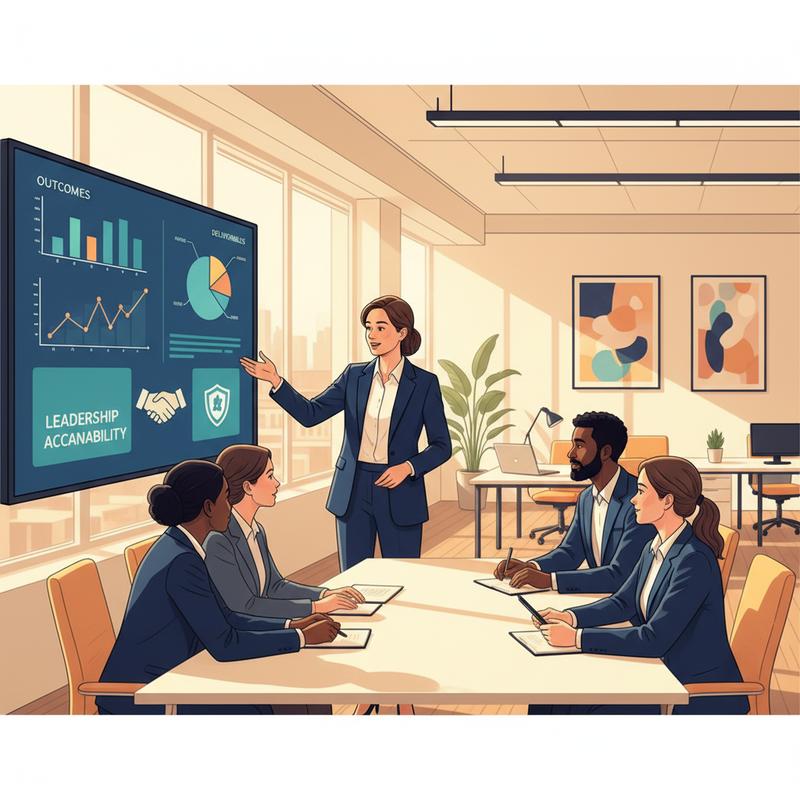
Three Things Worth Changing Now
Audit what you celebrate. Look at the last month of all-hands mentions, Slack shout-outs, and 1:1 feedback. How much of it was about availability and responsiveness versus outcomes delivered? If the ratio surprises you, you've found the problem.
Change your own patterns first. Use scheduled send. Stop replying to non-urgent messages outside working hours. Do this visibly, so your team sees it. Private changes have no impact on culture. The change needs to be observable to shift the norms.
Measure output, not inputs. Set clear deliverables with your team. Have performance conversations about what was produced, not whether someone was online at 7am or replied within three minutes. This isn't radical. It's what we tell ourselves we already do... until we look at what we reward.
The results tell the story. Everything else is theater.
What are you rewarding in your team right now?