My Career Looks Like a Plate of Spaghetti (And I Wouldn't Change a Thing)

Someone once asked me to describe my career path.

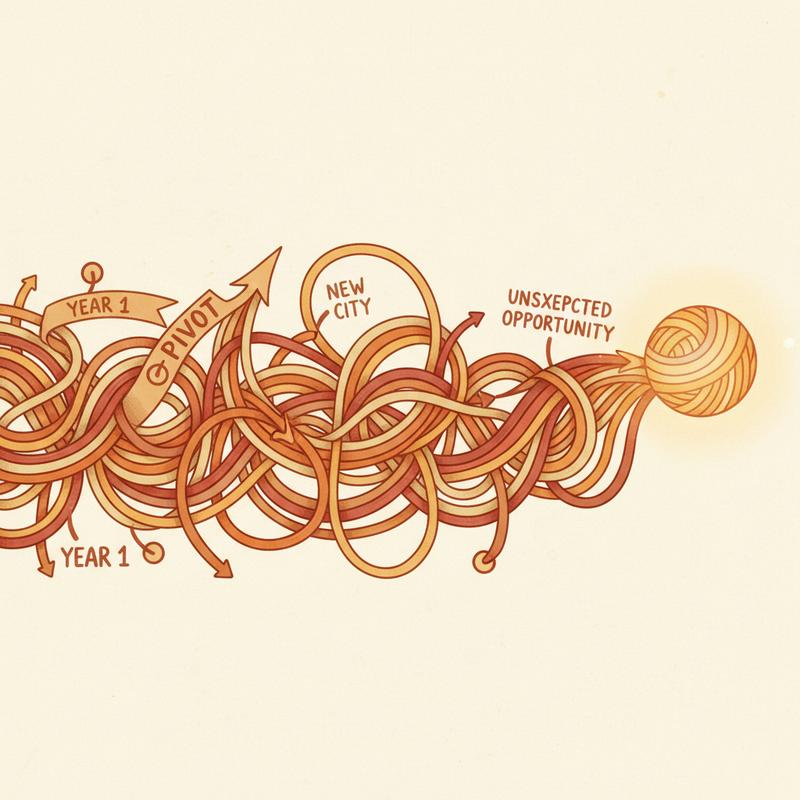
I said: "Picture a plate of spaghetti."

They laughed. I wasn't joking.

I went from the US Army to software research at Sun Laboratories. From building e-commerce platforms in the early 2000s to leading the Android team at one of Europe's biggest banks. From managing 43 engineers at a UK fintech company to keynoting at HR conferences in Iceland and Croatia. I wrote a book. I launched a podcast. I now run a company.

No 10-year plan came close to predicting it.

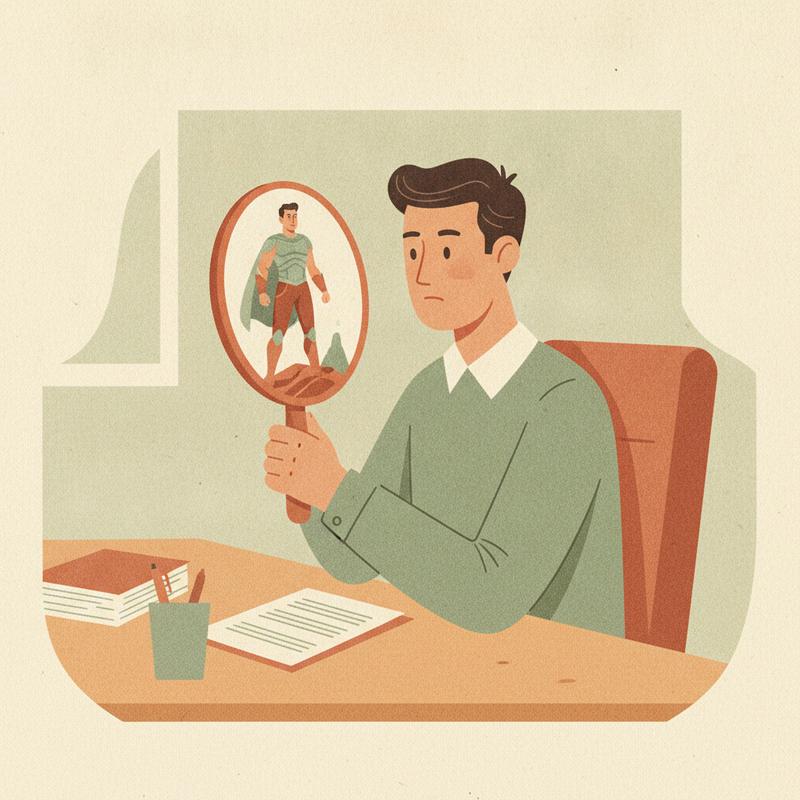
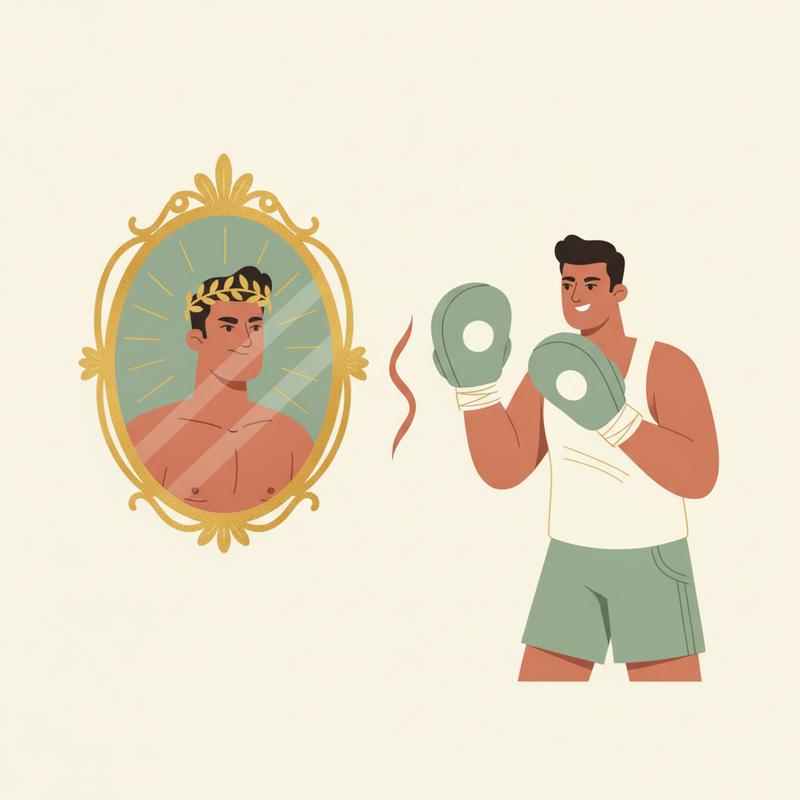
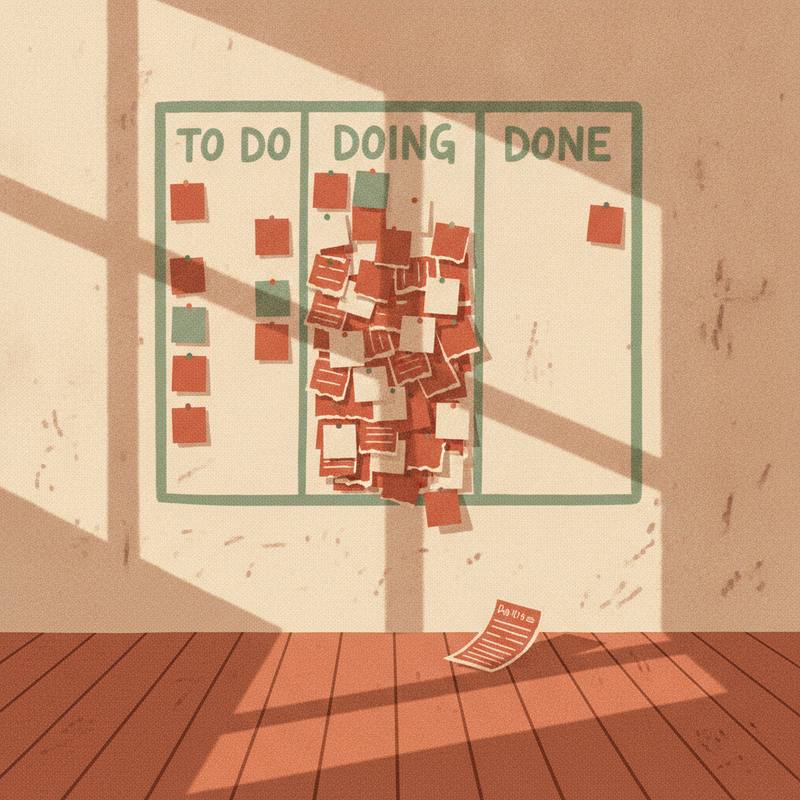
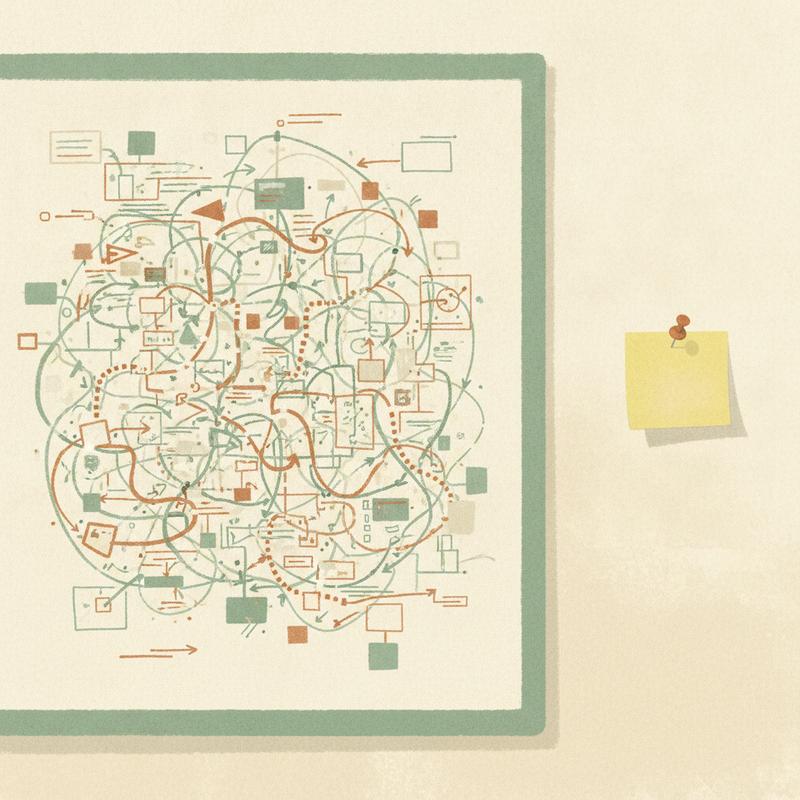
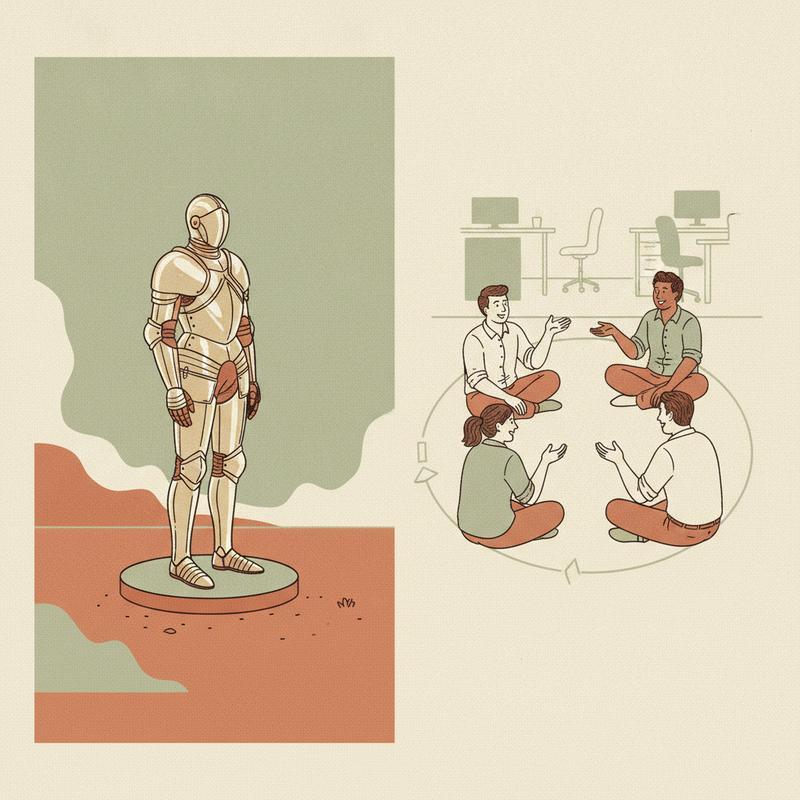
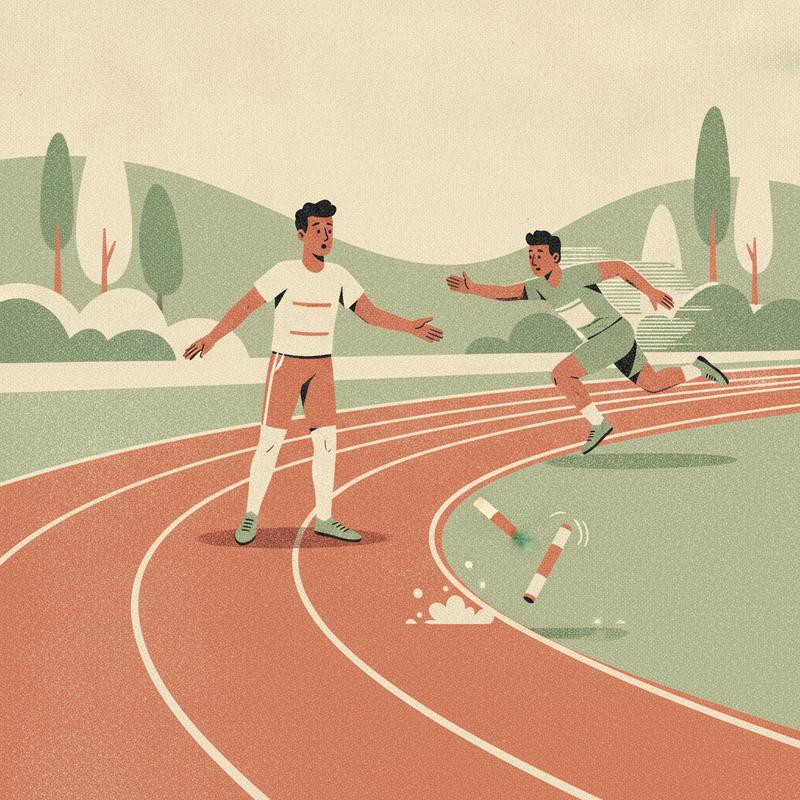
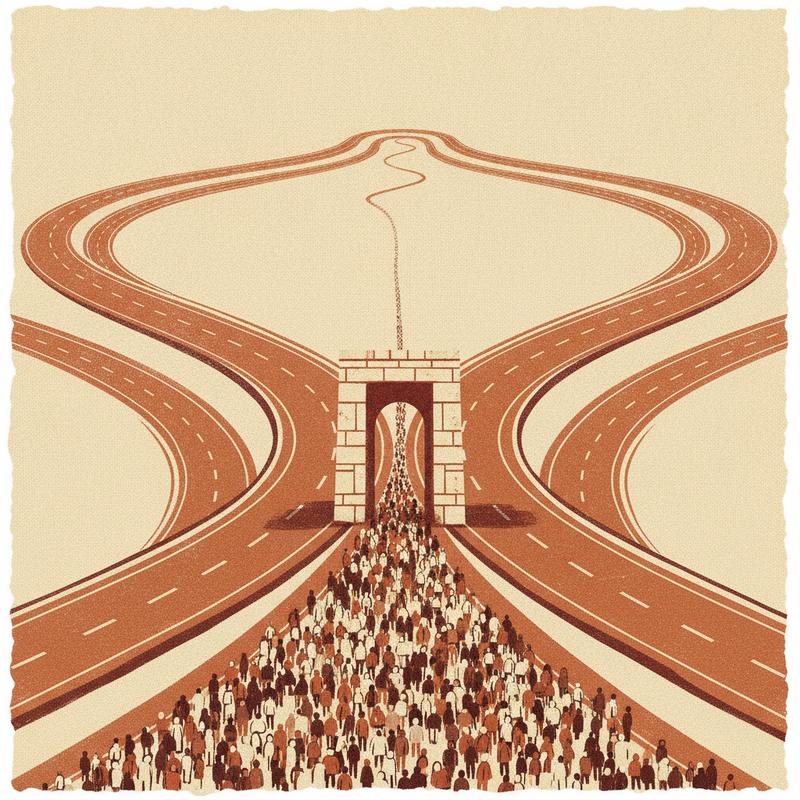
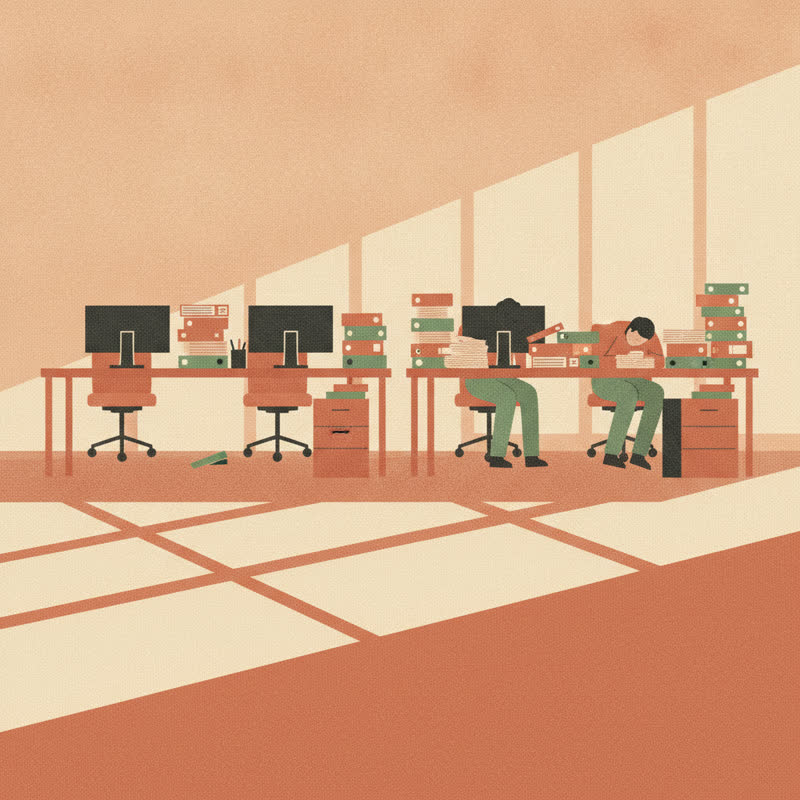
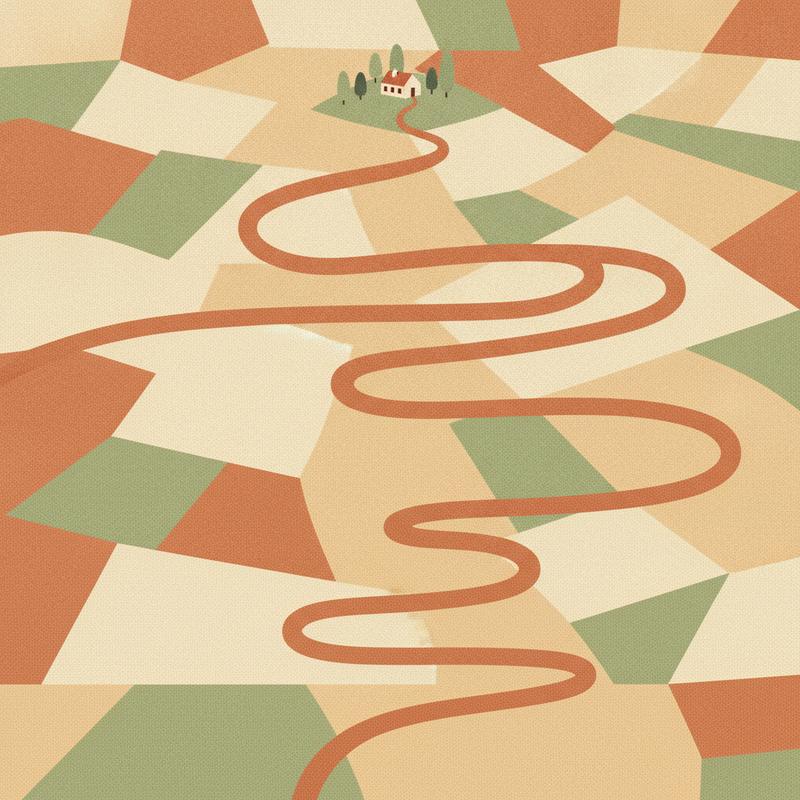
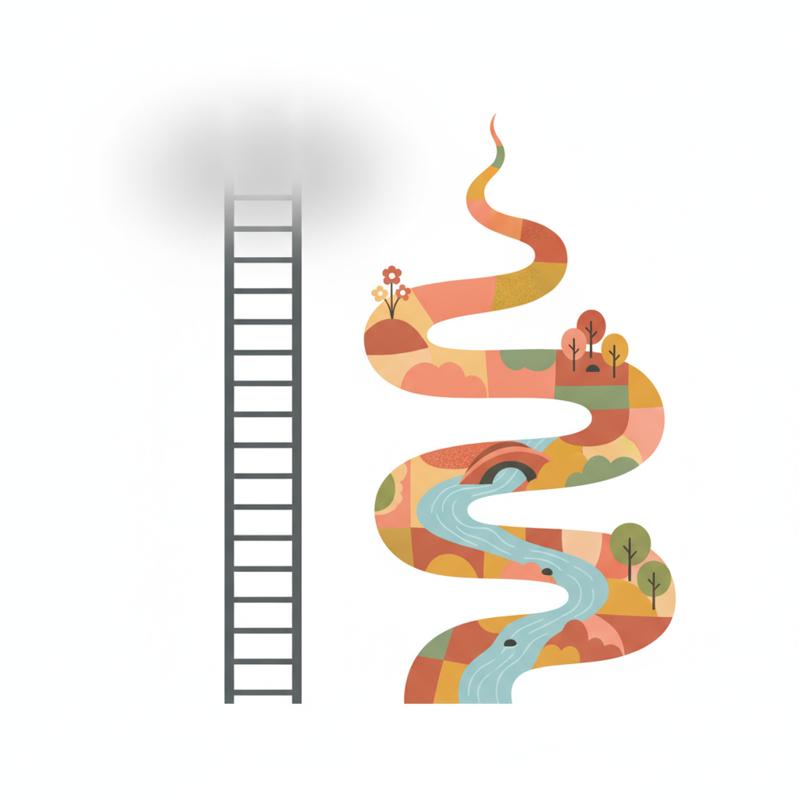
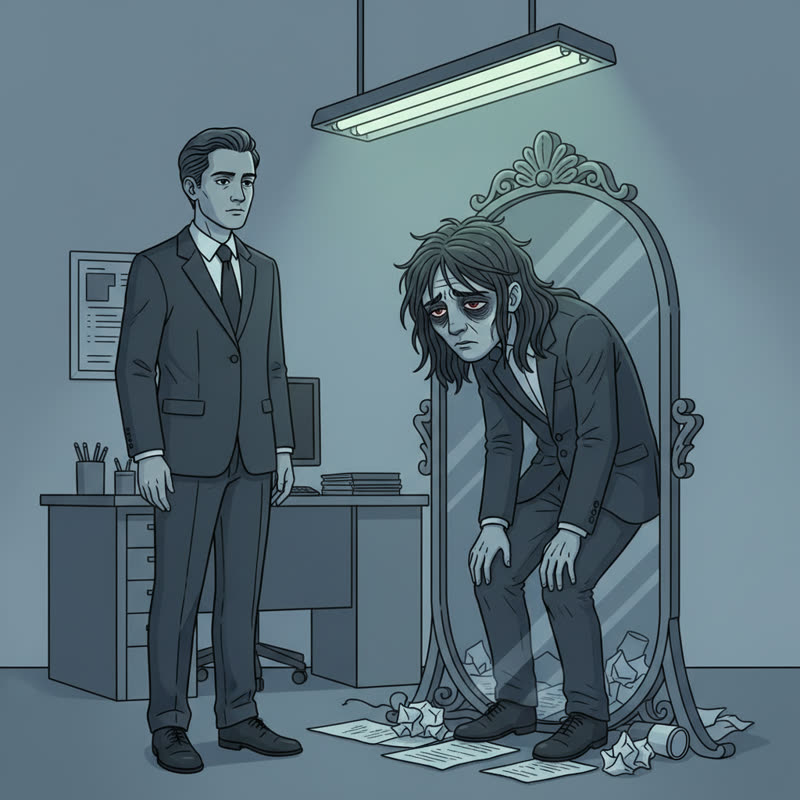
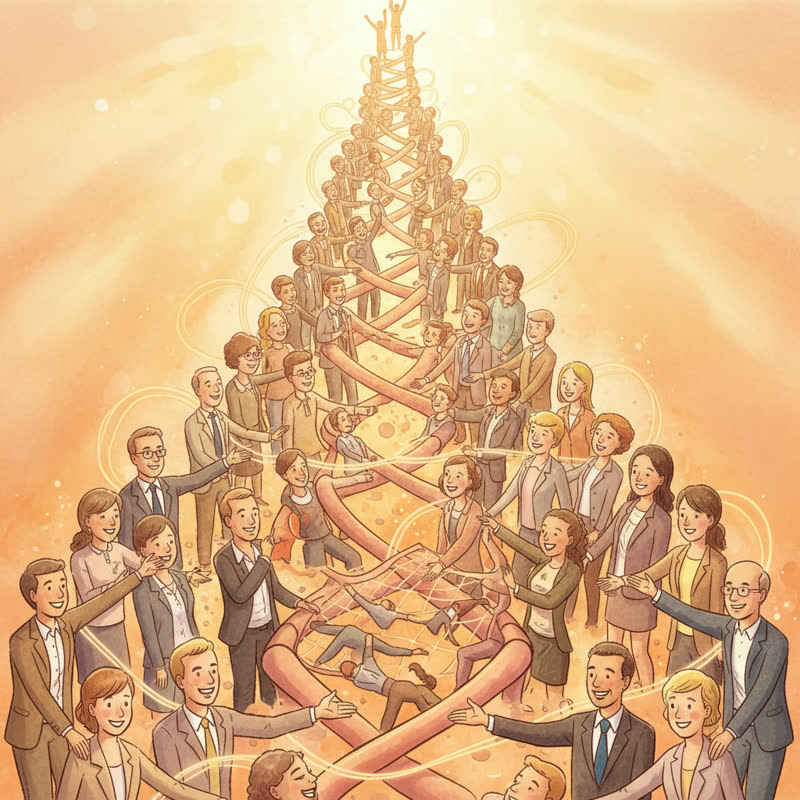
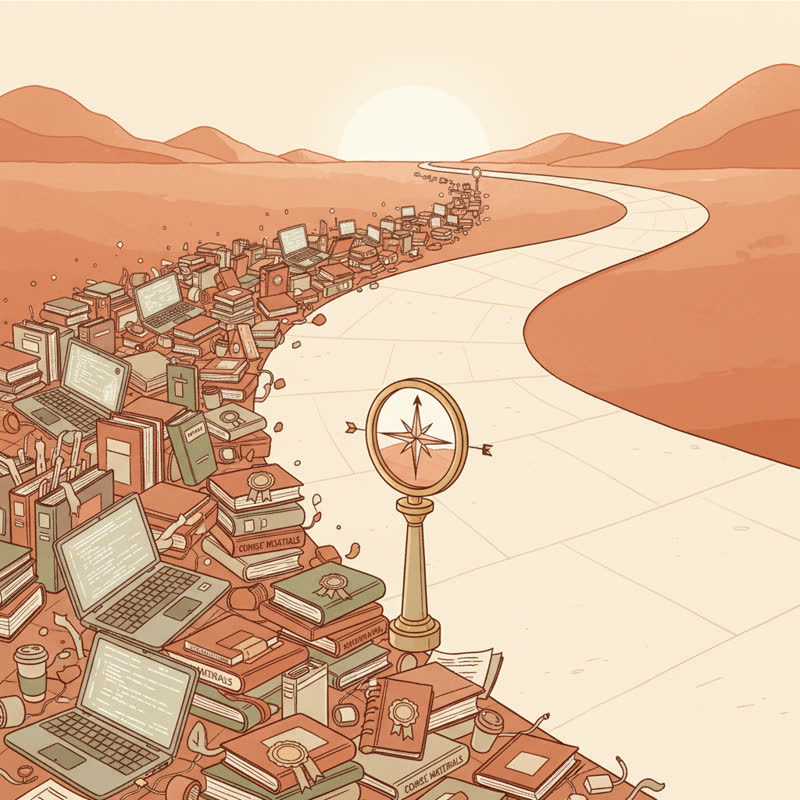
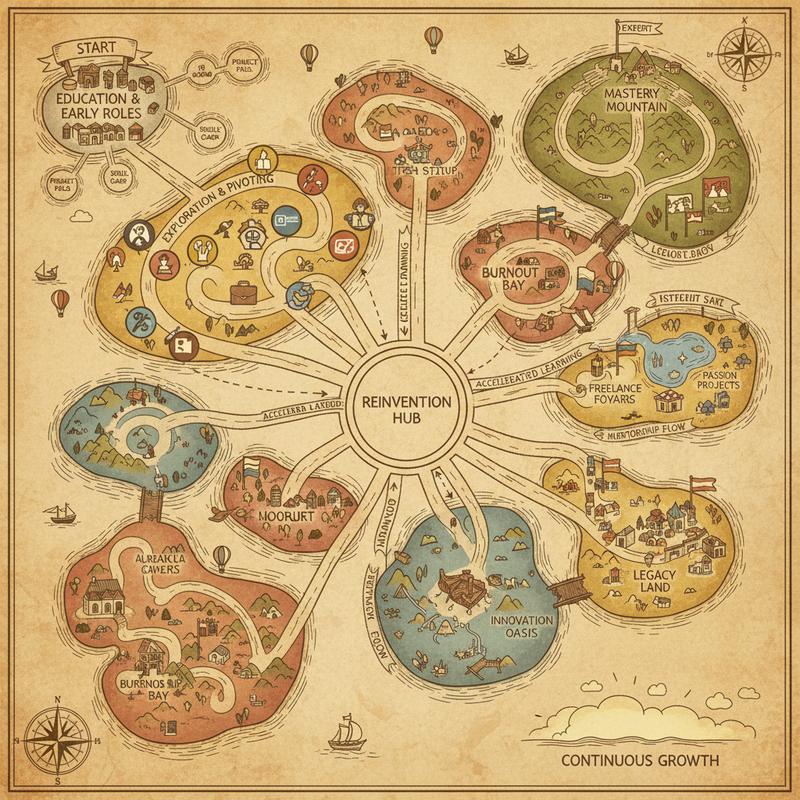
Warm bowl of spaghetti noodles with career milestone icons, editorial style on cream background

The Ladder We Were Sold

Every careers advisor, every well-meaning parent, every LinkedIn thought leader tells you the same thing: plan your career. Set goals. Pick a direction. Climb.

The image they sell you is a ladder. Start at the bottom, work your way up, step by step, rung by rung. Neat. Orderly. Safe.

For most people? Complete fiction.

Research cited by Together Platform, drawing on Bureau of Labor Statistics data, puts the average number of jobs held across a career at 12 for baby boomers. Twelve. Not a ladder. A scribble on a napkin.

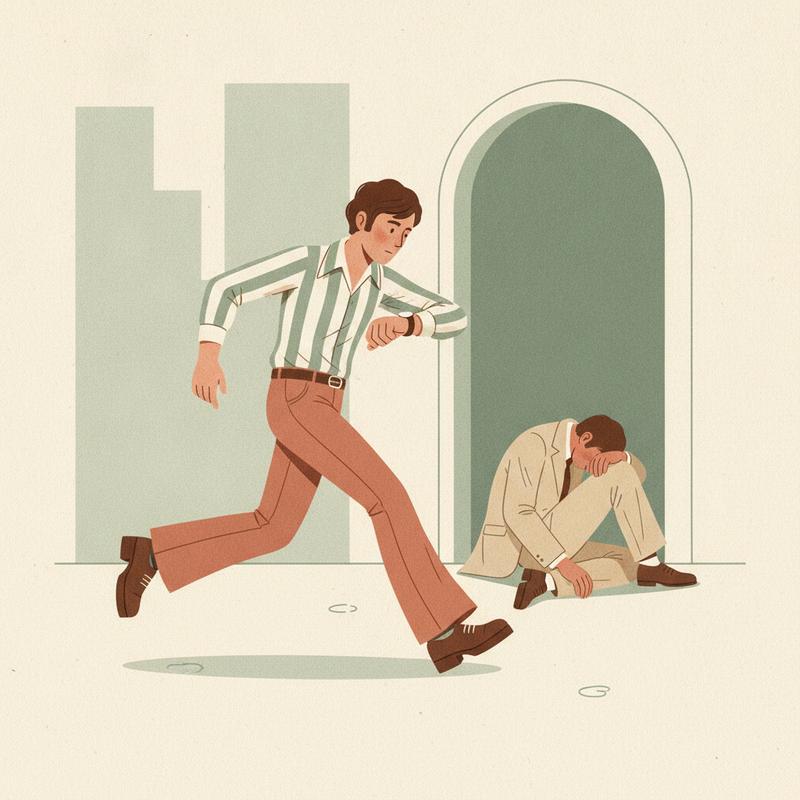
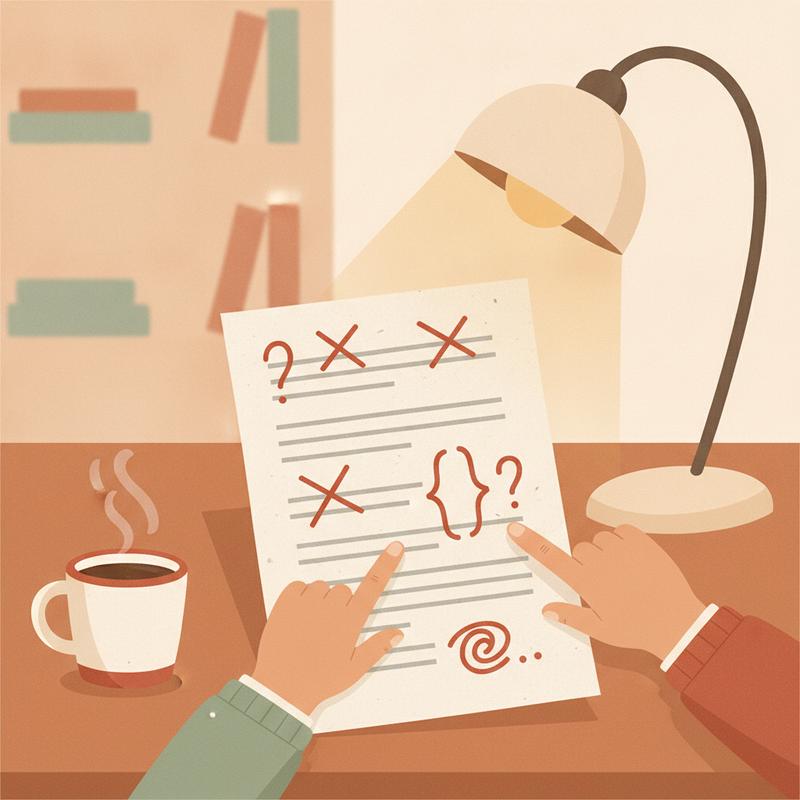
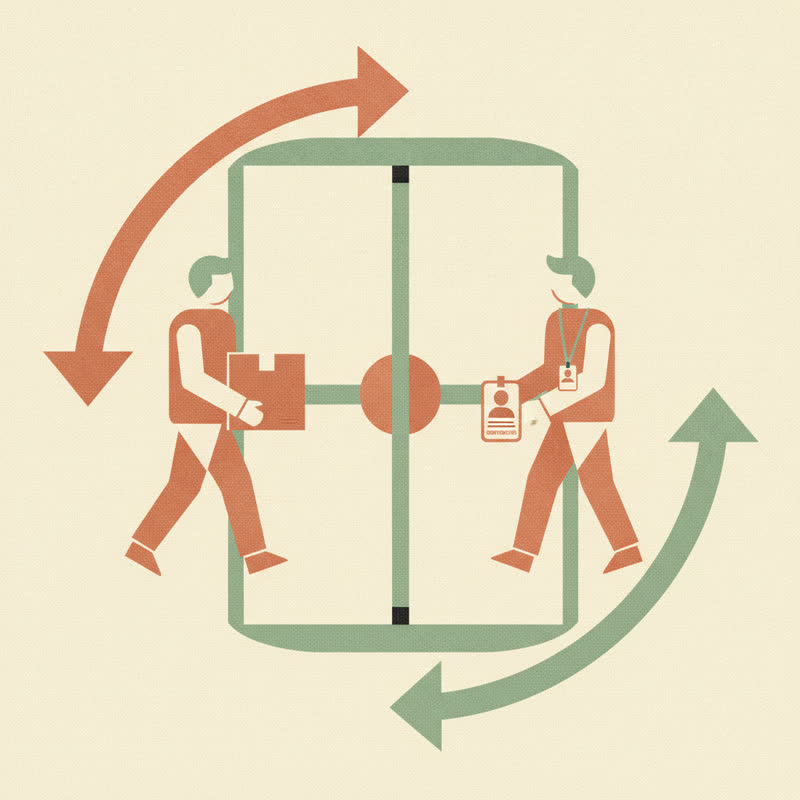
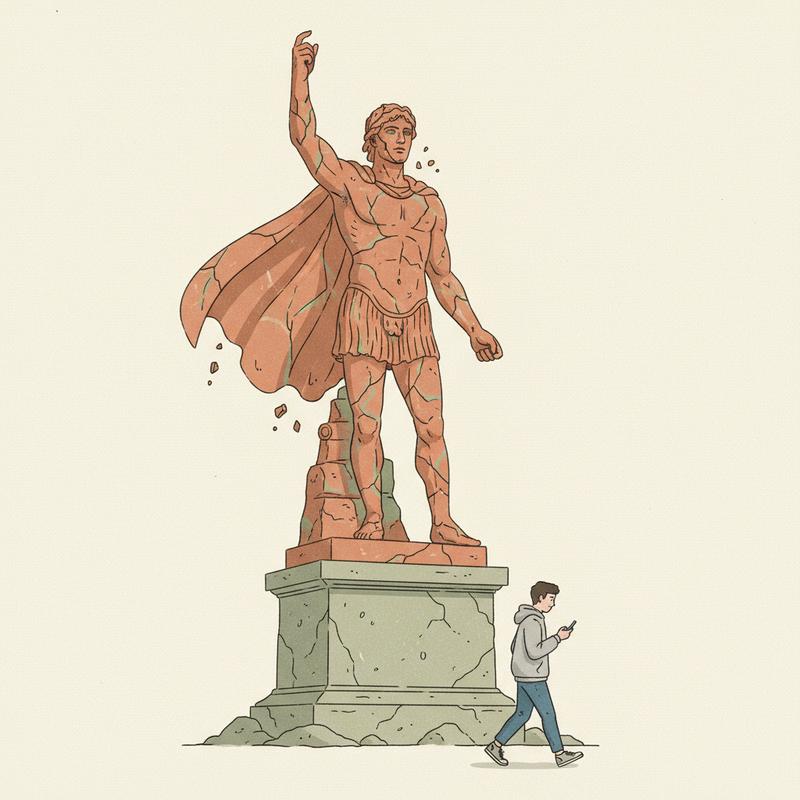
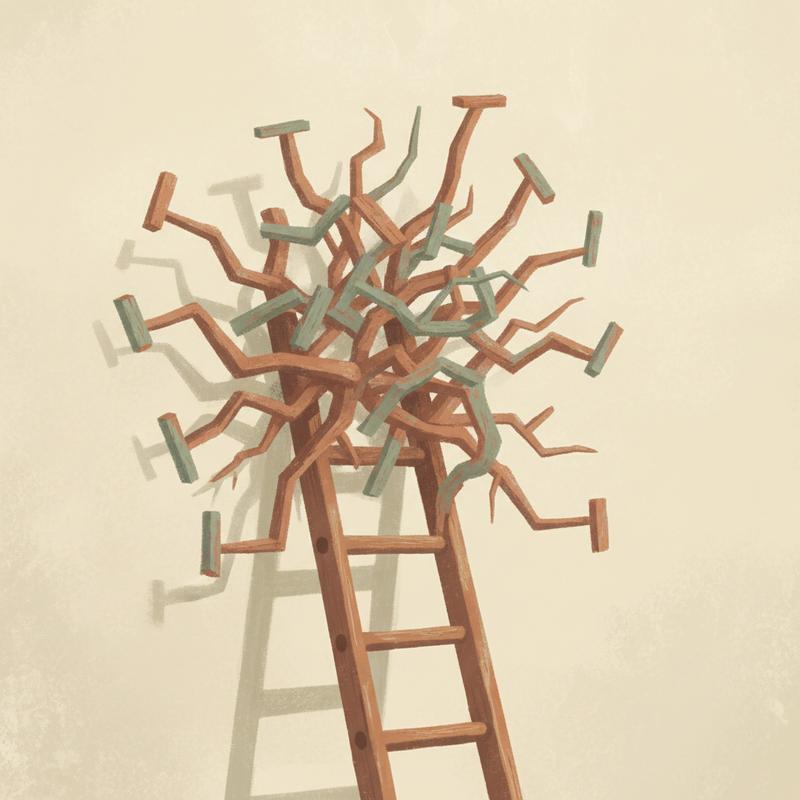
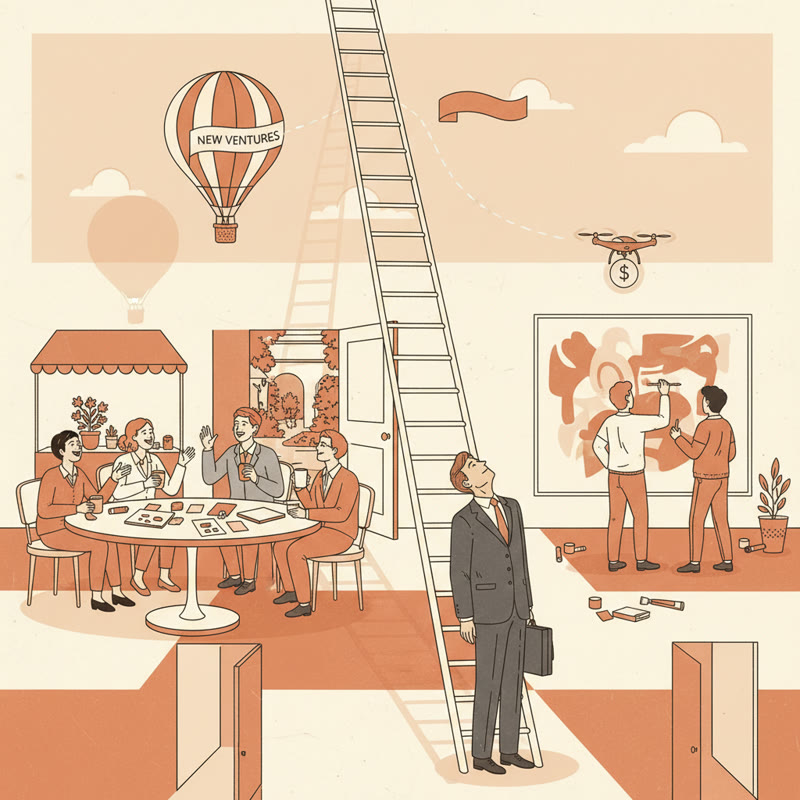
A tall corporate ladder leaning against a wall, slightly tilted and unstable, minimalist style

And yet the ladder myth persists. Schools still teach it. HR departments still plan around it. Managers still frown at people who don't follow a tidy, logical upward progression.

I'm done with the ladder.

My Actual Path

Let me walk you through the spaghetti.

I served in the US Army. After leaving service, I studied Computer Science at the University of North Texas. From there, I worked as a research engineer at Sun Laboratories. It was the organisation responsible for Java and much of the infrastructure modern enterprise software runs on.

Then years of building things. E-commerce platforms. High-availability leaderboards in C. No-code tooling in Tcl/Tk. A VAX/VMS networked database. Founder and partner in several tech ventures. Every project was a masterclass in something school wouldn't have taught me.

Then mobile. I led the Android team at Santander's personal banking app. 2.2 million monthly active users. Cut incident rates by 30 percent. Launched an Android Academy to accelerate new engineer onboarding. Hired 56 engineers over four years.

Then I joined Curve, a UK fintech company, as Senior Engineering Manager. Seven cross-functional teams. Up to 43 people. Manager of managers. Building engineering culture inside a fast-moving startup.

And then I turned again. Now I'm Chief Innovation Officer at Step It Up HR. I keynote at conferences across Europe. I host a podcast. I co-authored Bad Bosses Ruin Lives, a book on what makes leadership work and what makes it catastrophic. I speak to HR professionals, L&D practitioners, and senior leaders about the one thing organisations consistently get wrong: management.

My CV reads like someone who kept changing their mind. I read it as someone who followed the interesting problems wherever they led.

Why the Ladder Fails You

The ladder model rests on a few assumptions.

First, it assumes you know what you want at 22. Second, it assumes your industry stays stable long enough for a multi-year plan to survive contact with reality. Third, it assumes your value to an organisation sits neatly on a single vertical track.

None of those hold.

I had no idea I'd end up in HR technology when I was writing C code at a Sun workstation. The prospect of keynoting in Reykjavik about bad bosses would have seemed like someone else's life to the engineer I was at Santander.

And yet every strand of my career fed the next one.

The military gave me accountability, standards, and the habit of following through under pressure. Research gave me intellectual rigour. Mobile development taught me how to build products people love at enormous scale. Managing large engineering teams showed me how organisations work... and how they fail. All of it travels with me every time I step on a stage.

Sarah Ellis and Helen Tupper coined the term "squiggly career" in their book of the same name. Their argument: the most effective professionals today move laterally, build broad skill sets, and treat careers as sequences of experiments rather than a predetermined climb. They're right.

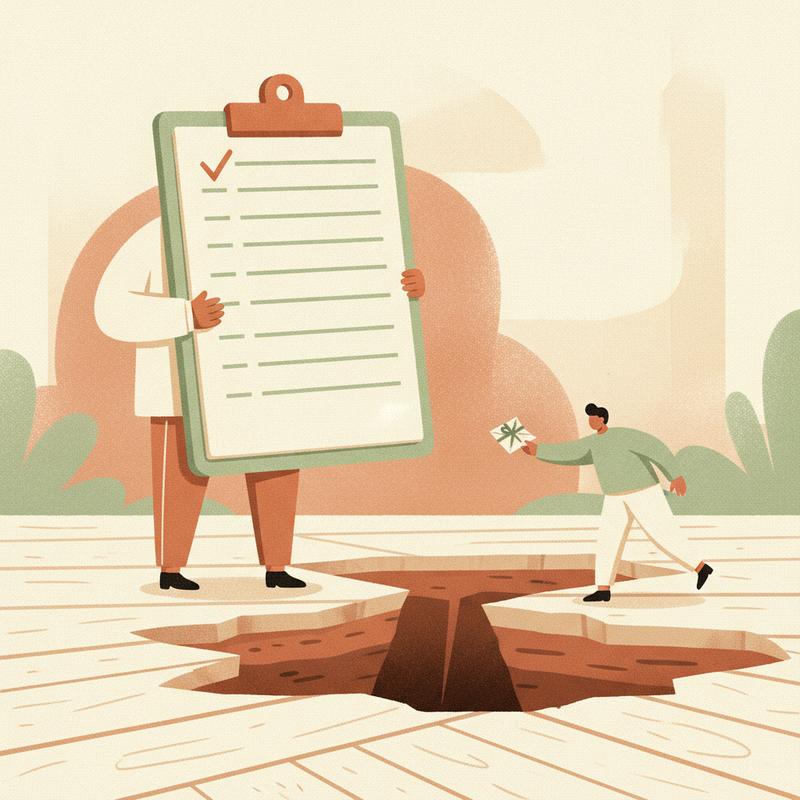
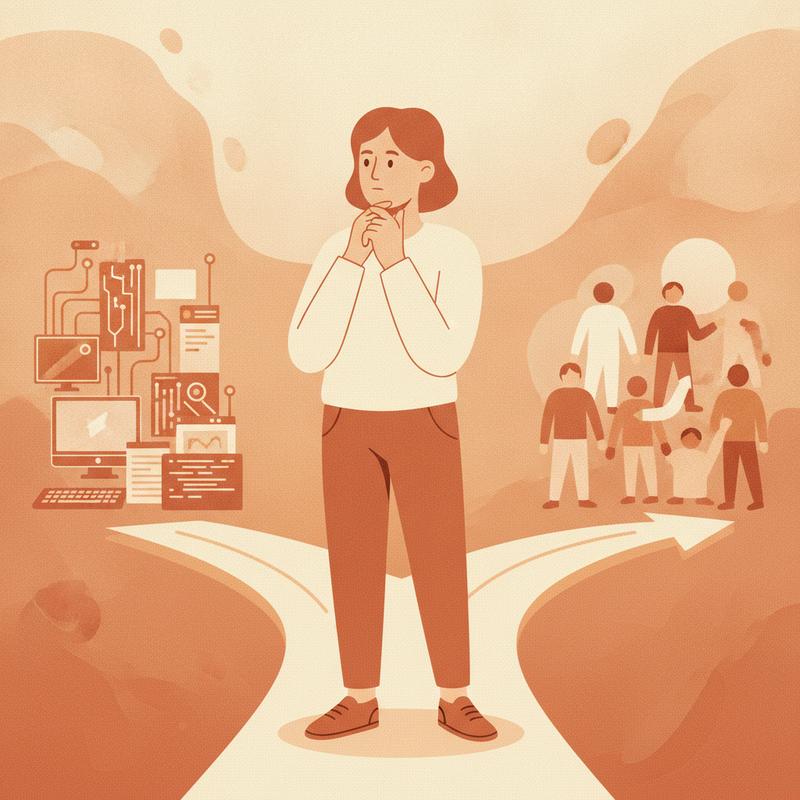
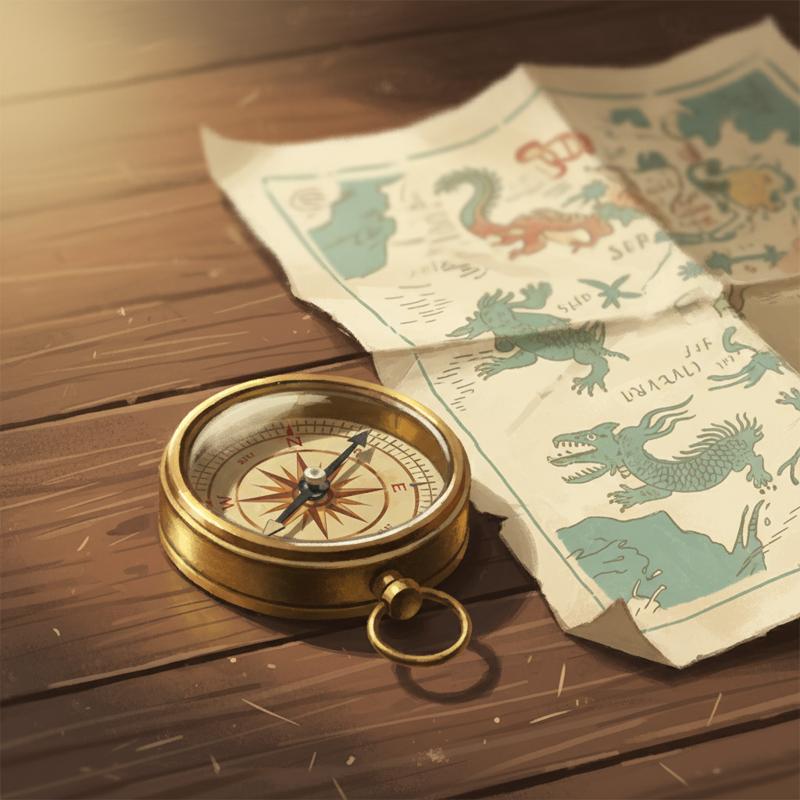
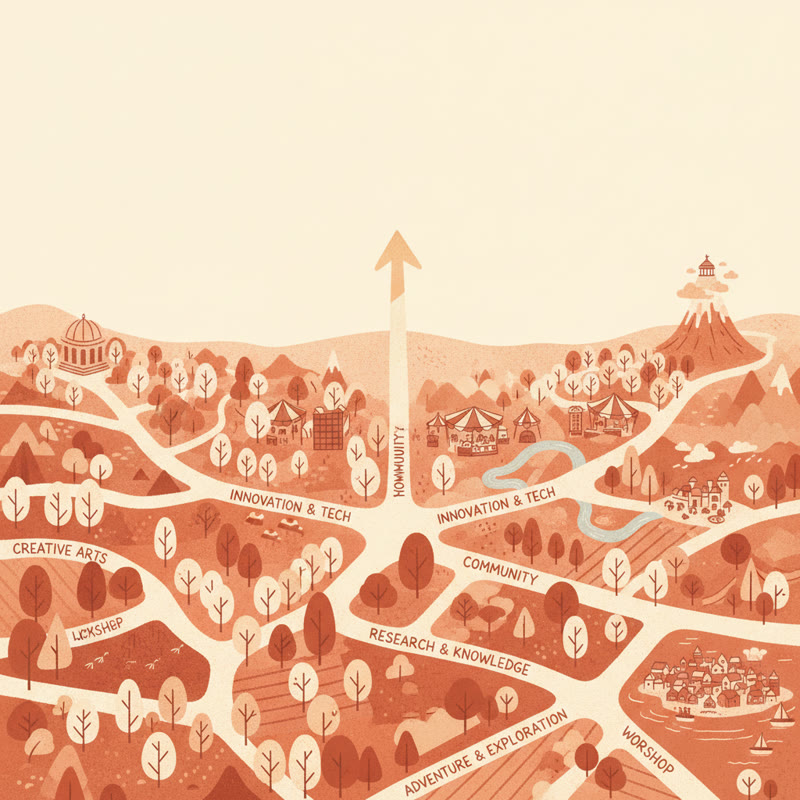
Person standing at a crossroads sign with multiple directions, warm golden hour light, terracotta tones

What You Get From Spaghetti

A ladder takes you up one wall. Spaghetti takes you across the whole room.

Here is what broad, winding experience gives you.

Pattern recognition across domains. When you have worked in defence, research, fintech, and HR technology, you see patterns others miss entirely. Problems in one industry often have solutions sitting in a completely different one. Someone who has spent 20 years in a single vertical develops one lens for seeing the world. Someone who has crossed domains develops several. In a room of specialists, being a generalist is an advantage, not a weakness.

Resilience. If your entire career sits on one rung of one ladder and the rung disappears... because companies downsize, industries shift, or AI changes what the job requires... you face a much harder rebuild. People who have reinvented themselves before know how to do it again. They have already proved to themselves it is possible.

Better stories. Nobody wants to hear about 30 years on the same ladder. A former soldier who ended up keynoting at HR conferences in Iceland? People lean in. They want to know how it happened. Your breadth is a credibility engine, not a liability to apologise for.

Stronger networks. Staying in one lane means your professional contacts narrow over time. Crossing industries means knowing people everywhere. Doors open differently when you have built relationships across a wide range of fields. And when you bring a perspective most people in the room don't have, those relationships open in ways they wouldn't otherwise.

The Part Nobody Mentions

Spaghetti careers are uncomfortable.

Every significant change I made meant starting again lower on the knowledge curve. I was the Android lead who didn't know the banking domain. I was the engineering manager who didn't know HR. Each time, there was a period of feeling out of depth. The imposter feeling is real. The people around you raise their eyebrows. Some say it to your face.

And then you figure it out, faster than you expected, because everything you have done before is still in the room with you. Your prior experience doesn't vanish when you change direction. It recontextualises. It becomes the lens letting you see the new environment more clearly than the people who have never left it.

The discomfort is the price. The breadth is the reward.

Stop Planning, Start Moving

I'm not saying abandon goals. Goals matter. A direction matters.

But a rigid 10-year career plan is mostly a story you tell yourself to feel in control of things you don't control. Markets change. Companies fold. Whole industries get rebuilt from scratch. Your interests evolve. You do too.

Worth having instead: a clear sense of your values and what kind of work gives you energy. A willingness to say yes to things which scare you a little. A habit of learning relentlessly, regardless of where you sit on the org chart.

The best career move I ever made looked, at the time, like chaos. So did the next one. And the one after.

Twelve jobs in a career is the average. Your path is far from straight. Stop apologising for the detours. They are the education.

My career looks like a plate of spaghetti. Every strand is there for a reason.

What does yours look like?

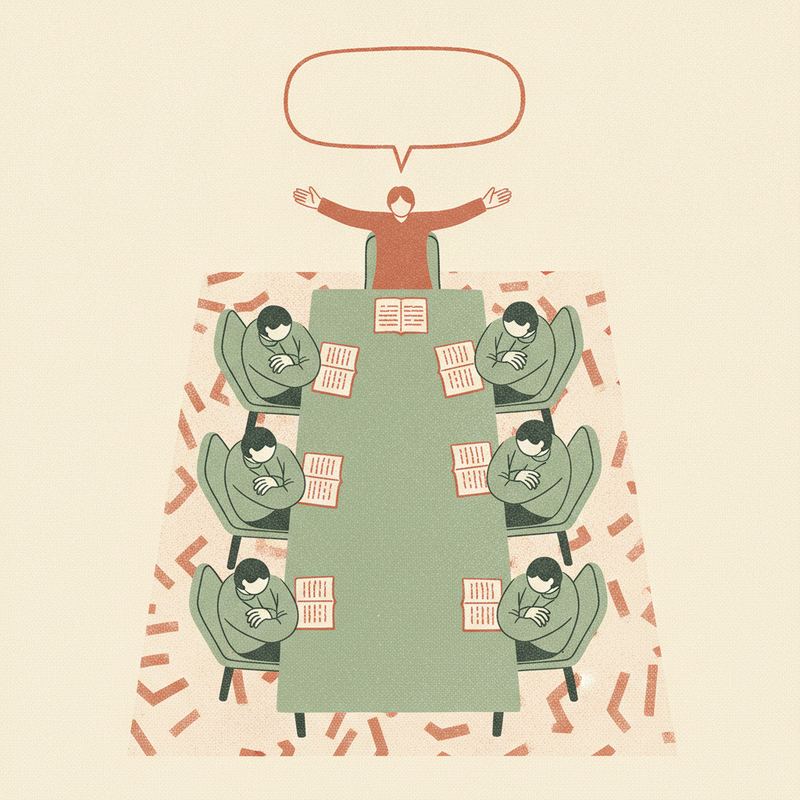
The Day I Was Wrong in Front of My Boss's Boss

The Boardroom Goes Quiet

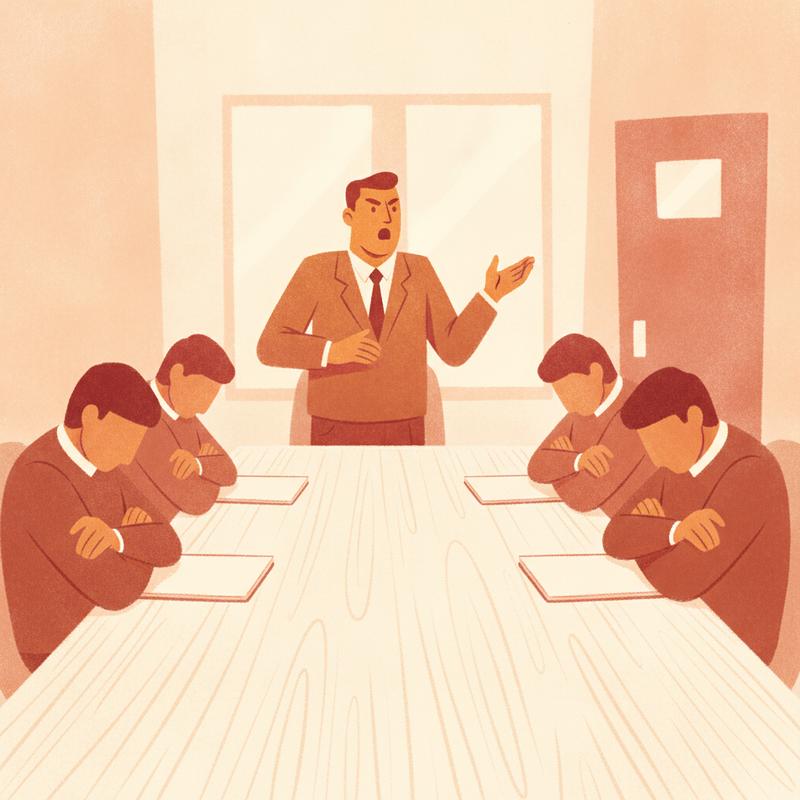
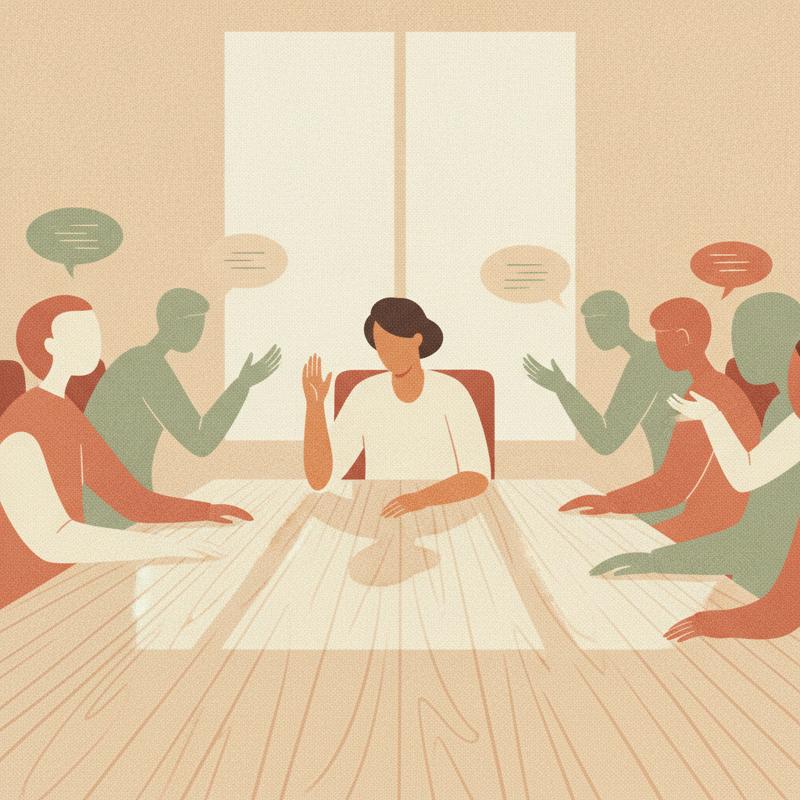
There is a particular kind of silence in a boardroom when someone says the wrong thing.

Not an argumentative silence. Not the polite kind. The kind where people glance sideways at each other, papers shuffle unnecessarily, and the air thickens.

I sat in it once. I was the one who had said the wrong thing.

This was several years into my career as a technology leader. I was presenting a case for a technical decision to a room of senior executives... my boss, his boss, a handful of peers I respected. I had done my homework. I was confident. I walked in with numbers and a clear recommendation.

Halfway through, my boss's boss asked a sharp question. It poked at an assumption I had built the whole argument around.

I answered. Confidently. Perhaps too confidently.

He pushed back. I pushed back harder. Then one of my peers pulled up data on a laptop and slid it across the table.

I was wrong. Plainly, provably, publicly wrong.

The Fork in the Road

Every leader faces moments like these. And every one of them presents two options.

Option one: you wriggle. You reframe. You say "what I meant was..." or "the data doesn't quite capture the full picture..." or you find a way to make it sound like you weren't entirely wrong, only misunderstood. Most leaders go this route. I have watched senior people spend ten painful minutes defending a position they already knew they had lost.

Option two: you own it.

I put down my pen. I looked at my boss's boss. I said: "You're right. I got this wrong. I built the argument on an assumption I shouldn't have made, and I should have caught it before I walked in here. Let me redo this analysis with the correct figures and come back."

Full stop. Nothing else.

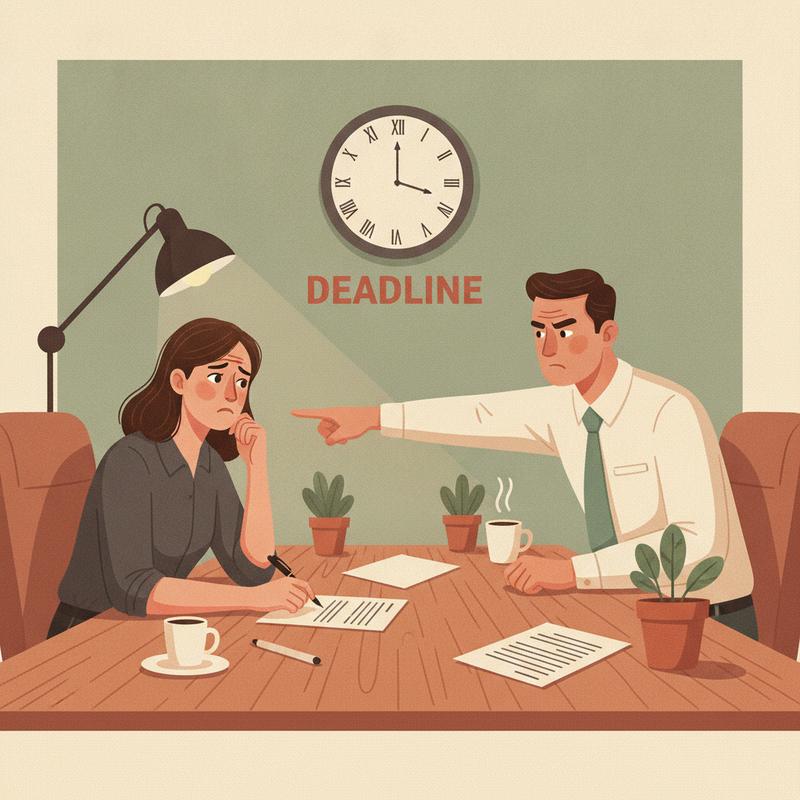
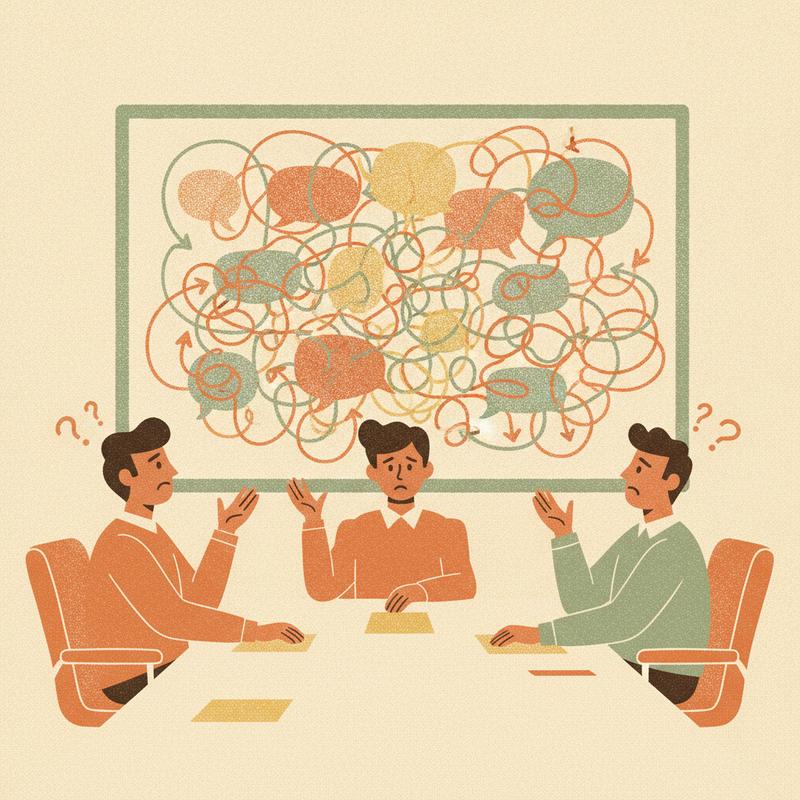
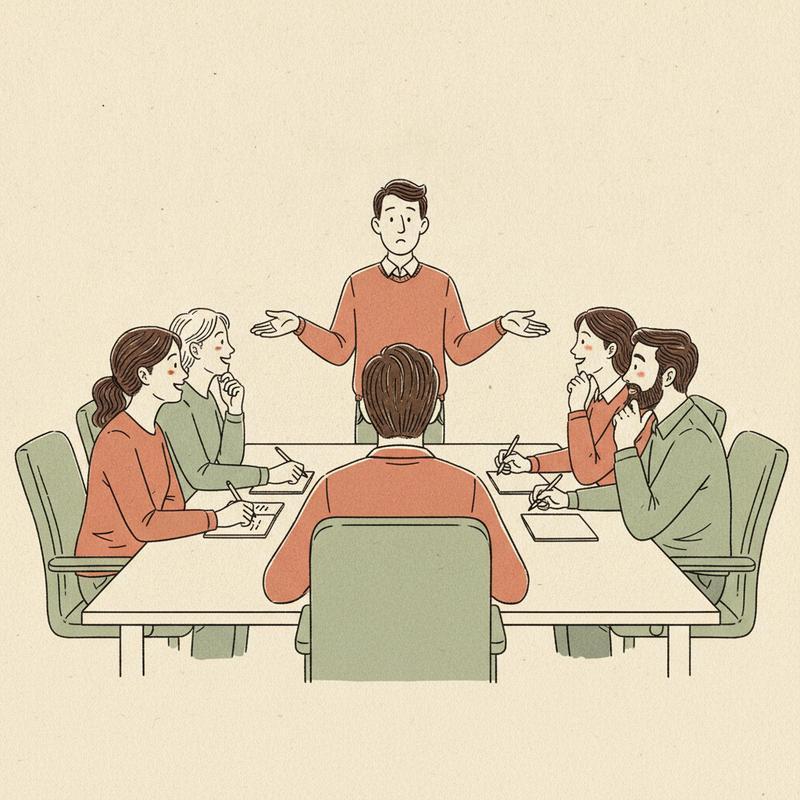
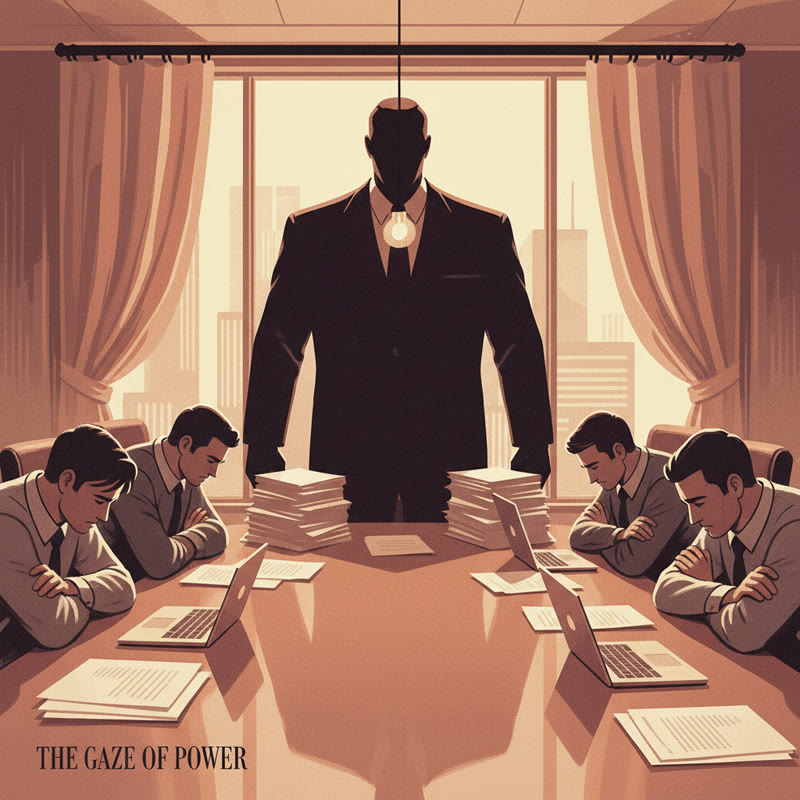
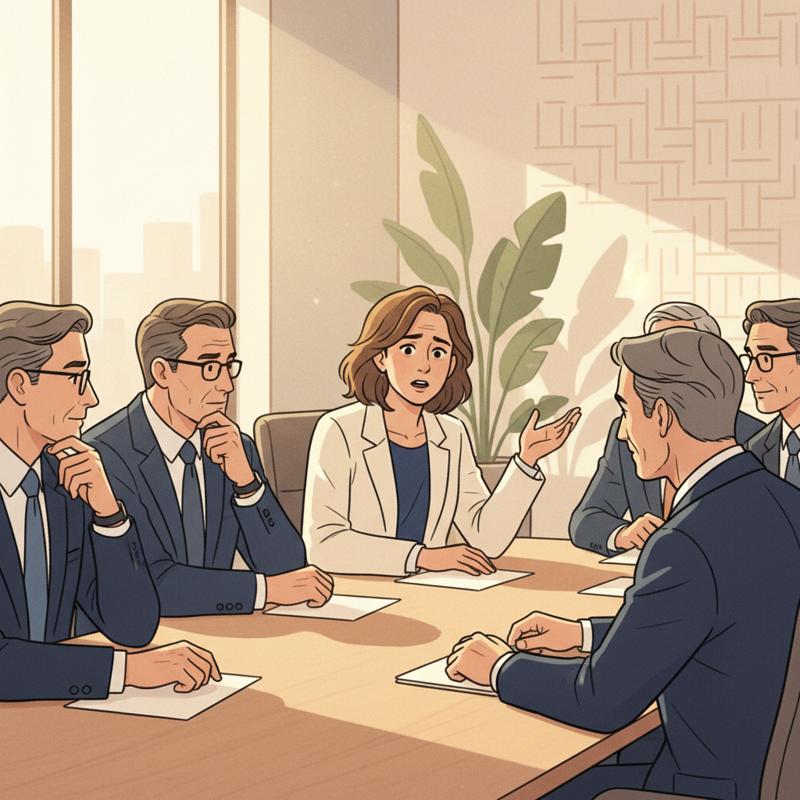
A professional in a boardroom meeting, pausing mid-presentation with a moment of honest realization

What Happened Next

The silence shifted. Not gone, but different.

My boss's boss nodded. "Appreciated. Let's move on." He was on to the next agenda item before the awkwardness had time to settle. No lecture. No pile-on from others in the room. No lingering tension in the days after.

After the meeting, one of my peers caught up with me in the corridor. "Good move," he said. "Most people dig in."

I hadn't thought of it as a move. The data was right there on the table. There was no point pretending otherwise.

What struck me later was how quickly the room moved on once I owned it cleanly. No caveats, no hedging, no softening of the admission. I was wrong, I said so, I said what I would do about it. People let it go.

When you fight a losing position, people remember the fight. When you own a mistake cleanly, people register the honesty and move on.

Why Leaders Refuse to Admit They're Wrong

Here is what I have observed across two decades of leading technology teams: most leaders treat being wrong as a threat to their authority.

They have absorbed the idea... from somewhere, possibly business school, possibly too many leadership books written by people with a lot to sell... leaders are supposed to have answers. Confidence equals competence. Admitting a mistake signals weakness and invites others to question your judgment across the board.

My research into bad bosses found 99.5% of people report having had one or more bad bosses in their career. One of the most consistent themes running through those experiences? A boss who refused to admit being wrong. Who doubled down when cornered. Who blamed the team when a decision backfired. Who would rather watch a project go sideways than reverse course and acknowledge the initial call was off.

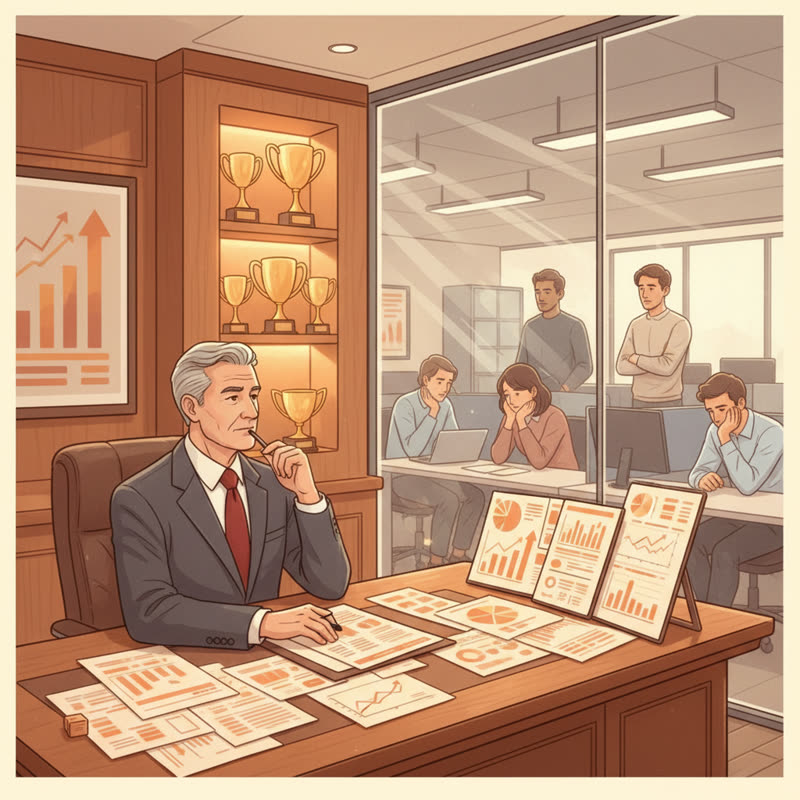
This makes a kind of broken internal logic. Leaders who never admit mistakes appear decisive, certain, in control. Their teams learn the lesson fast: don't bring bad news. Don't challenge the boss's read on things. Keep your head down and your honest opinions to yourself.

The boss's ego becomes a bigger operational risk than any single bad decision.

What the Research Shows

Leaders who admit mistakes are rated as more effective by their teams... not less. Research from Entrepreneur and multiple leadership studies consistently finds leaders who acknowledge being wrong score higher for effectiveness with their teams... not lower. Admitting a mistake signals humility, and humility is consistently associated with better leadership outcomes.

The practical argument is even stronger. When a leader admits a mistake openly, they signal to the whole team: it is safe to do the same. People start raising issues earlier. They flag problems when something is still fixable. They offer honest analysis rather than telling you what they think you want to hear.

When a leader treats every challenge as a threat, the team's instinct is self-protection. Information flows upward slowly, selectively, cleaned up before it arrives. By the time you hear about a problem, it has often grown past the point of easy repair.

One honest moment in a boardroom, one clean admission in front of your boss's boss, sets a different tone entirely. It is worth far more than any trust-building exercise your HR team has ever booked a venue for.

The Skills No One Teaches

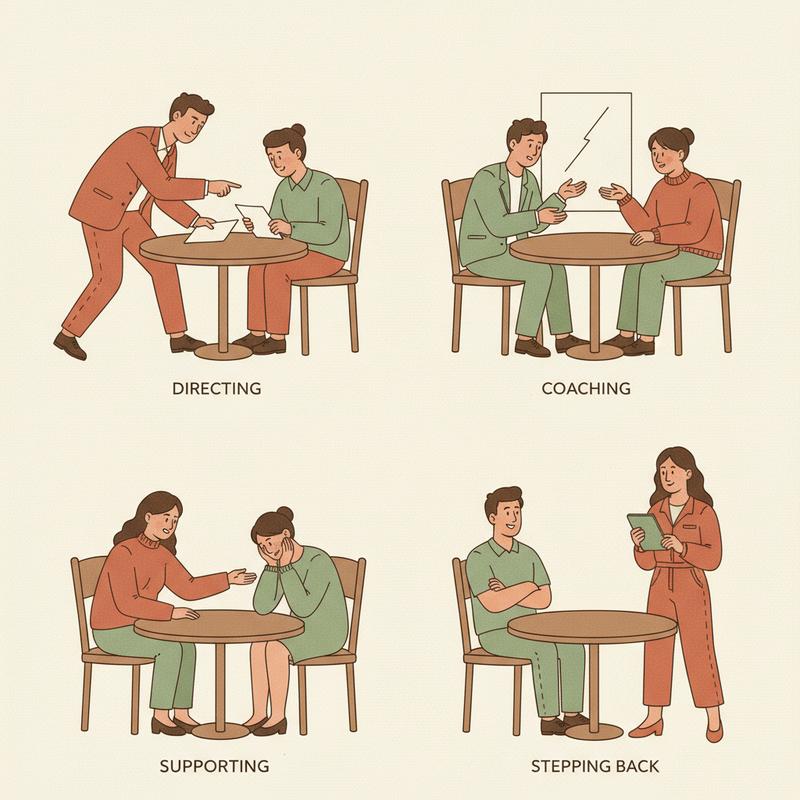
Nobody prepares you for this in leadership development programmes. The focus tends to be on decision frameworks, communication styles, how to give feedback. All useful. None of it covers the specific skill of being wrong gracefully, in public, without it becoming a spectacle or a wound you carry forward.

The mechanics are simple. You say: I was wrong. You say what you got wrong. You say what you will do differently. You move on.

No qualifying. No softening. No "to be fair, the information I had at the time suggested..." You were wrong. Own it. Done.

The harder part is internal. Most people feel genuine shame or anxiety when caught being wrong in front of people whose opinions matter to them. The instinct is to protect yourself. The more senior you are, the more you feel you have to protect.

A reframe helped me, and I have tried to pass it on to the people I have managed since. Being wrong is a data point. It tells you where your assumptions drifted, where you needed more information, where you rushed a judgment. It is useful. Fighting it is what makes it damaging.

A leader sitting alone after a meeting, thoughtfully reflecting with a notebook

Doing It in Front of Your Team

If you want your team to surface problems early, be wrong in front of them.

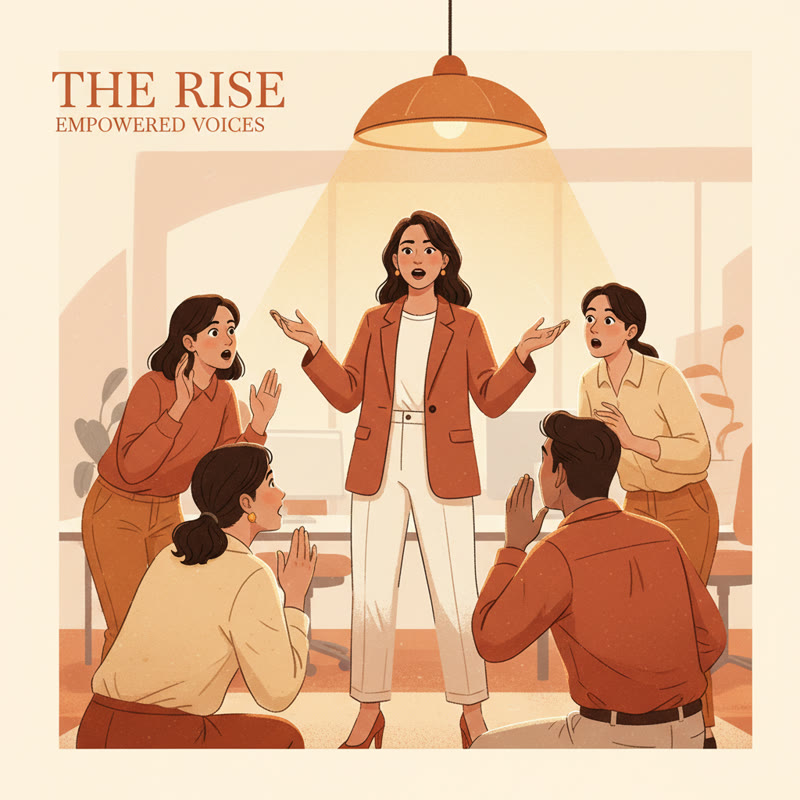
Correct yourself in a meeting when new information comes in. Say "I had this backwards" without apology and without drama. Watch what happens. People relax. They start doing the same. The willingness to speak up increases... not because of any initiative you launched, but because of what you modelled.

You do not earn trust by being right. You earn it by being real.

I have written more about the relationship between managers and their teams, and about what separates the leaders people want to work for from the ones they endure, at Step It Up HR. The patterns are consistent across industries.

The Longer View

The day I admitted I was wrong in front of my boss's boss was not the worst meeting of my career. It turned out to be one of the more instructive ones.

My boss's boss saw someone who wouldn't waste the room's time defending a dead position. My peers saw someone they would feel comfortable disagreeing with later. And I reminded myself of something worth carrying forward: the leaders people follow are not the ones who are always right.

They are the ones who treat being wrong as part of the process. Who take the correction, update their thinking, and get back to work.

The boardroom tests a lot of things. How you handle being wrong in it tells the people watching you more about your leadership than most decisions you will ever make in it.

Nobody's Coming

Trump wanted NATO allies to join his war with Iran. They said no.

According to reporting from Time, he called their refusal foolish and warned allies who stay out of a "bad future." He announced, as he often does, America "no longer needs" them.

Here's the problem. He burned those bridges years ago. Now he's standing at the river wondering why no one is helping him cross.

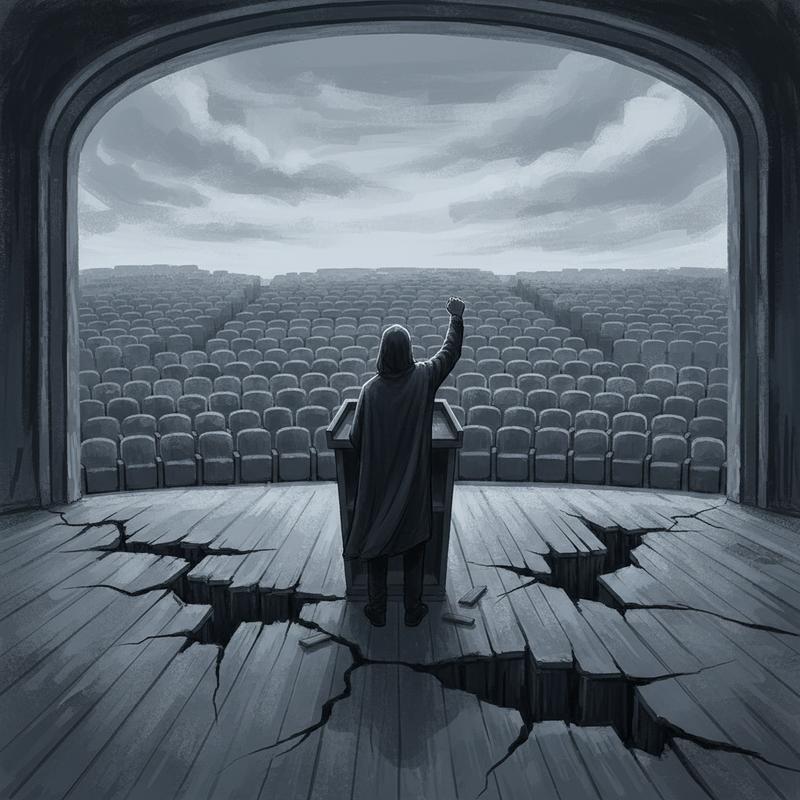
A lone figure on a crumbling stage, fist raised, facing rows of empty chairs the allies who are no longer there

This Is What Burning Bridges Looks Like

Since taking office, Trump has torn up trade agreements and punished allies with tariffs. He threatened to annex Canada. Canada stopped taking his calls. He's pardoned convicted criminals who went on to harm more people. He's systematically dismantled the diplomatic infrastructure the US built over eighty years.

And now he needs those allies. And they've looked at what helping him costs, and walked away.

Europe told him clearly: this is not NATO's war. They want to know the goals, the exit plan, what they're signing up for. Trump has no answers to those questions. His approach doesn't include answers. It includes demands.

His Version of Negotiation

Trump's version of negotiation is simple: you give, he takes. He calls it winning. Everyone else calls it getting mugged.

Canada saw it coming. When he floated his annexation "offer," Canada didn't sit down at the table. Not out of weakness. Because they understood what showing up means when Trump is in the room. He had nothing to offer and everything to demand. Walking away was the only sensible response.

The same is playing out with NATO now. Allies are asking reasonable questions about war aims and accountability. Trump responds with fury and threats. He is not a partner. He is a bully who ran out of people willing to absorb the punishment.

What the World Sees

I served in the US Army. I fought for this country, and I say this with no pleasure at all: while Trump is the President, the world looks at the United States and sees him.

Every bad-faith demand. Every pardoned criminal. Every treaty ripped up. Every ordinary American working three jobs to fund his foreign adventures is invisible to us. What we see is the man at the top and what he does in America's name.

America was not built to stand alone. The alliances and institutions took generations to construct. They exist because being part of a network of strong democracies is what kept the peace and built the prosperity. Trump either doesn't understand this or doesn't care. Either way the outcome is the same.

He wrote cheques with his mouth for years. Big promises. Easy wins. Dominance without effort. The bill is arriving now, and the people who were supposed to help pay it have left the building.

Where This Ends

I don't know how this ends well for America. The Iran war drags on. The allies won't join. The economy is absorbing damage from his trade wars. The rest of the world is quietly making plans without Washington at the table.

The man who promised to make America great again is making it isolated, mistrusted, and weak. Ordinary Americans are paying the price.

If you're American and you're angry about this: good. Get louder. The rest of us are watching and we're waiting for America to remember who it is supposed to be.

I Put on Rocket Boosters

I tried them all. ChatGPT first, obviously. Then Cursor, because the developer community were going on about it. Then Codex. Then I upgraded my Google account to get access to their AI tooling. I gave each of them a proper go. Not a few minutes... weeks.

None of them clicked.

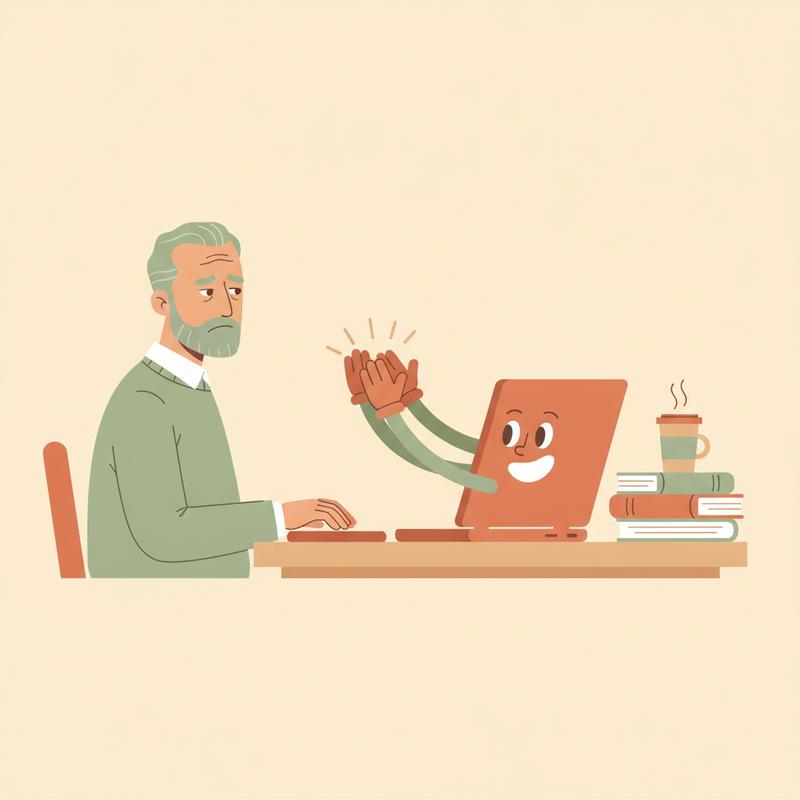
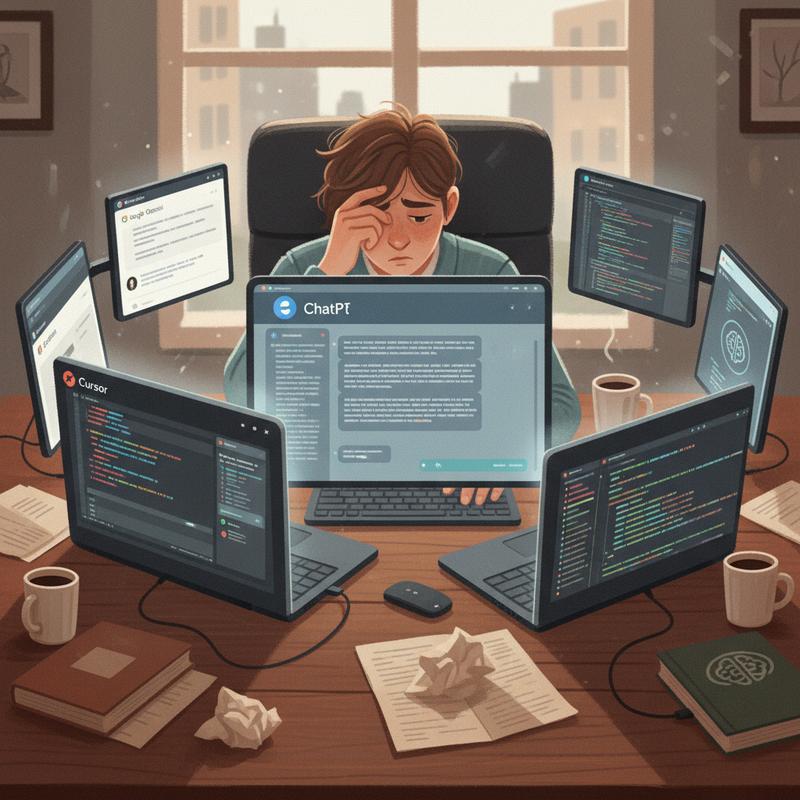
A developer surrounded by multiple AI tool interfaces on different screens, looking tired and unconvinced

The Problem With Most AI Tools

The issue wasn't raw capability. ChatGPT is impressive. Gemini genuinely surprised me. Cursor is clever. But in every case I kept hitting the same wall: these tools work for you, not with you.

You type a question. You get an answer. You copy it somewhere. You ask another question. The AI has no idea what you did with the last answer. It doesn't know your project. It doesn't remember what you decided three conversations ago. Every session starts from scratch, and you spend half your time re-explaining context the tool should already have.

It felt like hiring a brilliant contractor who shows up every morning having forgotten everything from the day before.

What Changed With Claude Code

I switched to Claude Code a few weeks ago. The difference wasn't subtle.

The Claude Code ecosystem isn't a chatbot bolted onto an IDE. It's an agent running inside your actual working environment, with access to your files, your git history, your project structure, your terminals. It reads your CLAUDE.md and knows your conventions. It builds up memory across sessions. It runs commands, writes tests, deploys code, searches the web, generates images, sends Telegram messages.

I'm not describing theoretical capability. I'm describing what it did for me this week.

It wrote three blog posts, deployed them with images to my live website, set up a daily cron job to keep doing it, and sent me a Telegram confirmation each time. I described what I wanted. It did it. I reviewed the result.

A partner. Not an autocomplete.

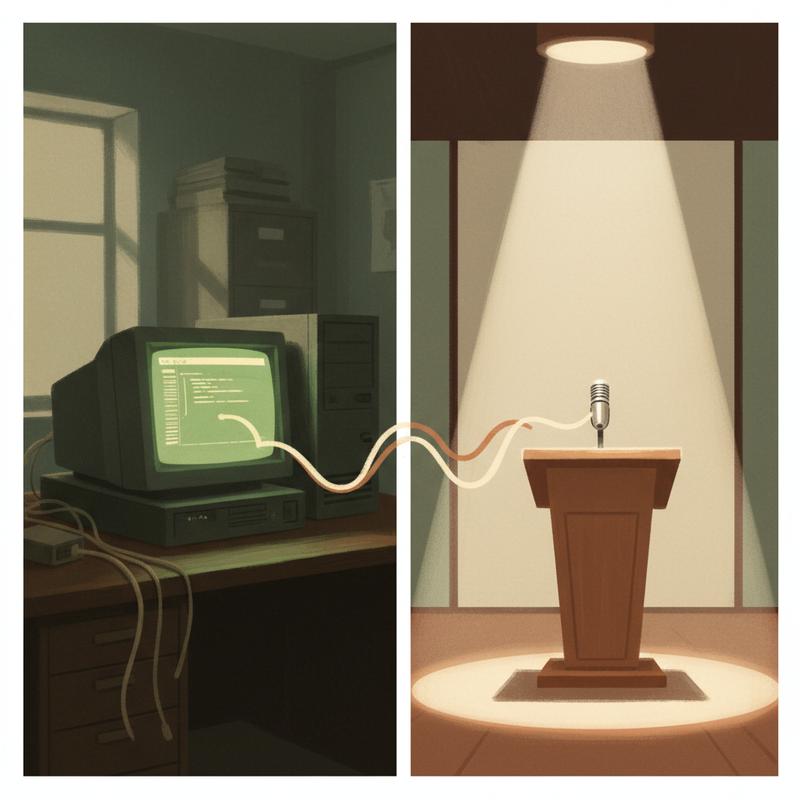
A developer in focused flow state, one clean setup, everything working

The Ecosystem Is the Point

What makes Claude Code different isn't any single feature. It's the ecosystem.

Skills. Custom slash commands for repeating workflows. Hooks. Memory files. MCP servers for external tools. Agents you dispatch to run tasks in parallel. It all hangs together in a way the other tools don't.

With ChatGPT or Cursor, I was always fighting the tool to fit my workflow. With Claude Code, I described my workflow once and the tool adapted to it. My codebase. My deployment process. My writing style. My banned words list. My Telegram bot.

After years of trying to force AI tools to be useful, I've found one where being useful is the default.

The Honest Caveat

It's not magic. You need to put in the work to set it up properly. The CLAUDE.md file needs writing. The skills need building. The memory needs accumulating. In the first day or two it feels like any other tool.

But by the end of the first week, something shifts. The tool knows you. It knows your project. And instead of fighting context and re-explaining yourself, you're moving at a pace you didn't think was possible.

Rocket boosters is the right metaphor. Same person. Same brain. Same hours in the day. But the distance you cover is completely different.

If you've tried AI coding tools and come away thinking "nice party trick," do yourself a favour: try Claude Code properly, with a real project, for a real week. Set it up right. Let the memory build. Give it actual tasks, not toy examples.

You might find, like I did, what AI should have been doing all along.

Something Terrifying...

I find my self in agreement with trump.  No, not with the absolute tripe that he's saying, but the actions he's pussy-footing his way towards.

The virus is horrible.  Far more vicious that anyone wants to believe.  Yet...

There's 20% of the workforce out of work right now.  The longer we stay in lockdown, the bigger that number gets. People that can't feed children, take care of themselves, or do anything constructive.

However, the alternative, going back to work, will vastly increase the number of deaths, even with caution.

How many? At time of writing we have something like 2 million Covid cases in the US, with 75K deaths.  There are 330M people in the US.  Multiply it out, and you get something on the order of 12.5M deaths.

Instead of framing things in those terms, trump the coward is telling children's stories where nothing bad ever happens.  Of course, we all *know* better, right?  "only 15 people have the virus", "it's going to go to zero", "the heat will get rid of it", "inject bleach".

Okay, maybe that last wasn't a children's story so much as pure stupidity, but you get my point.

Assuming that the virus doesn't change it's mortality rate, that's what we're really facing.  12.5M deaths from virus, or who knows how many by starvation and unrest.

I pretty much stand against everything trump represents: silver spoon, cowardice, hate, corruption, nepotism, bigotry and misogyny.

Still, the terrifying thing is that we have no choice, we really have to take this like a battle.  Accept there will be casualties.  Pull together as a society, and make sensible decisions.

It's time for hard truths, and courage in the face of adversity.  This next year or two will flat out suck.  It's going to be bad, but we have no choice but to carry on.

I wish the best for all Americans (yes, even trump despite all the deaths he owns).  I don't want anyone to have to die from the virus...but the only way is to move forward, despite the losses, and keep moving forward.  

We cannot be deer in the headlights of this mess.

We need testing.  We need PPE.  We need honesty.  We need to stop covering up, and actually open up to the truth.  Admit it when we've made mistakes, and see if we can't do just a bit better every day.

When it comes to it, we need a leader.  Not a fool. Not a coward.  Not someone who will keep throwing villains to his base until he finds someone to blame things on.

At this point, I'd rather my Chocolate Labrador were president than trump.

Don't do the bleach.  Don't do the hate, or any of trump's other specialties.

I've said it before, but it's never been so true: don't believe what he says, watch what he's doing.

Still, above all, we need to love each other.  Even trump, just so long as he's not in my government ruining people's lives.

Shower Moments, and the Joy of Boredom

It's become a joke in my workplace.  I'll turn to my boss and say "I had a shower moment this morning.  I was thinking about the way that we've built the new code...."

A "shower moment" is when I'm not really paying attention to where my mind is wandering.  I'm doing something that occupies my mind enough (but not too much) so that my subconscious can daydream.

These moments are gold.  

In the office during the day I'm rushing here, rushing there, trying to beat a deadline, prepare for that next meeting, answer an email, etc.  Who's got time to breathe, much less /think/?  That nagging little voice that's trying to tell me something never gets a chance.

As an Engineer, I specialise in focusing deeply on a single facet of an application at a time.  I build huge architectures of imagination when programming (which is why a single 15 second interruption can be fatal). By necessity, I do my best to make sure my mind doesn't wander off the path to the next challenge.  This not only enables me to laser focus on a very small detail, but it also very effectively blocks any 'A-HA' moments.  The path is set in stone (until we've conquered the next challenge).

So when I can daydream my subconscious takes the wheel and takes me to places that I wouldn't have gone during the work day.  I don't get bogged down in what's known to be possible, what I have to do next, or what anyone else thinks.

It's not strictly tied to when I'm taking a shower...the key is to be bored enough for my mind to wander.  I could call this the "doing the dishes" moment or the "walking to the train" moment or even the "boring" moment, but it doesn't have quite the same ring.

Next time you find yourself standing in a queue at a Starbucks, waiting for a meeting to begin, sitting in a waiting room for your next dental exam or even in a shower, don't pull out a phone or a tablet (especially in a shower). 

Just relax and let your subconscious take you where it may.  Bring a way to take notes, and see what that little voice is telling you.

Playing around

Hope you guys are doing well.  Thought you’d get a kick out of this.

It was a bit of a week last week.  Lots of "he said, he said" going on.  Nobody paying attention to the other person’s viewpoint.  I wanted to make a point about perspective.

I had come across ‘anamorphic text’, and then the 3D version…. Since I have an Creality Ender 3 Pro 3D printer, that seemed well within my reach.

Unfortunately I couldn’t find a good tool to do it.  One method didn’t work, another required installing Fusion 360, with about 15 licenses.  Ugh!

After a bit of snooping around, I found TinkerCAD, and then had to teach myself how to do anamorphic modelling…I enjoyed that enough, I made a video to upload to Youtube (I haven’t done that part yet).

https://drive.google.com/file/d/1z4jlByGzKwWtSiE8pWESHlcOS9HXKqxX/view?usp=sharing

Great, now to print the anamorphic text.  Because it’s got overhangs (the tops of C, S, O, Q, T and so on as well as the serifs), I have to print supports, which then have to be removed to view the final product.  That’s why such prints on a simple 3D print look a little “fuzzy”.  It’s *hard* to get them to be clean.


Fine, so I have a printed couple of words “Curve Rocks”.  Both a shameless plug for brownie points, but also something I can make a point about perspective in calls.  Great!

Then, I thought “Hey, why not make a post on LinkedIn about this?” 

Well, I /could/ have posted the picture above, but that seemed a little boring…so I figured I’d shoot a movie. I set up a lazy susan and taped a few sheets of white paper together …

The idea was to focus on the text…and ended up with this:

https://drive.google.com/file/d/1jOp58wRK9sKUP5jmwaHwZgL2JFg_EWxb/view?usp=sharing

Gets the point across, but there’s no fading, you can see the lazy Susan moving, and there’s the shadow on the wall behind.  Clearly, that’s not good enough.

I found a software package called OBS (Open Broadcasting Software) or some such.  Long story short, it’s very powerful software.  Some people do actually use it to broadcast TV shows and such.

My needs were much simpler, so that ended with this post on Linked in: 
https://www.linkedin.com/feed/update/urn:li:activity:6837843593449766912/

Deb liked it so much, she asked me to create one for her company.  Her company is about being a rebel in HR practices.  Question everything.  So, she’s taken to saying she’s in a ‘rebelution’. 10 letters, that’s suspiciously suitable for this process…but because both faces had pronounced serifs it was a right pain to try to clean off...

So, now I get to make her a movie too.

In the end, my mind (mostly) off my work. Mission accomplished, more or less.

Fun way to spend a couple days of a 3 day weekend.

Anyway, off to walk the dogs now. Give each other hugs for me!

-me


Part II: Ack! I've just been made redundant! Now What!?!

In 2017 the company I'd worked at for 2 years decided to "go in a new direction".  It was a 12 person company, so it wasn't like I'd expected to retire from there or anything...still.

I was really sad about it. We'd been working so hard, had accomplished so much, yet the company was putting all that (and me) to one side.

However, it wasn't my first rodeo.  Business is hard.  We're expensive.  The junior devs who were on their first or second job out of university saw it as an apocalypse.

I wrote this article to help them:
https://www.kencorey.com/personal-blog/ack-ive-just-been-made-redundant-now-what

I wanted to emphasise the first point in that article.  Respect the feelings.  Process them, do not deny them.  Give yourself some time.

When the company you work for has to take the drastic step of making a large number of people redundant, there's rule that means the company *must* try to make decisions in as impersonal a way as possible.

That means, even though the redundancy or layoff feels personal to you (of course it does), to the company and the managers making the decisions it is a tool to try to keep the company going.

It does *not* mean anything bad about you.

Points to hold on to for today:
1. You are a valuable employee.
2. You were doing great work.
3. Believe in yourself.
4. Something else is out there waiting for you to find it.

Process your feelings so you can get through them.  Once processed, let them go, let the anger, hurt, recriminations or even guilt go.  Don't wear it as a badge, or use it to beat yourself.  Release it.

You had some good lessons, had some rough edges knocked off, made some great connections, and have a better idea of what you don't want which means you know more about what you really do.

You'll then be free to chase the next big dream!

For tomorrow ask yourself a few important questions:
+) What do I want to do?  (same career?  New career? Manage? Stay technical?)
+) What do I want to be known for?
+) What do I want my career to accomplish in the long term?
+) Do I want to work for a paycheque, or work for a cause?
+) What does 'happy' or 'satisfied' look like to me?

Ask yourself these questions.  Think about them.  Don't just dash off a 5 minute answer.  Think about them in the shower tomorrow, next week, next month.  Give your best answer for today.

Once you have answers, you have clues to what's going to make you a better you.

Come back in 6 months and reassess.  If your answers to those questions have changed (Got married? Had a child? Discovered a passion for the environment/social work/animal rights, etc) maybe it's time to adjust course.

Most importantly through all this: believe in yourself.  Show that to other people.


More? No! Less.

I like coffee.

Just coffee, with milk.

Not decaf, espresso, latte, chai, semi, dry, no-foam, cappu with a chocolate dusting, a shot of vanilla...no, hazelnut...no! cinnamon!...pumpkin-spiced blah, blah, blah...

There seems to be a frenzy of getting that little bit extra each time, trying to experience more.  Rampant Consumerism.

It just kinda fades into the noise now.  Sounds a bit like the parents in old Charlie Brown tv specials: "Wah, wah-wah, wah-wah, wah."

Fer crying out loud.  Why not just /coffee/?

Even software is like this...and has been for a long time.  Assembly, macros, structured programming, Object Oriented programming, actors, message-passing, functional. The number of languages is phenomenal. Even inside a single language...take a look at the incredible number of frameworks, libraries, modules and assorted clumps of javascript code you could add/use on your next project.  Just try to find one out of the 8 different cocoapods to implement hamburger menus on iOS alone. Android even has different versions of the Google-provided java frameworks.  How many ways are there to handle push notifications?  Graphics?  Networking?

This is turning us all into people who cannot stand not being over-stimulated all the time.  

It has a name: Fear Of Missing Out.

You gotta be chasing the next big thing or you might miss it!  No chance to appreciate or explore where you are and what you're going...bang, bang, and on to the next commercial...

Next time you're at a restaurant, take a look around, and see how many groups of folks are sitting at a dinner table madly typing while looking at their phone and not speaking to anyone else.

Next time you're a few minutes early to a business meeting, watch as the other folks arrive and instantly pull out their phone.

It feels to me as if we're losing the ability to just love something. To wallow around a bit. To sink into it deep enough that we sorta forget where we end and the other thing begins.

Whatever happened to exploration and appreciation?

What has this got to do with business?  In business, this has another name: Indecision.  

Indecision is expensive.  Rarely do you operate in a bubble.  There's always someone waiting on the thing you're going to deliver or decision you're going to make.  Your slowing down to smell the roses can force others to slow down too...sometimes to the point of missing a deadline or losing a customer.

Making a decision, even a bad one, can sometimes be better than waiting and considering every single option in depth and making a "perfect" decision.

We can't write in all languages, try all frameworks, or even sample all the different styles of coffee.

There's no possible way to afford to buy everything that's out there as a person, much less as a business, no matter how much we might like to do so.

Treasure what you have, whether it's health, family, friends, a pet, a good decision, or just a really good cup of coffee.

Yum!

"I'm in love with my car..."

When I was 13, Jenny introduced me to Queen, A Night at the Opera.  Of course, Bohemian Rhapsody, The Year of '39, and so on...but there was one song I didn't really seem to have time for.

I loved all the songs on that album...but recently it has occurred to me what that song is all about.

I really do love my Outlander.  If only the battery life could be improved (I usually get 21-23 miles to the charge, and then I'm on petrol).

My commute from Rugby to Leicester just fits into this range, as I park at the Park-n-Ride, and charge it for free there.

If I need to run my heater, that will knock 3-4 miles off the range.  Air conditioning, strangely, only takes 1-2.

There is a trick that really impresses me.  In the winter (roughly 8 months of the year here), I can , while safely and warmly in my house, connect my iPad or mobile phone via wifi, and tell the car to warm itself up using mains energy.

By the time I'm ready to go 15 minutes later, the car cabin is warm, the windscreen defrosted, and it's ready to go.

In fact, the only area where I'd say the car lets me down is the software side of things.  
There doesn't seem to be a coaching program worth bothering with.
I'd love the ability to set the maximum effort the engines can put out to increase efficiency.
Selecting the addresses is very much a pain.  The navigation system needs to be made much friendlier (just look at Tomtom, Google maps, or Apple maps, fer cryin' out loud).

Since my commute to Leicester fits within the battery, the car actually saves me more than the monthly car payment!  A car that pays for itself: a no-brainer.

Getting VLC to be a DVD and Blu-ray player!

I've been using VLC forever as a very capable media player for movies on my PC, Mac or mobile devices.  It's just brilliant.  Can't recommend it enough.

But that's not all.  It has superpowers I never expected: it is a quite capable blue-ray player in its own right, even up to 4K, if you drive and computer can handle it.

Of course, nothing free is really all that easy.

First, vlc needs a couple of files to be able to handle the encryption.  Fine, here are the instructions for that:

https://www.easefab.com/resource/play-blu-ray-with-vlc.html

Next, you need to make sure you've got the right versions of everything. Not going to be long winded here:

I'm using Windows 11 22H2, VLC 3.0.20 Vetinari, and JDK jdk-17_windows-x64_bin.exe.

I'd already installed the keys and dll to be able to read a bluray disk, and installed the jdk at D:\Program Files (x86)\Java\jdk-17. Adjust JAVA_HOME below if you post elsewhere.

In Explorer, right click on 'This PC', select 'Properties'.
In the search box, type 'env', select 'Edit the System Variables'.
I created three new environment variables: 
    BD_DEBUG_FILE=c:\users\<myaccount>\vlc_debug.txt
    BD_DEBUG_MASK=0x02000
    JAVA_HOME=D:\Program Files (x86)\Java\jdk-17

Then, I prepended the bin directory of the jdk to BOTH my personal PATH, and the system PATH:
    PATH=D:\Program Files (x86)\Java\jdk-17\bin;C:\<blah,blah,blah>

Terminate VLC, and start it again.

Ensure there's a Bluray disc in the drive.
From the menu select: Media->Open Disc...
Click on Blu-ray radio button
Click Play.

The Blu-ray menu should come up after a little while like it was always meant to do.  If not, you have that vlc_debug.txt file that hopefully is explaining why.

Hope that helps someone.


Clickteam considered harmful? (Updated)

After posting my original email, Chris Carson (of Clickteam USA) reached out to me with this:
Ken,

I appreciate your frustration and apologize that your initial experience with us has been way below your expectations. I would like to offer myself up to be available to you should you choose to give it another go to help you through some of "getting started" questions. 

To begin I have unlocked your forum account and reset the password to "<removed>". Please let me know what specfic questions you may have that I can help with. Again I apologize for the poor initial experience. We believe it or not pride ourselves on our community and will work double hard to show you why that is should you give us another shot. 

Best regards,

Chris
Can't really say much fairer than that.  I am going to give it another shot.

Thanks, Chris.

======================    Earlier blog post​:

So, I was playing around with development environments the other day.  

I'd bought a bundle on HumbleBundle that contained ClickTeam.  An app that aims to let you build games (both desktop and mobile) without programming.  Sounded good...but you may want to think twice.

I was walking through their Breakout tutorial, when I noticed something odd...the paddle didn't bounce the ball way I was used to from other versions.  Instead of reflecting the ball directly up, you want it to bounce as if you had an upside down bowl on the paddle.  It's a little more complex.

The documentation didn't give me any clues.  Not surprising really, kind of a niche thing, and documentation is hard.

So, as is usual these days, I went to the forums. I posted a question, providing all the detail I could think of that was pertinent, and trying to explain my question clearly. The next day, I tried to go back and see the answer...and that's when the troubles began.

I couldn't log in, and had various troubles over the next hour or so.  If you don't type in your password correctly for 5 times, it blocks you for 15 minutes.  Since I use the 'lastpass' password manager my password was clearly being entered correctly, I was surprised when their forum software didn't recognise my password.

So, fine.  I reset my password, and waited 15 minutes.  When I went back to their web site, I tried to log in with the new password they sent me, but that didn't work either.  I reset my password again.  

This time it worked.  I could login, see the answer, and from there I was able to fix the problem. I posted a detailed answer to my original question with all the nitty gritty about how to fix it.

Rather frustrated by this time, I sent the first email to technical support:
Technical support: Clickteam Fusion 2.5


From: Ken Corey
Product / Subject: Clickteam Fusion 2.5
Place : UK / Ireland


Enquiry:
Trying to log into your forums. The password mechanism is broken. A
password set up previously didn't work. I went over the quota and was
told that I couldn't login for 15 minutes. After the wait, I reset it,
logged in, and now I'm being told that I've gone over my quota and have


to wait 15 more minutes before I can log in. AGAIN. WTF!?!


I have to say, a 3 minute wait period would be just as effective and
not
waste my time.


I'm trying to post an answer. I'd asked a question, someone had 
answered, and I was going to make clear the steps required to do what
I'd wanted to do…but I can't because your forums are arbitrarily
asinine.


Additionnal Informations:
OS: Windows 7
Version: 2.5
Build: R287.9
Serial Number: ??
I got this email back:
Mr Corey,

I am always happy to look at ways to improve user experience, and will look again at the lockout period.  This was set in part to eliminate spammers from the forum (which it has done).  I do not however appreciate your aggressive tone - it wasn't warranted and if it happens again, your right to use the forums (which we offer as a free courtesy to our users) will be revoked.

Regards,

Simon.
I was a bit taken aback.  They provide the forums "as a courtesy"?  Anyone in their right mind knows that for a dev environment to succeed it needs a community.  A dev tool without a community is a footnote in history...not a viable product.

Understanding that Mr. Pittock is fairly precious about his software, I answered:
Uh…let me get this straight…

I spent 30 minutes of my time on a weekend trying to post my experience, with the clear intention of helping other folks on your forums.  I’d like to point out that this helps your company.  Admittedly, one post doesn’t make any big difference, but I was trying to contribute in a positive and constructive way.  It’s reasonable to assume that would have carried on.

However, due to settings in the forums that seemed excessive to me, I got frustrated when trying to help out.  Instead of just letting your team have it between the eyes, I aimed for constructive despite my frustration.

So, now you’re going to threaten me with expulsion, because I was frustrated at settings on your server that I still feel were excessive?

Fair enough. You’re king of your ever-so-small castle.  You won’t have to worry about any more posts from me.  Wouldn’t want to hurt anyone else’s feeling.

Best of luck to you all.

-Ken
A few minutes later, I got this email:
Your account has now been suspended.
In case you're considering building a mobile game, I can suggest an environment best to avoid.

​(If you're here, do scroll to the top and read the update...)

Can we just move on, please?

I've learned a new party trick (during the times when we could speak to people in the street)...

People here in the UK were naturally curious about the fragile state of US politics.  They'd ask about the previous president.

I'd say "Oh god, there's Ken.  Whatever you do, don't mention him.  We don't want Ken to go on a rant."

It was a sad, bad, losing chapter of American history.  

​Can we just move on, please?

Are you a thingie?

Communication is hard.  It just is.

Language is a *lousy* way of communicating the amazingly grand and graceful thoughts going through the vaulting caverns of my mind.  (Another way of saying I've got little beyond air in my head.)

Be that as it may, it's not just language that's doing us a dis-service these days.

How many times have you heard: "Would you pass me that thingie?"

ARGH!  The /bane/ of my existence, yet another person who cares so little about whatever it is they're saying that they simply cannot be bothered to think of the work.

Whatchamagig at work!
Gimme the doodah.
It connects to the thingamabob.
You know...the /thingie/!
That!!!!!

I blame the FOMO crowd.  So much in a hurry, they simply cannot be bothered taking the extra 1/2 a second it would take to think of the word.

Seriously.  My poor meagre air-head can only think 6 original thoughts every day. Why do you expect /me/ to spend one of them trying to figure out what the hell you're talking about here?  If you don't care, why should I?

(I have long felt that we can all only have 6 original thoughts each day.  The rest of the day you're going on ingrained habits and instinct.  It's why I have 32 pairs of the same socks.  They're not my favourites, but then again I don't want to waste an original thought on what socks match the rest of my ensemble.  Hrm...maybe discussing my dressing habits is fodder for another article.)

At any rate...if you want to spare the folks you deal with, and let them use one of their 6-a-day(tm), then please, Please, PLEASE spare a moment and try to come up with the word you're searching for.

I don't expect people to become William Shakespeare and invent words out of whole-cloth, but on the other hand how hard is it to think of words like 'dresser', 'pencil', 'dog lead', 'whiteboard' or 'email'?

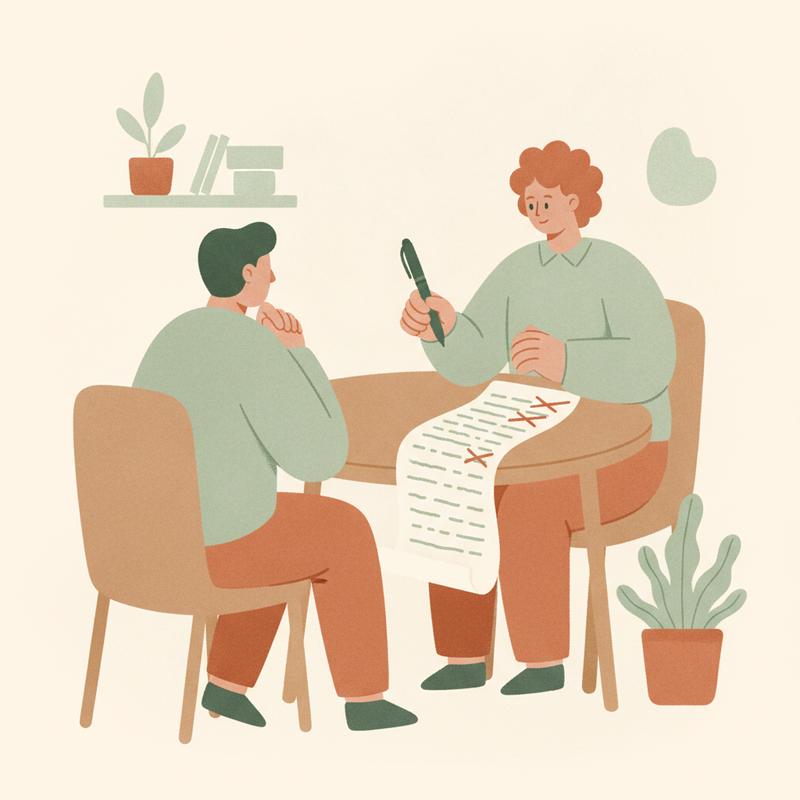
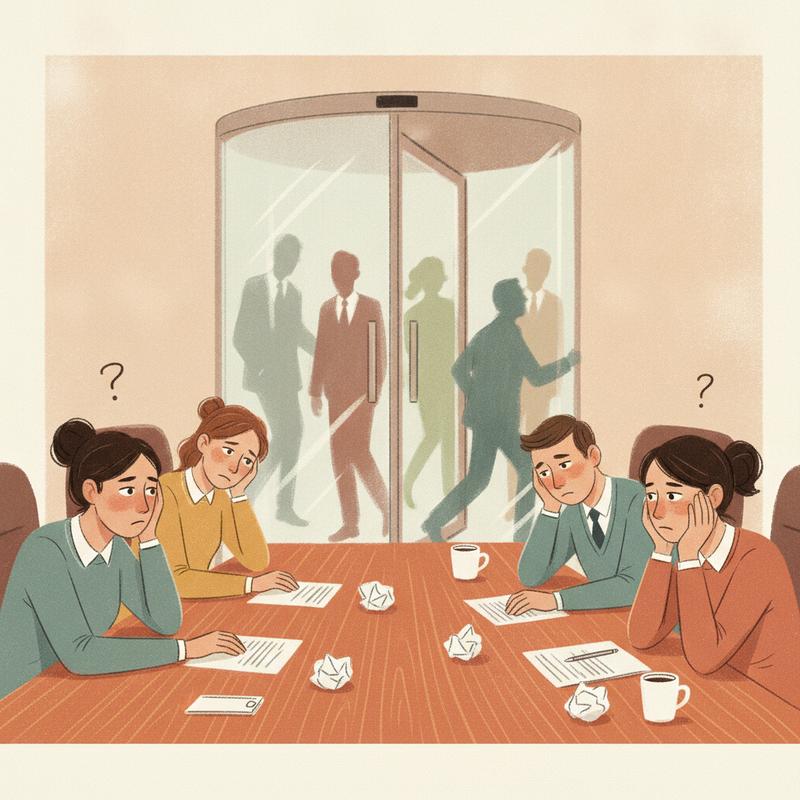
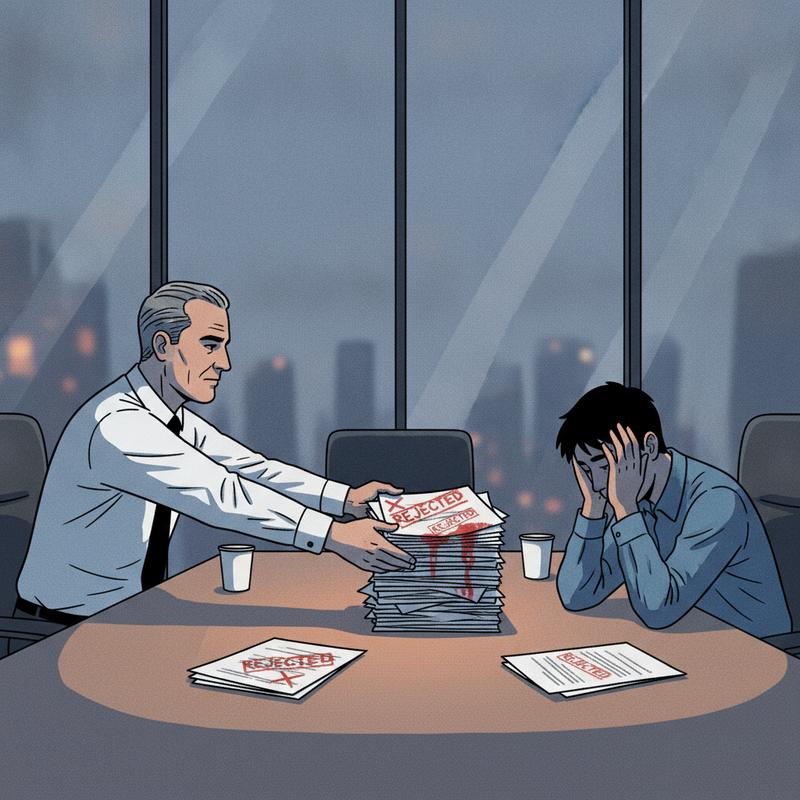
Ack! I've just been made redundant! Now What!?!


My company is going through a vast restructuring, including the division that employs me. They've been faced with some fairly stark budgetary constraints, and have decided a number of jobs need to be trimmed, including mine.

Though less than perfect, this is not, I repeat, is not, in fact, the end of the world. There will be some change certainly, but it's not all doom and gloom! 

Why am I telling you this? Many in our organisation are going through this for the first time, and it can be quite challenging. I've been there before. Both in being made redundant, and in making people redundant. In talking with my colleagues to help them deal with it, I realised this might help others who are going or will go through this at some point in their lives. 

So here are my ten pointers on what to keep in mind if you too are made redundant . . . I hope it helps!

1 - This is not targeted at you.

Don't panic!

It's normal, when a relationship ends, to feel sad, hurt, angry, etc. It's the 7 stages of grief, and it applies to broken relationships of all kinds: bereavement, break-ups, divorces, and, of course, redundancies.

When a restructuring is happening across the organisation, it is not targeted at you. It doesn't mean that anyone thinks you're less of a person, or that you've been doing a bad job, simply that the role you've been performing is going away.

2 - It's a small world.


Most people go through a normal emotional journey to be shocked, hurt, angry, and so on, (again, google the 7 stages).

That is a completely separate journey than the journey you're making in your career. As a professional, you signed on with this company to do good work. Carry on doing it. Get on with the business of doing your job to the best of your ability until the terms of your contract have been met and you're free to work elsewhere.

Most industries are really small worlds in and of themselves. You entered the industry with no reputation and few connections. In most roles, you'll make more connections and create another chapter of your reputation. Over time, you'll see the same faces over and over again. Person A hired you this time. In another life, you might be their colleague. Heck, you might even hire them!

It's a small world. Don't waste time throwing a temper tantrum. Do an honest good job, uphold the terms of your contract, and get on with life.

3 - The company only owes you what's on the contract.


Okay, you're managing your emotional journey, and you're still giving good value to the company...they should see that and give me more money/holiday/equipment/opportunities, right?

Sadly, no.

The company made a deal with you, with the Ts & Cs outlined in the contract you signed when you started.

Change is coming, but not to that contract. Obey it to the letter. 

If the worst happens and the company doesn't, you'll want to know that you kept your side of the deal, so when you go for legal help, you stand the best chance of winning the case.

4 - The company reps are dealing with emotions as well.


Yes, you're on your emotional trajectory...of course you are, you've got a redundancy to deal with.

However, no matter how much you are feeling, can you imagine being on the other side of the table? You have to deal with one redundancy. 

The company reps have to deal with *all* of them. 

They may still have a job, but trust me, they're going through their own emotional trajectory. 

5 - There's always the possibility of future work.


I've seen this happen often...a company grows too big, gets in financial trouble, has a wave of layoffs, then realises they cut too deeply, and brings some back as contractors to handle servicing their current customers.

Contracting can provide a solid income. Lots of people do it. It's a slightly different mindset than a permanent employee, but it's a valid way to work.

Let's say the company has let two people go: James and John. 

James was a model employee, always worked hard, and when told of the redundancies, kept doing his job as long as the contract stipulated, helping the business.

John, though a genius and very good at his job, was "high-maintenance". There was always something that needed work, effort, support from the business for John. When the redundancies were announced, he threw a temper tantrum and didn't do any work up to the day he left.

If you were told to bring one of these employees back on a contract basis to help manage the workload, which would you call first?

6 - What happens now?


The employment contract you signed when you started working at the organisation should detail your rights, work load, payouts, and terms. Print it out, make sure you have completely upheld your side of things.

If there are any disputes, the contract may have terms dealing with how those are solved.

7 - What if it's an awful contract?


It happens. When we first start working, we don't know what to watch out for in a contract. You can be sure that the business knows *exactly* what it's doing when the contract is written, and that the contract is all about protecting the business.

Do the best you can with the contract you have. Take it as a learning experience and move on. 

The time to negotiate a contract is before you sign it...not afterwards. When you're offered your next contract, modify it so that it's no longer a horrible contract BEFORE YOU SIGN IT.

For most, this won't be the last contract you sign. Learn from this experience and do a better job of negotiation next time.

If the company hiring you won't negotiate the contract at all, then think twice about whether or not you want to be working there at all. The prospect of a paycheque looks good...but not if the company is going to treat you unfairly in the end.

8 - Be flexible.


The last job you left was a particular type of job...permanent, contract, part time, full time, etc.

That doesn't mean that the next job you have will be the same type of job. You might become a contractor after having been permanent. You might switch to working full-time rather than part-time. You might find a job working from home. 

When looking for the next role, be flexible. When new opportunities arise, don't say "no", say "it would work if only this, that, and the other thing were different...can we meet in the middle?"
Maybe there's only two days of work. This might be just the opportunity to start up your own business on the side, find a second part-time job, or branch out inside the organisation and take on other roles. You won't get, if you don't ask.
9 - Always flirt with potential jobs.
Over time, as your reputation increases, recruiters will occasionally call you. Always speak to them politely, in a friendly voice. If you're not interested at the moment, say so, but do it politely.
You never know when you'll have to rely on their services to provide you with a new opportunity.
10 - Don't be too serious. 
This is all a part of the game of life. Stuff happens. Roll with it. Laugh at it. Learn from it. Be a better you for the challenges you'll face tomorrow.
Somewhere in this current mess, there's always a silver lining, no matter how thin, you can benefit from and do better when you meet your next challenges.
Remember: You rock! Even in the middle of a redundancy you can show the world just how much. 
If, through a remarkable coincidence, any of you might know of a position for a crazy resourceful Mobile Lead, please feel free to drop me a line at
[email protected]!

¯\_(ツ)_/¯ I don't know

"Dad, why's the sky blue?" 

I confidently told my son: "I don't know." And that's okay, because most people - and even most dads - don't know why the sky is blue.

In IT, though, there seems to be a nagging feeling that we're supposed to know everything under the sky. Problem is, we don't know everything. We can't. It's impossible.

If I'd have told him a made-up reason, he would have eventually caught me out. Far better to admit you don't know something...for now...but that you'll find out.

When you're first studying computers you learn how to write loops, branching instructions, read from and write to files, maybe throw some graphics on screen and do basic maths. This is pretty much where you are fresh out of university. At this level, it's safe to say that you don't know most things. Mistakes are quickly forgiven, as you're usually following the directions of a senior staff member. Your mistakes usually don't have a large footprint on the business.

After a while you've done that for a few different roles and started to see some underlying patterns. Your experience starts to play a role, letting you model new features in your head a little bit better. You start designing for both the current task and maintenance. Meta-programming, if you will. It's more about architecture and procedure than about the individual loops and branches. You know more things, your decisions are more fundamental and affect a larger portion of the codebase. When you make a mistake here in the architecting of the software, your decisions can have wide-ranging implications.

Eventually it dawns on you that Software Engineering is *not* a profit center. That means that we have a pretty sharp responsibility to the business that pays us to deliver software both on time and within budget. We need to use every trick we can find to make this possible (while not compromising the meta-programming above). Of course, your decisions at this point have the widest-ranging impact. Go down the wrong path and the company could spend lots of money trying to change course at a later date.

I haven't even mentioned the specifics of programming...which language, which OS, which targets, etc. All of those need to be learned independently too.

You see, there's a *lot* to learn...no matter where you are in your career. This can lead to imposter syndrome, where you feel you'll never learn enough to be considered truly knowledgeable.

It is terrifying at most companies for an engineer to say those little words: "I don't know". It can take incredible courage. Perhaps the person you're talking to will find out you don't know everything. Perhaps YOU will finally have to admit you don't know everything.

The thing is...how can you ever learn if you can't admit that you don't know?

If you're an engineer and you don't know something, admit it. Out loud. People are going to figure you out pretty quickly if you claim to know something but then show them you do not.

Every single person you're going to speak with today has something to teach you. Your role (whether you know it or not) is to figure out what that thing is. And then work like hell trying to learn it.

I would go so far as to say it is *critical* for the environment of a healthy organisation to accept or even celebrate when an engineer has the intelligence to know when he doesn't know and the courage to admit it in public.

So, for those of you dying to know why the sky is blue (because we all want to know everything), here's the answer: https://spaceplace.nasa.gov/blue-sky/en/

When your son or daughter asks, you can now tell them. They will be as astounded as my son was when I finally was able to tell him.