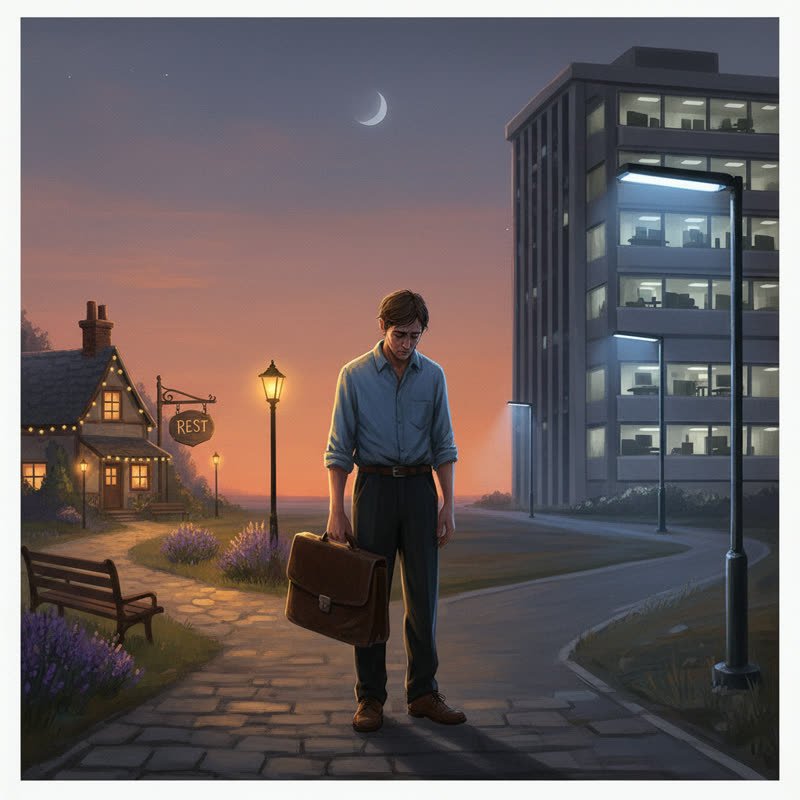
Nobody burns out overnight. It's a series of small decisions compounding, week after week, until your body stops asking for your opinion.
I know because I've been there. The person who wears exhaustion as a badge of honor. The one who checks email before breakfast. The one who says "I'm fine" when asked, because admitting otherwise feels like weakness.
Here's what nobody wants to say out loud: at some point along the way, you made choices. So did I.
That's not the same as saying it's entirely your fault. But pretending you had no agency gets you nowhere.
The Numbers Are Uncomfortable
A 2025 study covered by Forbes reports job burnout at 66%... an all-time high. A separate report from The Interview Guys puts it at 82% of employees. Numbers like those tell you something is broken at a systems level.
And yes, workplaces share blame. Bad leadership. Unrealistic expectations. Poor culture. My research over at Step It Up HR found 99.5% of survey respondents had experienced one or more types of bad bosses in their career. Systems do real damage.
But inside those systems, people make choices every day. To stay late. To skip the gym. To say yes to one more thing. To ignore the ache in their chest. To stay silent.
Those are choices.
Uncomfortable to say. Worth saying.
When I look back at the stretches of my career where I was closest to the edge, I see a pattern. Nobody held a gun to my head. I made trade-offs. Every. Single. Time. And I told myself a story about why each one was necessary.
The Addiction Nobody Names
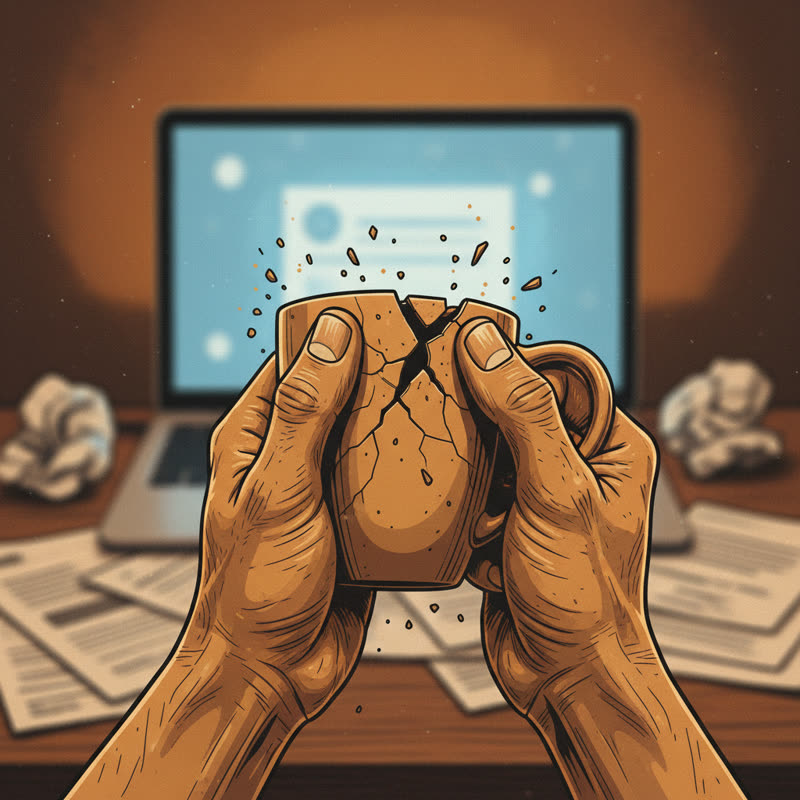
Research from the International OCPD Foundation describes how workaholic behavior is socially acceptable and actively encouraged by employers. The "long hours culture" is real, it's documented, and it's hiding in plain sight.
We have a word for alcoholism. We have treatment programs for drug dependency. But working 70-hour weeks gets you promoted.
The person who leaves on time gets quiet looks. The one who answers email at midnight gets praised in Monday's standup. We've built cultures that reward the addict and shame the healthy.
Workaholism borrows its name from alcoholism for a reason. The compulsion is real. The denial is real. The social reinforcement is real. The difference is your boss hands you a bonus instead of an intervention.
I've led teams while modeling exactly this behavior. When you're the first email in someone's inbox on a Saturday morning, you send a message whether you intend to or not. You normalize it for them. They feel the pressure to match it. They pass it down. The addiction spreads through an org chart faster than any memo about wellbeing.
And the insidious part? It feels good. For a while. The productivity hit. The recognition. The sense of being needed. That's the trap. By the time it stops feeling good, you're already deep in it.
When Your Body Takes Over
At some point, if you ignore enough signals, your body stops waiting for your decision. It makes the decision for you.
A panic attack at your desk. A crying spell you won't explain. A doctor telling you your blood pressure is too high for someone your age. Or the quieter version: waking up and feeling nothing. Not tired, not stressed. Empty.
Your body sends warnings for months before it gets to that point. Little ones at first:
- Trouble sleeping, even when you're exhausted
- Short fuse with no obvious cause
- The Sunday-night dread beginning Saturday afternoon
- Losing interest in things you used to enjoy
Mental Health America lists frequent physical symptoms as key burnout indicators: headaches, digestive issues, muscle tension. Your body speaks before your mind admits anything is wrong.
When I ignored those signals, they stopped whispering and started shouting. And by the time they shout, you've run out of runway. Recovery at that point isn't a lifestyle adjustment. It's a forced stop.
The cruel irony: the more you ignore the warnings, the longer the recovery takes. What would have been a two-week course correction becomes a six-month rebuild.
The Mirror Moment
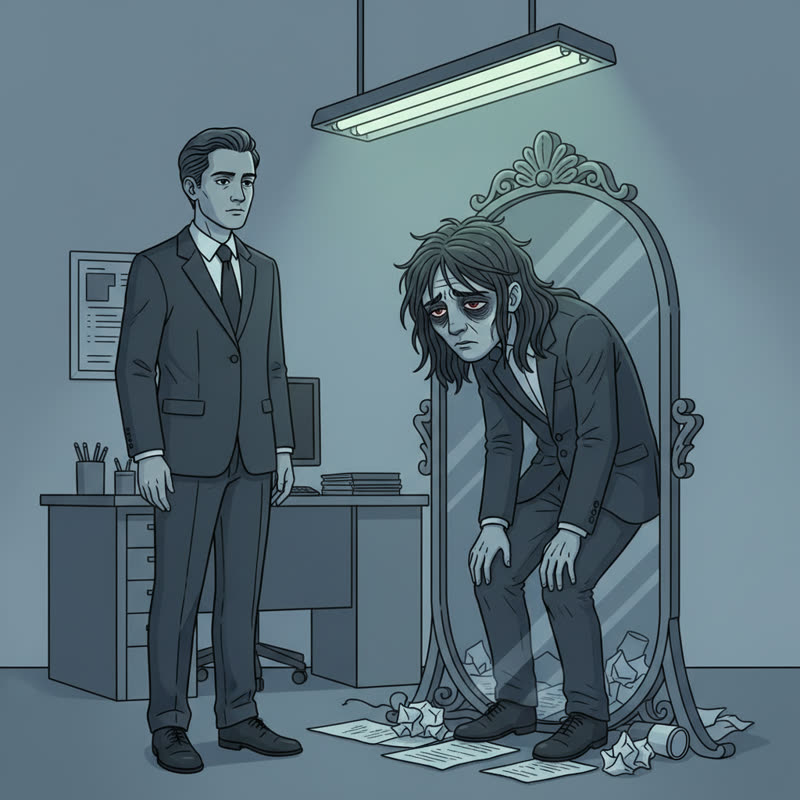
There's a moment I call the mirror moment. When you stop and see yourself clearly for the first time in months.
For me it came after a stretch of relentless travel, back-to-back client work, and six months of poor sleep. I looked in the mirror one morning and didn't recognize the face looking back. The outside was holding together fine. The inside had been running on fumes.
The uncomfortable part wasn't the exhaustion. It was seeing how many small choices had led me there.
The late emails I didn't need to send. The projects I took on because disappointing someone felt worse than burning myself out. The weekends I worked through because it felt virtuous.
Virtue. That's the word we use to dress up self-destruction.
I wonder how many people around me were making the same small choices, stacking them up, telling themselves the same story. The data suggests a lot. Most of them, and most of you reading this, have been there or are there now.
What Doesn't Work
Let's be direct about what doesn't fix burnout: taking a week off and returning to exactly the same conditions.
Research published in ScienceDirect on burnout recovery found the best outcomes when personal agency was high and reinforced by a supportive environment. Translation: you need to change things, not only pause them.
A spa day treats the symptom. What treats the cause is harder and less Instagrammable.
It's saying no to things that don't deserve a yes. That's not a skill people teach you. You have to build it, and it feels wrong at first, every time.
It's building a schedule with actual white space in it... not aspirational white space that fills up by Tuesday. Real gaps. Time you protect.
It's sleeping. Not optimizing sleep. Sleeping.
It's an honest conversation with yourself about what you're running toward and what you're running away from. Those aren't always the same thing, and the answer surprises people.
And sometimes it's leaving. Not every environment is fixable. Some jobs, some cultures, some managers don't want you healthy. They want you productive. Those aren't the same thing, and knowing the difference matters more than you'd expect. If your workplace needs you exhausted to function, that's information.
The Choice, Right Now
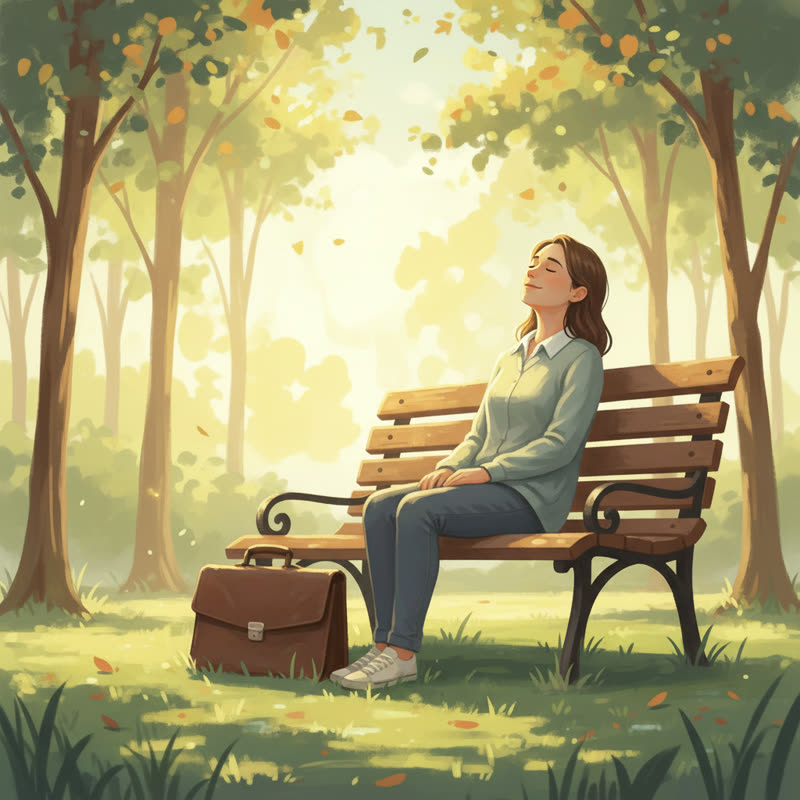
I'm not here to sell you a wellness routine. I don't believe candles fix systemic overwork.
What I believe: you have more agency than burnout culture tells you.
Not unlimited agency. Not blame-yourself-for-everything agency. But enough to notice the choices you're making before your body starts making them for you.
This week there's a wave of social media fatigue running through every platform. People are exhausted by being always-on, always-available, always-reachable. That's not nostalgia for simpler times. That's a collective signal. Burnout culture isn't limited to the office anymore. It's in your phone. It's in your notifications. It followed you home, and most of us let it in.
The question worth sitting with: what is one choice you're making right now that you know isn't sustainable?
Not a list. Not a life overhaul. One thing.
Because burnout doesn't ask permission. But before it gets there, you had a window to choose differently.
The question is whether you'll take it.