When a Gousto meal-kit box lands on my doorstep, I unpack it without much thought. Inside are the onions, the spice sachets and the little recipe cards. At the bottom of every email they send me sits one line: "Proud to be a BCorp, using business as a force for good."
I'd always read straight past it. Then I sat down with an idea from my conversation with Dr. John Blakey, author of Force for Good: the B Corp dividend. Proof doing good pays. So what's your excuse?
I went looking for the proof. I found it. I also found the fine print nobody puts in the email footer.

What a B Corp Is
A Certified B Corporation is a company assessed by the nonprofit B Lab on how it treats workers, customers, suppliers, the community and the environment. The company has to publish its score. It has to write stakeholders into its legal governance. And it has to recertify every few years.
The movement is no longer niche. As of March 2025 there were 9,576 certified B Corps across 102 countries. The UK alone has more than 2,400.
So the question John poses is fair. If thousands of companies have done this, what happened to their numbers?
The Case for the Dividend
Start with the headline figures. In March 2025, B Lab UK published data showing small and medium-sized UK B Corps grew turnover by 23.2% between 2023 and 2024. The national average was 16.8%. B Corps grew headcount by 9.6%. The national average shrank by 0.5%.
Those are big gaps. A skeptic will point out who published them... B Lab, the people who sell the certification. B Corps also choose to certify. Founders who care about this stuff tend to run tighter, more deliberate businesses anyway. The badge might be a symptom of good management rather than the cause of good results.
So I went looking for independent research.
A 2020 study in the journal Sustainability by Paelman, Van Cauwenberge and Vander Bauwhede looked at European firms certified between 2012 and 2018. They used a difference-in-difference design, comparing certified firms against similar firms without the badge. Their finding: certification raised turnover growth, measured one year before against one year after.
There's the dividend. Customers notice. Buyers notice. Revenue follows.
But read the rest of the abstract. They found no significant effect on employee growth or asset growth. The badge moved sales. It did not, on its own, build a bigger or stronger company.
The Case Against the Dividend
Now cross the Atlantic.
In 2019, Ed Gamble, Simon Parker, Peter Moroz and Oana Branzei published a study in Academy of Management Discoveries built on a hand-collected dataset of 249 mostly private North American B Corps from 2011 to 2014. They used the same difference-in-difference approach.
They found the opposite. Certification produced a short-term growth slowdown. The smallest and youngest firms took the biggest hit.
Their explanation rings true to anyone who has run a team. Certification soaks up attention. Somebody has to gather the evidence, rewrite policies, change supplier contracts and sit through the assessment. In a 15-person company, the somebody is the founder, or your best operator. For months, the business points inward instead of at customers.
The researchers called it "attentional deficits and internal organizational disruption." I call it the transformation tax. Every engineering leader has paid it during a big platform migration. Velocity drops before it climbs.
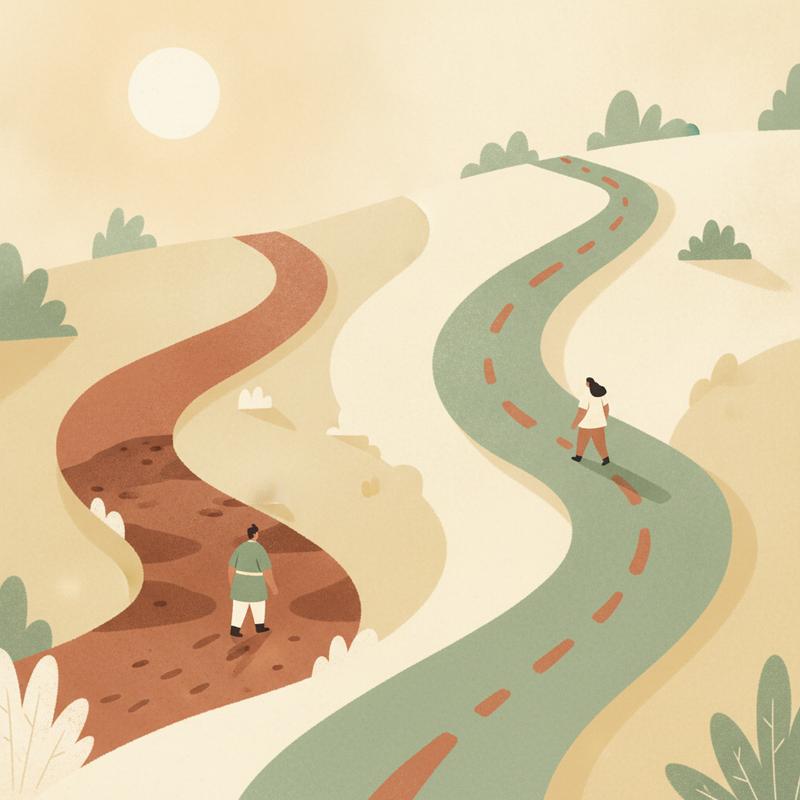
So which study is right? Both, I think. Different continents, different years, different firm sizes. Put them together and the honest version of the dividend looks like this:
- Doing the work costs you first. Expect a dip while your people rebuild how the company runs.
- The market rewards you later. Turnover growth shows up once the badge is visible to buyers.
- The badge alone builds nothing inside. Headcount and assets don't move because of a logo.
Where the Badge Breaks
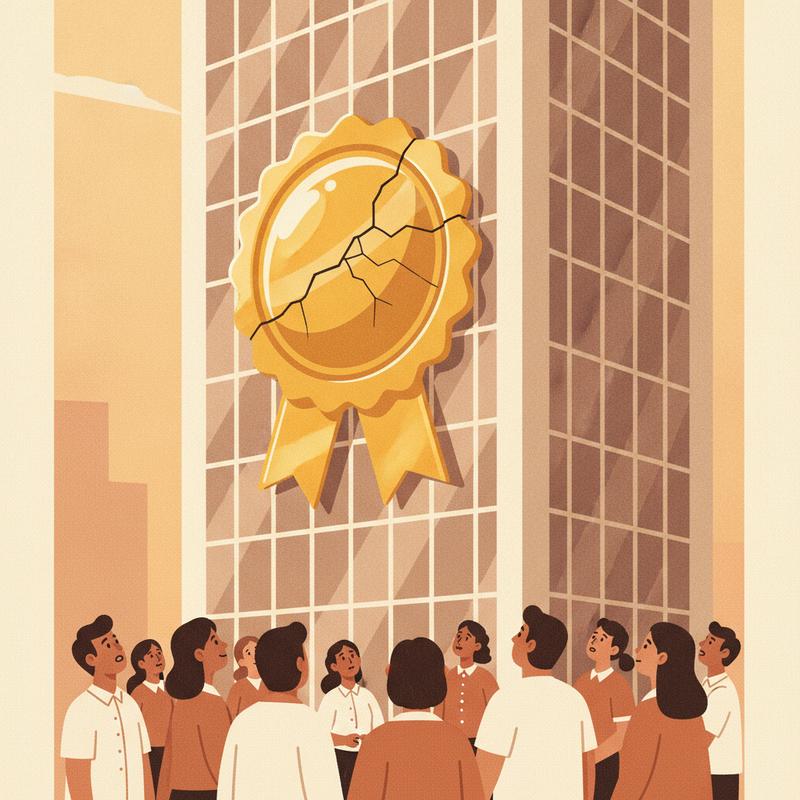
Here's the part B Lab won't put in a press release. The badge is a promise. Promises break.
BrewDog was a certified B Corp. In 2021, current and former staff signed an open letter alleging a culture of fear. In December 2022, the Guardian reported BrewDog had lost the certification. B Lab had asked for additional measures. The board decided against them. James Watt told staff the company would "step aside from our B Corp certification for the time being."
Nespresso went the other way. Nestlé's coffee pod business certified in 2022, and around 30 existing B Corps joined a petition against the decision, according to Wikipedia's summary of the dispute.
Then Dr. Bronner's walked out. The soap maker had held the highest B Corp score in the world at 206.7. In February 2025, after ten years certified, it announced it would leave. Its reason: "The integrity of the B Corp Certification has become compromised and remaining certified now contradicts our mission."
The top scorer quit because the badge stopped meaning enough. Think about what it says when the best student in the class hands back the diploma.
What the Dividend Pays For
Here's where I land, and I think John would agree.
The dividend is real. It does not come from the certificate. It comes from what the certificate forces you to do. You write down who your business serves besides shareholders. You measure how you treat the people who build your product. You put it in governance so the next CEO won't quietly drop it. Then you let outsiders check.
BrewDog had the badge and lost the culture. Dr. Bronner's had the culture and dropped the badge. Only one of those companies has the problem.
This matters for tech leaders as much as consumer brands. Your engineers read Glassdoor. Your enterprise buyers send supplier questionnaires asking about ethics, data handling and environmental impact. Neither group cares about a logo on your website if your on-call rota burns people out or your contracts treat suppliers like an afterthought. Purpose is a practice, not a feeling. The certificate is a receipt for the practice. It is not the practice.
So What's Your Excuse?
John's question was a provocation, and a good one. Most leaders who wave away "doing good" do it because they believe it costs money.
They're half right. It costs money and attention up front. The research says so. Then it pays back in revenue, in hiring, and in trust you won't get any other way.
If you're thinking about certification, here's my advice:
- Budget for the dip. Treat it like a platform migration. Protect a named person's time and expect slower growth for a while, especially if you're small.
- Do the work before you buy the badge. Fix the culture, the pay, the supplier terms. The assessment should confirm what's already true.
- Don't outsource your conscience to a logo. If B Lab's standards slip, yours shouldn't. Dr. Bronner's proved you keep the values without the certificate.
- Ask your people first. Your employees know whether you're a force for good long before any assessor does. I wrote about which wolf you're feeding after my conversation with John. Start there.
The Gousto box will keep arriving with its little line at the bottom. I'll read it differently now. I won't ask whether they have the badge. I'll ask whether they'd still behave the same way without it.
Would your company?