There's a line from Ted Lasso I think about more than any leadership book I own. Someone asks him to explain how everything worked out, and he shrugs: "That's the thing about coincidences. Sometimes they just happen."
I hated it the first time I heard it. I wanted the tidy version. I wanted my own career to have a plan behind it, a throughline to point to and say "see, it was always heading here." It doesn't. Almost none of it was planned. And the older I get, the more I think pretending otherwise does real damage, especially to anyone early in their career who's beating themselves up for not having a five-year plan.
The Lie of the Master Plan
Scroll LinkedIn for ten minutes and you'll find a hundred versions of the same post: "Here's how I planned my path from X to Y." Clean arrows. Deliberate choices. A narrative arc with a moral at the end.
Most of it is written backwards. People don't plan their careers and then live them. They live their careers, messily, and draw a straight line through the mess years later so it reads like a plan. I've done it myself in interviews. "I moved into engineering leadership because I wanted broader impact." True, in the sense it's the sentence making sense now. False, in the sense at the time I had no idea what I wanted and said yes to a conversation because the person asking was kind to me on a bad week.
If you're early in your career without a master plan, you're not behind. You're normal. The people who look like they had one are usually better at editing the story afterward.
Three Coincidences Behind My Career
I left the Army with no plan beyond "get a job." I ended up on a helpdesk because a guy I'd served with mentioned an opening, and I needed rent money more than a strategy. I didn't choose tech. Tech was where the door happened to be open.
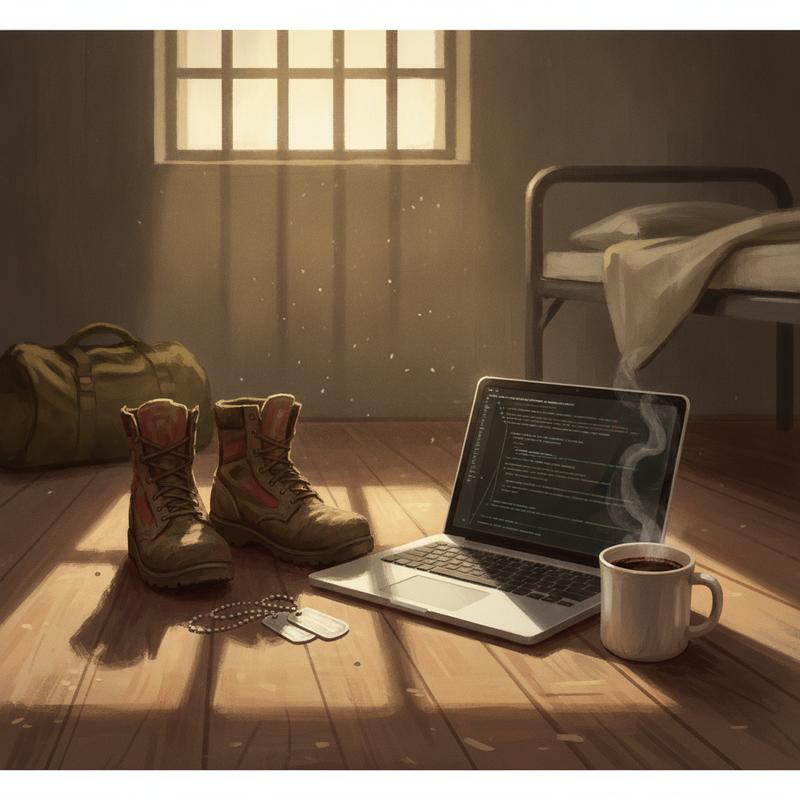
A year or so later, a manager I barely knew pulled me into a project with nothing to do with my job title, because he'd noticed I asked good questions in a meeting he almost didn't invite me to. This project became the reason I got my next role. Not a skill I'd built on purpose. A meeting I almost skipped.
And StepUp2Bat, the company I run now, exists because of an offhand conversation about how badly most companies handle feedback. Not a market analysis. A complaint over coffee turning into "wait, why doesn't a good tool for this exist," which turned into a business.
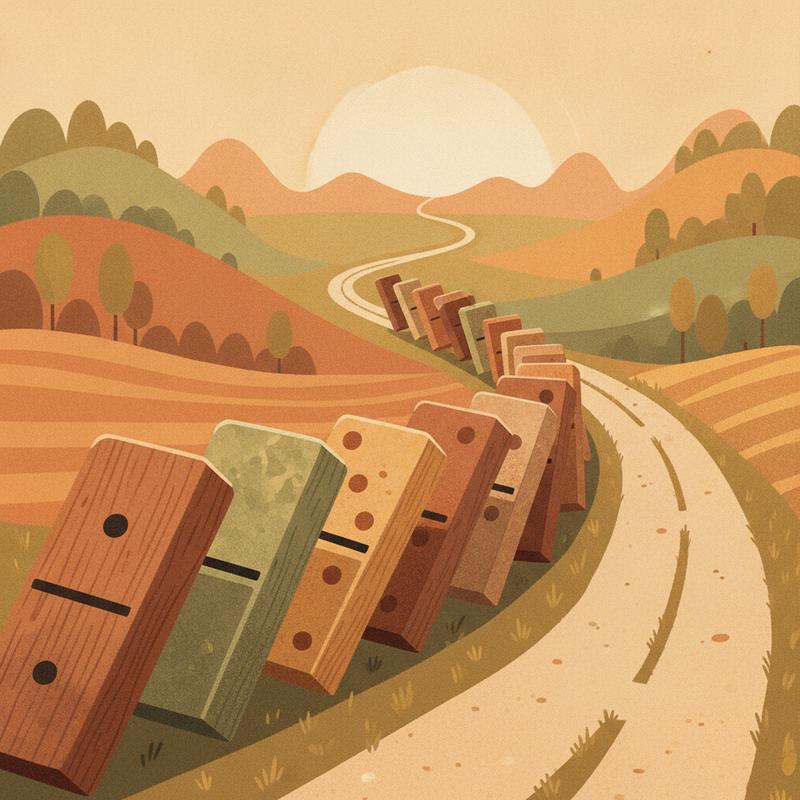
None of these came from a plan I'd have written down. They came from a chain of small, ordinary moments happening to connect. Move any one half an inch and I'm somewhere else entirely, doing something else entirely, telling a different story about how "it was always going to work out this way."
Why This Matters More Than It Sounds Like It Should
Here's the part mattering most for how you lead and how you live: if you believe your success came entirely from a plan you executed, you start believing other people's lack of a tidy path means they're doing something wrong. You get impatient with the engineer still figuring out what they want. You get dismissive of the "lucky break" someone else got, because you've convinced yourself yours wasn't luck, it was strategy.
I wrote before about the research on bad bosses. 99.5% of survey respondents said they've had one or more bad bosses in their career. A good chunk of those bosses, in my experience, aren't cruel. They're people who forgot how much of their own rise came down to coincidence, and now judge everyone else by a standard they never met themselves.
Owning the role of luck doesn't make you less accomplished. It makes you more useful to the people around you, because you stop expecting them to have a map you never had either.
What I Do Differently Because of This
Once you accept how much of your own path came down to timing, you start running your team differently.
In interviews, I stopped rewarding the tidy narrative. When someone tells me their career was one clean line from A to B, I ask about the detour they left out. Everyone has one. The people who admit it, and tell me what they learned from the mess, are usually the stronger hire. The polished story is often a sign of someone editing harder than they're reflecting.
As a manager, I hand out sideways projects on purpose now, the same kind of "this has nothing to do with your role, but come help anyway" invite changing my own path. Not because I have a grand development plan for each person. Because I know the sideways project is often where someone finds the thing they're good at, a thing nobody, including them, had noticed yet.
And when someone on my team gets a break I didn't hand them, a client praising them out of nowhere, a conference slot opening up last minute, I've stopped treating it as separate from "real" progress. It is real progress. Coincidence built half of what I've done. Pretending my team's growth has to come from a formal plan I designed would be dishonest, and it would blind me to the moments genuinely moving people forward.
Showing Up Beats Planning
None of this means don't try. The Army job, the sideways project, the coffee complaint, none of them go anywhere without showing up and doing decent work once the door opens. Coincidence hands you the door. It doesn't walk through it for you.
Here's the actual skill, if there is one: staying open enough, and reliable enough, so when something unplanned shows up, you're in a position to take it. Not forcing a five-year roadmap. Not turning down the sideways project because it isn't on the plan. Showing up, doing the work in front of you, being decent to the people around you, because you don't know which conversation matters yet.
A story went around this week about a grandmother's Christmas ornament breaking and a hidden family time capsule falling out, notes nobody knew were there. Nobody planned this discovery. It only happened because the ornament existed at all, sitting in a box for years, waiting for an accident to reveal it. This is most of what matters in a life. Not the plan. The things kept around long enough for chance to find.
Stop Apologizing for Not Having It Figured Out
If you're early in your career, or mid-career and quietly panicking without a grand design, hear this clearly: neither did I. Neither did most people you admire. What we had was a willingness to say yes to small, unplanned things, and enough decency to be worth including the next time.
You don't need the plan. You need to be the kind of person someone thinks to invite into the room when a door opens. Everything after, as Ted Lasso says, is a coincidence happening.
What's the coincidence quietly behind your career? I'd bet it's a better story than the plan you tell people you had.