I lost an idea back in 2011. Nobody stole it. No boss shot it down. No review committee buried it. I killed it myself, inside my own head, about four seconds after I had it.
The idea was odd. Odd enough to make me look foolish in a room of senior engineers who already had a plan they liked. So I sat on my hands and let the meeting roll where it was rolling. Eighteen months later, a competitor shipped roughly the same thing.
For years I told myself I had been pragmatic. I was not being pragmatic. I was protecting my reputation, and the toll was every new thought having to clear passport control before it reached my mouth.
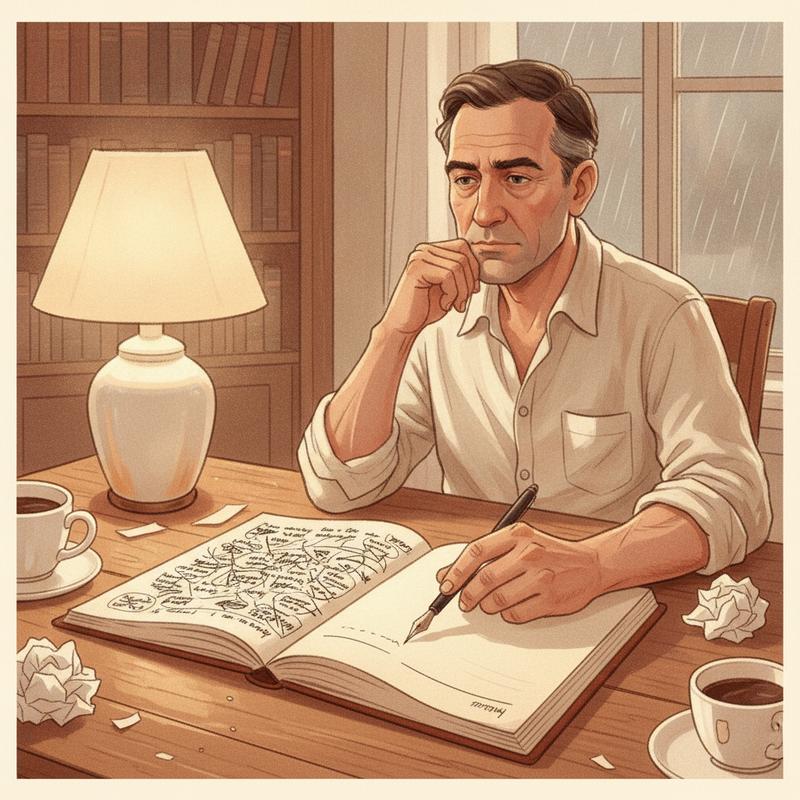
Ego does not look like arrogance
When people hear "ego blocks creativity" they picture the loud one. The person who talks over everyone and signs their name on other people's work.
Wrong picture. In my experience, ego mostly shows up as fear wearing a sensible jacket.
It sounds like this. I have twenty-five years in software, so I should already know the answer. I am the one they brought in to be sure. If I say something half-formed, they will wonder why they hired me. Let me think it through properly first, and I will raise it next week.
There is no next week. The idea goes stale in the drawer where you put it.
Fredrik Haren, the creativity researcher who sat down with Debra and me on Corey-osity Unleashed earlier this year, put it in a way I have not stopped chewing on since. Creativity is not an outward motion. It is an inward one. You are not expressing who you are. You are finding out who you are. And the thing standing in the doorway is your ego, judging and performing and bracing for failure before a single idea gets out.
He told us about a Norwegian rail company turning one of its most embarrassing mistakes into its most prestigious internal award. Think about what an organisation has to believe about itself to do something like this. Nobody hands out a trophy for a cock-up unless they have already accepted they are not perfect. Most companies have never made peace with being wrong. Neither had I.
The research is less flattering than I would like
I wanted the science to let me off the hook. It did not.
Jennifer Mueller, Shimul Melwani and Jack Goncalo ran a study published in Psychological Science in 2012 called The Bias Against Creativity. They primed some participants to feel uncertain, telling them a random lottery drawing might change their payout, then measured word associations. The primed group linked words such as "creative", "inventive" and "original" with negatives like "poison" and "rotten". The unprimed group linked the same creativity words with rainbows and cake. The researchers found the bias went further than dislike... it damaged people's ability to spot a creative idea in front of them.
Sit with the implication. Feeling unsure makes you allergic to novelty at the exact moment you need it. Every person in your meeting saying they want fresh thinking is telling the truth, and every person in your meeting under pressure is quietly filing fresh thinking under threat.
Your best move is the one blocking your better move
Merim Bilalic, Peter McLeod and Fernand Gobet did something cruel and brilliant to chess players. They built positions holding a familiar, decent solution and a less familiar, stronger one, then tracked where the players looked.
The eye-tracking results are the part I cannot shake. Players insisted they were searching the board for alternatives. Their eyes stayed glued to the squares around the move they already knew. With a familiar good solution sitting there, expert performance dropped to the level of players three standard deviations weaker. Experience turned into a blindfold.
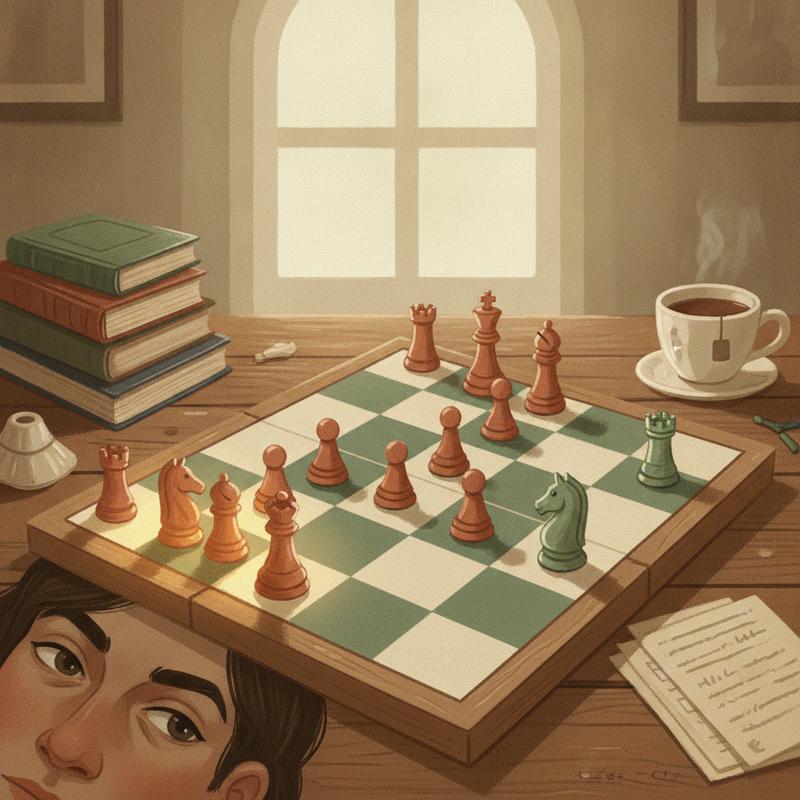
I have been the expert in the chair, certain I was weighing all the options, looking straight at the thing I did last time.
Success narrows you
Here is the one I would tattoo on the inside of every promotion letter.
Pino Audia and Jack Goncalo studied 372 inventors in the hard disk drive industry and published the results in Management Science in 2007. The most successful inventors kept producing. More patents, bigger share of the research budget, all the outward signs of a creative career going well. But each new patent looked like the one before it. They drilled deeper into one narrow seam. The less successful inventors filed fewer patents, and those patents ranged wider.
Winning taught them what works, then taught them to keep doing it.
The authors name two remedies as collaboration with other inventors and organisational norms pushing exploration. I would say it plainer. Somebody has to be in the room who does not care about your track record.
What I do differently now
I am not cured. I am managed, like a bad knee.
I say the half-formed thing. Out loud, labelled as half-formed. "Here is a rough one, feel free to shoot it." The label costs me nothing and buys the idea a hearing. Nine in ten are rubbish. The tenth pays for the other nine.
I write the idea before I judge it. Two columns, minutes apart. Generating and evaluating are different jobs, and doing both at once means your inner critic eats your material while it is still raw.
I take the idea nap. Fredrik's term, and I use it. Stop working the problem. Go for a walk, wash up, stare out of the window. My best thinking has never once arrived while I was clenched at a desk. It turns up in the shower, which is the least dignified filing system in the world and the most reliable one I have.
I ask the newest person first. Not out of politeness. The newest person has not yet learned which of our sacred cows are electrified. Ask the veterans first and the room converges before the good stuff surfaces.
I sit still for five minutes. This was Fredrik's challenge to our listeners and I braced against it hard. Not meditation for wellness. Meditation to put a little distance between you and the voice narrating your competence all day. Five minutes. I manage it three days out of seven, on a good week. Those three days are noticeably better.
The uncomfortable question
I keep coming back to a version of the same question, and I will hand it to you.
What did you think of this week, decide against saying, and then watch somebody else say out loud two months later?
Not the ideas you fought for and lost. Those are fine. Losing an argument means you were in it.
I mean the ones never leaving your skull. The ones your ego quietly binned to protect a reputation nobody was attacking. Count them honestly, and you will find they outnumber every idea ever killed by a bad boss, a tight budget or a full calendar.
Mine did. I have made my peace with it as a standing weakness rather than a solved problem, which is why I still say the half-formed thing before I have the sense to stop myself.
Go say yours.