I've cracked a wing tip on landing. I've had a paramotor engine cough at 200 feet and had to pick a field fast, with maybe ten seconds to choose which hedge I wasn't going to hit. I've made calls in the Army that went sideways, and a few times they did. None of it ever got me fired. Most of it made me better at the next decision.
Nobody in either world sat me down afterward and handed me a written warning. They asked what happened, what I'd do differently, and then they let me fly again.
Compare it to the last time you watched someone screw up at work. What happened to them?

The Reflex to Punish
Roland Butcher, the cricketer and coach, put it simply: in fast-paced games and business, you have to let people take risks, and sometimes fail. I'd go further. If nobody on your team has failed publicly in the last quarter, you don't have a high-performing team. You have a team that's stopped trying anything interesting.
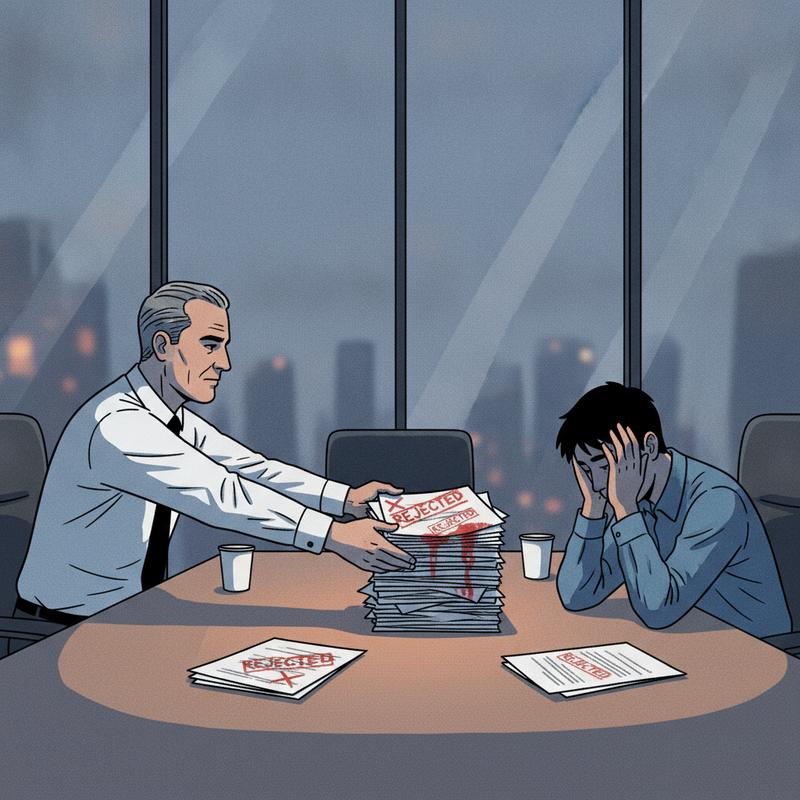
Most companies don't reward the inventive and the reckless. They punish them. Someone tries something new, it doesn't work, and the story that spreads isn't "she tried something bold." It's "she's the one who screwed up the Q3 launch." Six months later she's still explaining it in interviews.
This reflex to punish is expensive. Research from a 2025 Gallup engagement survey found only three in ten employees strongly agree their opinions count at work. Three in ten. This is not a culture problem you fix with a poster in the break room. It's a leadership problem, and it starts with how you treat the last person who took a swing and missed.
Amy Edmondson's research on psychological safety, going back to her original study of hospital teams in the 1990s, found something to terrify risk-averse managers: the higher-performing teams reported more errors, not fewer. Not because they made more mistakes. Because they felt safe enough to admit them. The low-performing teams were hiding theirs.
The Center for Creative Leadership studied nearly 300 leaders over two and a half years and found teams with high psychological safety reported better performance and less interpersonal conflict. They also found something less comfortable: 62% of senior leadership teams showed major disagreement among their own members about whether psychological safety even existed there. The boss thinks it's fine. Half the room doesn't.
What the Army Got Right
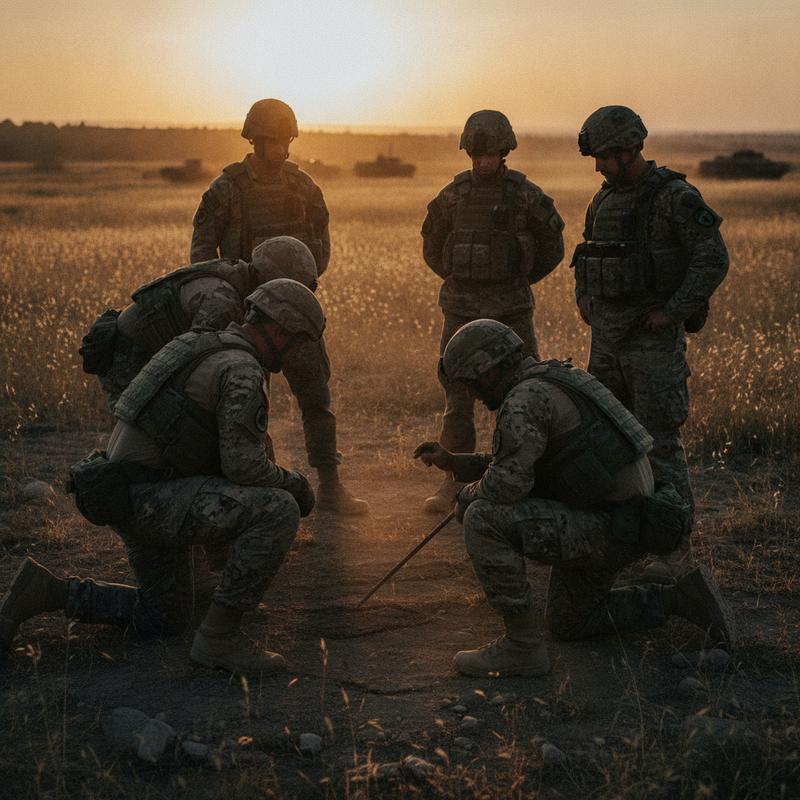
The Army has a tool I still use, mentally, decades later: the After Action Review. You run an operation, then sit in a circle and answer four questions. What was supposed to happen. What happened in reality. Why was there a difference. What are we going to do about it next time.
Nobody gets fired in an AAR. It's the whole point. Rank comes off for twenty minutes. The private who spotted the problem gets to say so to the officer who caused it, and the officer has to sit there and listen. It's not comfortable. It's not supposed to be. It's supposed to be useful.
Compare it to the corporate postmortem, if your company even runs one. Half the meeting is spent making sure nobody's name ends up in the notes. The other half is spent softening language so legal doesn't flinch. By the time it's over, you've protected everyone's feelings and learned nothing.
Harvard Business Review's research on psychological safety backs this up directly: leaders who reframe a screwup as a shared learning problem instead of an individual competency test get better results. Instead of "how did this happen," try "thanks for catching it, how do we fix it." Same mistake. Completely different team six months later.
Reward the Reckless, Sometimes
I'm not saying give a bonus to the guy who torched the production database because he "wanted to see what would happen." Reckless isn't the same as careless. There's a difference between someone who took a calculated swing and missed, and someone who ignored the guardrails because rules are for other people.
The reckless I mean is the one who tried the idea nobody approved because getting approval would have taken three weeks and the market wouldn't wait. The one who pitched the client something unconventional because the safe pitch was going to lose anyway. The one who said the uncomfortable thing in the meeting because staying quiet felt like the coward's move.
I wrote about this from the other direction on Step It Up HR: 4 Ways to Turn Mistakes into Learning Moments. The short version: how you react to the first mistake decides whether anyone brings you the second one.
Silicon Valley likes to slap "fail fast" on a poster and call it culture. Then someone falls short, and the poster comes down along with their badge. A slogan isn't a system. The Army's AAR is a system, because it happens every single time, win or lose, with no exceptions for rank or ego.

Steal the Army's Playbook
You don't need a uniform to run this. You need four questions and the discipline to ask them every time, not just when something blows up big enough to notice.
What was supposed to happen. Say the plan out loud before anyone starts arguing about the outcome. Half of workplace blame comes from people quietly disagreeing about what the goal even was.
What happened in reality. Facts only. No blame, no credit, just the sequence of events everyone can agree on. This is the step most meetings skip straight past.
Why was there a difference. Not "who." Why. The moment someone's name enters this sentence, people stop talking and start defending.
What are we doing differently next time. One or two concrete changes, not ten. A list of ten fixes means nobody does any of them.
Run it in fifteen minutes, right after the thing happens, while the details are still fresh. Not three weeks later in a retro nobody prepared for.
The Question That Matters
Next time someone on your team takes a swing and misses, watch what you do in the first sixty seconds. Do you reach for blame, or do you reach for the four Army questions? What was supposed to happen. What happened in reality. Why. What now.
That's the whole leadership job, right there. Not avoiding the crash. Deciding what happens after it.
I think about the field I picked that day every time I watch a manager reach for a write-up form instead of a conversation. The pilot who cracks up on landing and gets back in the harness the next weekend becomes a better pilot than the one who never flew in weather. The employee who takes the swing and misses, and gets an honest AAR instead of a paper trail, becomes the person you want running point on the next hard problem. The one who gets buried in blame just learns to stop swinging.
So. Who on your team took a real risk this year, and how did you treat them when it didn't work out?