You've heard a manager say it. I've heard it more times than I remember. "Nobody is irreplaceable."
They usually say it as if it's hard-won wisdom. A grown-up truth about business. And on a spreadsheet, it's correct. Roles get backfilled. Work gets redistributed. The org chart heals over the gap within a quarter.
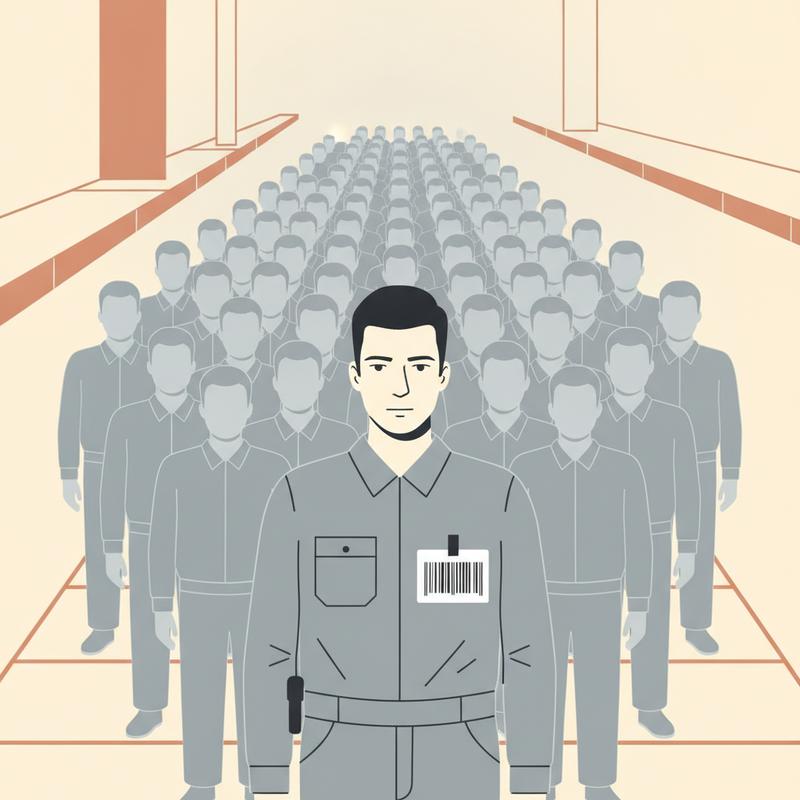
Here's the problem. People hear it. And when people believe they're replaceable, they start acting replaceable.
The Line I Keep Coming Back To
Earlier this year, Debra and I had Zach Mercurio on Corey-osity Unleashed (Season 2, Episode 6). Zach researches what he calls "mattering"... the experience of being significant to the people around you.
He put it plainly in his writing on mattering at work: "When people feel replaceable, they act replaceable. They won't show up. They won't commit." And the flip side: "When people feel irreplaceable, they act irreplaceable."
I've read a lot of leadership advice. Most of it blurs together. This one stuck, because I've watched it play out on both sides of the desk.
If someone feels like a number, they'll leave the moment a slightly better hourly rate shows up down the road. Why wouldn't they? You told them, in a hundred small ways, the relationship is a transaction. They're taking you at your word.
Replaceable People Don't Quit Loudly
The damage doesn't start with a resignation letter. It starts months earlier.
The engineer stops pointing out the flaw in the design, because nobody listened last time. The support rep follows the script exactly, even when the script is wrong for this customer. The team lead stops mentoring the new hire, because why invest in a place which doesn't invest in you?
None of these people are lazy. They've done the math. If I'm a cog, I'll behave like a cog. Cogs don't take initiative. Cogs don't raise their hand. Cogs do what the machine asks and nothing more.
Zach's article cites global surveys finding close to 43% of employees feel "invisible". Think about your own team. If the number holds, four people in every ten are sitting in your meetings feeling unseen.
And the trend isn't improving. Gallup's 2025 engagement data shows only 31% of US employees are engaged, down from 36% in 2020. Among Gen Z and younger millennials, the share who strongly agree "my supervisor, or someone at work, seems to care about me as a person" fell from 54% in 2020 to 41% in 2025.
Your youngest workers, the ones you'll depend on for the next thirty years, feel less cared for every year.
It's Not About the Money
Leaders love to believe people leave for pay. It's a comforting story, because pay is a budget line, not a character flaw.
The data says otherwise. When MIT Sloan researchers analyzed 34 million online employee profiles and 1.4 million Glassdoor reviews, they found a toxic corporate culture predicted attrition 10.4 times better than compensation did. Workers feeling disrespected sat right at the heart of their definition of toxic.
I noticed a related story trending on Reddit this week. Fortune reported the number of Amazon workers on food stamps in the sampled states has nearly tripled since 2020, in a period of record revenue. Pay matters, of course. But read the comments on threads like those and the anger isn't only about wages. It's about what the gap says. You're a cost. You're interchangeable. We'll find another one of you.
My own research into bad bosses found 99.5% of survey respondents had experienced one or more types of bad boss. In my experience, a lot of bad bosses aren't cruel. They're indifferent. They treat people as fungible units of labor. Indifference is the fastest way to make someone feel replaceable.

"Toxic" People Who Feel Unseen
One moment from our conversation with Zach still rattles around in my head. He reframed "toxic" employees as people who feel unseen.
The easy response is to push back. Some people are difficult. Full stop.
But think about the difficult people you've managed over the years. The ones who argued in every meeting. The ones who went quiet and did the bare minimum. How many of them were acting out because they'd concluded nobody would notice if they vanished tomorrow?
More than most of us would like to admit.
Zach told a story on the episode about a journalist who asked her daughter a simple question: "When you feel you matter to me, what am I doing?" The answer wasn't a holiday or a gift. It was the quiet drive to school. Ordinary time, with attention.
Your team works the same way. They don't need a trophy. They need proof you see them.
The Three Things Irreplaceable People Feel
Zach breaks mattering into three experiences. I find this useful, because it turns a fuzzy idea into things you do on a Tuesday.
1. Noticed
People need to feel seen and heard. Not "great job, team" in a group email. Specific attention to them as an individual.
Try this: in your next one-on-one, ask about something they mentioned two weeks ago. Their kid's recital. The bug they were wrestling with. The fact you remembered says more than any recognition platform.
2. Affirmed
People need to know their particular strengths make a particular difference. Generic praise doesn't do it. Tell them what they did and why it mattered.
"Thanks for the report" is noise. "Your note about the billing edge case saved us from shipping a bug to 4,000 customers" tells someone they're not interchangeable. Nobody else caught it. They did.
3. Needed
People need to know the team would suffer without them. This is where "nobody is irreplaceable" does the most harm, because it's a direct attack on this one.
Ask for help. Seriously. Go to the quiet person on your team and say, "I'm stuck on this, and you're the one who understands it best. What would you do?" Watch what happens to their posture.

But Isn't Everyone Replaceable?
I know the objection. I've made it myself.
The business has to survive anyone leaving. Succession planning is responsible. Nobody should hold a company hostage.
All true. And none of it requires you to tell people they're disposable.
There's a difference between building a resilient organization and building a culture where people feel like spare parts. Document the processes. Cross-train the team. Plan for departures. Then turn around and treat every individual in front of you as the only person who brings what they bring.
Because they are. The role is replaceable. The person isn't. The next hire won't have the same judgment, the same relationships, the same instinct for which customer is about to churn. You'll get someone different. Perhaps someone good. But never the same.
Zach made another point on the episode which stays with me. Hurry and care don't coexist. Most managers aren't cold. They're rushed. And rushed managers skip the thirty seconds of attention which tells someone they matter.
Your Move This Week
Pick one person on your team who has gone quiet. Not the star. Not the loudest voice. The one you'd struggle to describe beyond their job title.
Then do three things before Friday:
- Notice something specific about their work and tell them.
- Affirm the difference it made, in concrete terms.
- Ask for their help with something where their knowledge is the best on the team.
It'll take you ten minutes, total.
As Zach put it, "People add value because they feel valued." So here's the question worth sitting with: if someone on your team walked out tomorrow, would they believe you'd notice?