Lovable says people have built 60 million projects on its platform.
Sixty million. Those apps draw 900 million visits a month, according to TechCrunch's August report on Lovable's $400 million Series C. The round valued the Stockholm company at $13.3 billion, double the $6.6 billion price from eight months earlier.
My first reaction was the usual one. Is all this building good, or is it noise?
Then I stopped. I'm in no position to judge 60 million strangers. I haven't counted my own pile.
So I counted.

My Count
I run a small server at home. It hosts my apps with Dokku, the same box serving this page.
This morning I asked it for a list. It came back with 79 apps.
A few of those are tools other people wrote. Authelia guards the logins. Gatus checks whether things are up. Vikunja holds a task list. Fair enough. Most of the rest are mine.
Then I looked at my laptop. My Developer folder holds 15 git repositories. Eleven of them have commits co-signed by Claude. I didn't write those apps alone, and I won't pretend I did.
Here's what the commit history says:
- This website: 544 commits since 17 March 2026. The last one was this morning.
- A recipe app: 49 commits in six days, 9 to 14 March. Nothing since.
- Three small business tools: three commits each, all on 1 March. All three still running on the server. All three untouched for nearly nine months.
- Everything else: a burst of work, then quiet.
One project in fifteen got a commit this month. One.
I didn't expect the number to sting. It did.
I'm a vibe coder with a graveyard. And the graveyard still pays rent in disk space and memory.
Speed Was Never the Hard Part
I wrote earlier this year about how the barrier to building has collapsed. I stand by it. A weekend is enough to ship something real now.
My pile proves the point. Seventy-odd apps, built in the gaps around a full life.
But look at what the speed bought me. It bought me starts. It didn't buy me finishes, and it didn't buy me users.
The recipe app is a good example. Six days of intense work. Point your phone at a recipe card, it reads the card and saves it. I was proud of it. I haven't opened the repo since March.
Nothing broke. Nobody complained. I moved on, because the next idea arrived and the cost of starting it was close to zero.
When starting costs nothing, you start everything. And when you start everything, you finish almost nothing.
What the One Survivor Has
So why did this website survive when the others went quiet?
I've thought about it this morning, and I see three differences.
It has a reason to exist outside my head. People read it. I use it to say what I think about leadership and tech. It serves a purpose I'd hold onto even if the tools disappeared tomorrow.
It has a rhythm. Posts go up on a schedule. The schedule forces me back to the code when something breaks or needs a new feature. The other apps had no schedule. They had a mood.
It has an owner who shows up. Me. Every day. The other 78 apps have an owner on paper. In practice, nobody tends them.
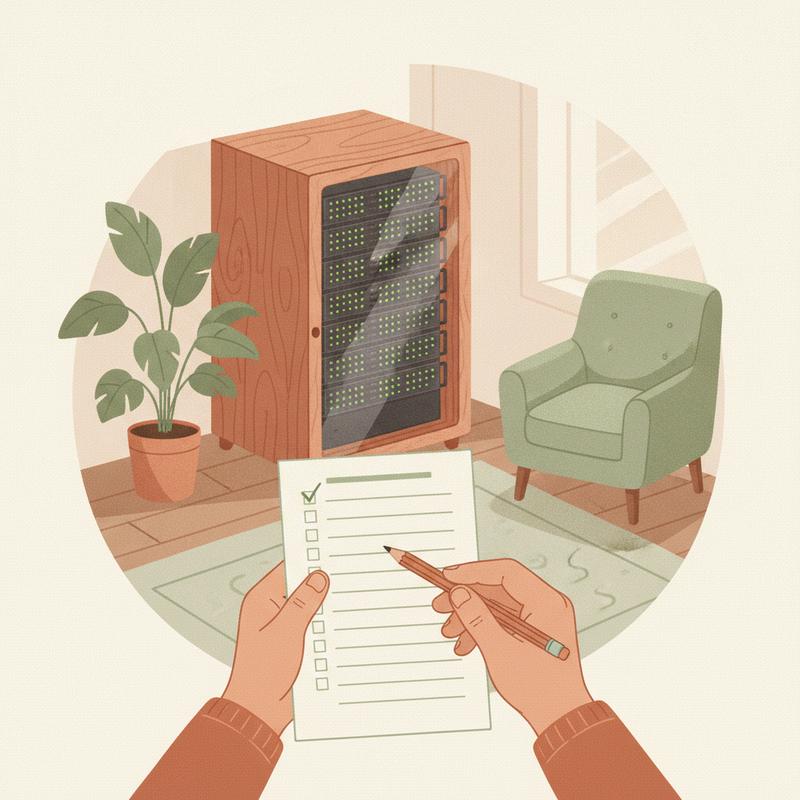
None of those three things came from the AI. The AI wrote code fast for all fifteen projects. It wrote code fast for the dead ones too.
Intention came from me. Or it didn't come at all.
What I Think About the 60 Million
So, back to Lovable's number. Good or bad?
I think it's both, and I think the split looks like my folder.
My bet is somewhere in those 60 million projects sit thousands of tools people use every day. A bakery's ordering page. A club's sign-up form. A dad's tracker for his kid's medication. Those matter. Before tools like this, most of them would never have existed.
The rest look like my workbench. Boxes opened with enthusiasm and left on the bench.
I'm not sure about this part: Lovable hasn't published how many of those 60 million projects get used after their first month. I looked and couldn't find the figure. The 900 million monthly visits tell you some apps get traffic. They don't tell you how the traffic spreads across the pile. My guess is a small share of projects take most of the visits, the same as on my server. I'd love to see the real number.
I don't think the dead projects are a waste. Building teaches you things, even when the thing you built goes quiet.
The waste is in pretending a start is a finish. And in leaving dead things running because you never decided they were dead.
The Question I Ask Now
Here's the change I'm making, and the one I'd suggest to you if you build with these tools.
Before I start a new app, I ask one question:
Who will use this in six months, and how will I know?
Six months is long enough for the novelty to wear off. It's short enough to picture the person using it.
If the answer is "me, every week," good. Build it. If the answer is "a client who asked for it," good. Build it. If the answer is a shrug, I write the idea down and wait a week. My guess is most ideas won't survive the week. The ones worth building will come back.
I'm also going down the list of 79 apps this week and asking each one the same question. Anything without an answer gets switched off. Not deleted. The code lives in git. Switched off.
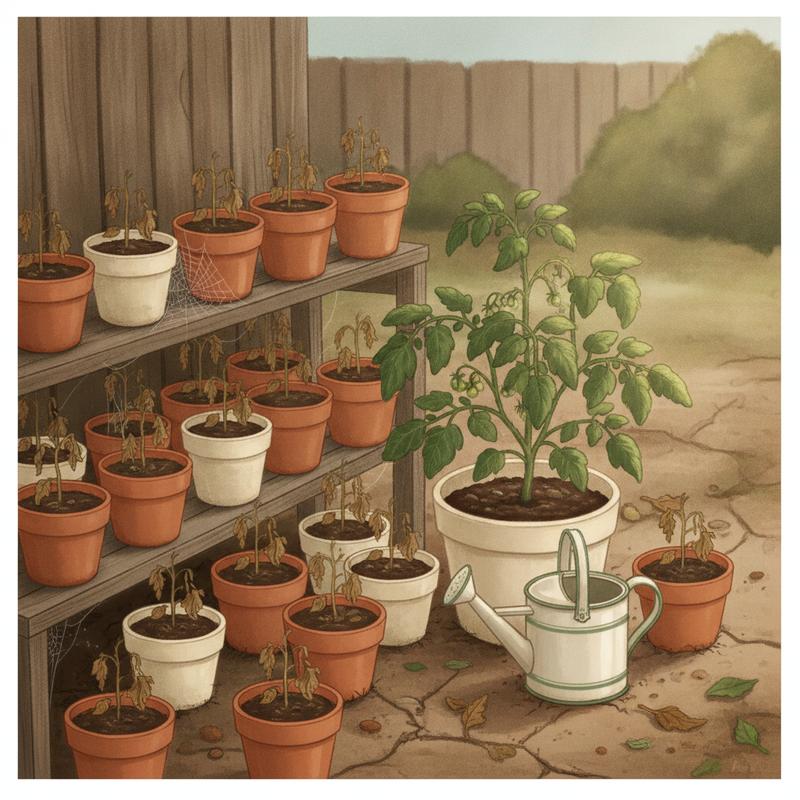
Velocity Isn't the Point
I've led engineering teams for a long time. The best teams I worked with never measured themselves by how much they started. They measured themselves by what they shipped, what people used, and what they kept healthy.
AI coding tools changed the first number. Starting got cheap. They didn't change the other two. Users still need a reason to come back. Software still needs someone who cares enough to tend it.
Lovable's investors are betting on the starts. Your users only care about the finishes.
The tending was always your job. It still is.
So here's my challenge. Open your own folder, or your Lovable dashboard, or your Replit account. Count your projects. Then count the ones somebody used this month.
What's your ratio? And which of the dead ones are you still paying to keep alive?