The guy who owns the room
You know him. He walks into the meeting and the temperature drops. He speaks first, speaks longest, and repeats himself until nobody pushes back. Somewhere along the line someone called him an alpha, and he liked it so much he built a whole personality on it.
I have watched men like him run good teams into the ground for decades. He believes dominance is leadership. He read it somewhere. He heard it on a podcast. Wolves do it, so it must be nature, right?
Here is the problem. Wolves do not do it.
The science was wrong, and the scientist said so
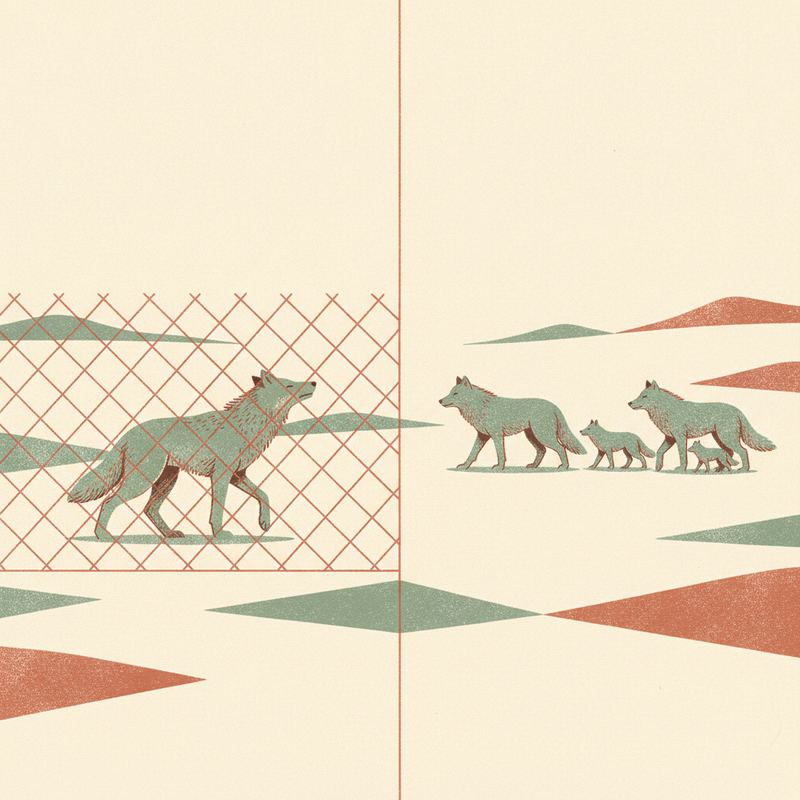
The alpha wolf idea came out of studies of wolves in captivity in the middle of the last century. Unrelated animals, penned together, competing over food they never hunted. Under those conditions they fought. A hierarchy formed. Researchers wrote it down as wolf nature.
Biologist L. David Mech popularized the language in his 1970 book The Wolf: Ecology and Behavior of an Endangered Species. Alpha. Beta. Omega. The words escaped into business books, sales training, dating advice, and about nine million LinkedIn posts.
Then Mech went and watched wolves in the wild.
His multi-year study on Ellesmere Island, published in the Canadian Journal of Zoology in 1999, found something else entirely. Wild packs are families. A breeding pair and their offspring. No one fights for the top spot because there is no top spot to win. There are parents, and there are kids.
Mech then spent decades trying to undo his own work. He asked his publisher to stop printing the book, and in 2022 they finally did. On his own site he writes: "The concept of the alpha wolf is well ingrained in the popular wolf literature, at least partly because of my book." He recommends dropping alpha for plainer words. Breeding male. Breeding female. Male parent. Female parent.
He put it sharper to Scientific American: "What would be the value of calling a human father the alpha male?" A wolf father is a father. Nothing more.
So the whole model rests on captive animals. Strangers, forced together, fighting over scarce resources, with no way out.
Sound familiar?
Your office is the enclosure
Here is the uncomfortable bit. If your workplace behaves like a dominance hierarchy, the wolves are not the explanation. The cage is.
Put strangers in a pen. Make the rewards scarce. Remove the exit. Reward whoever grabs the most. You get precisely the behavior those researchers recorded in the 1940s. Not nature. Captivity.
Every organization I have walked into where "alpha" was a compliment had the same wiring underneath. Forced ranking. One promotion shared between eight people. Bonus pools sized so somebody has to lose for somebody else to win. Leaders who treat information as currency and hand it out in slivers.
The behavior is not a personality problem. It is a design problem. You built the pen, then blamed the animals inside it.
We keep promoting the wrong signal
The alpha myth survives because it flatters the people doing the promoting.
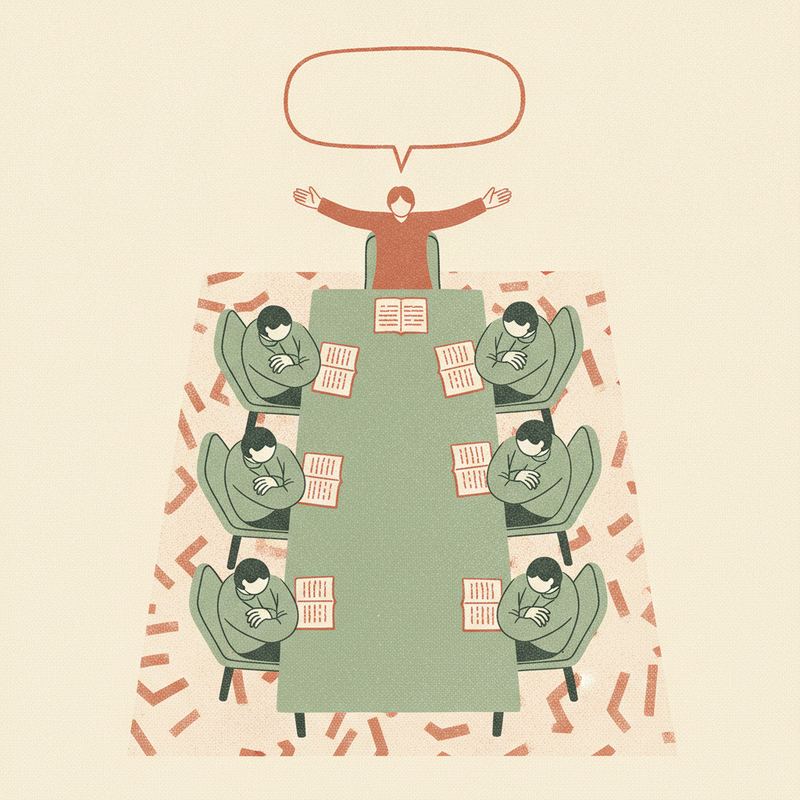
Tomas Chamorro-Premuzic has spent years on why the wrong people reach the top. His answer is blunt. We mistake confidence for competence. As King's College London summarizes his work, organizations should "stop interpreting displays of overconfidence, narcissism, psychopathy, and charisma as a sign of leadership potential."
Read the list again. Overconfidence. Narcissism. Psychopathy. Charisma. Every one of those traits shows up in a forty-minute interview. Patience does not. Neither does the willingness to sit with a struggling engineer at 4pm on a Friday. So we hire the signal we spot, then act surprised at what we get.
And what do we get?
Gallup's State of the Global Workplace research says global employee engagement fell to 20% in 2025, down from 21% the year before. Manager engagement sits at 22%, a nine-point drop since 2022. Gallup prices low engagement at around $10 trillion in lost productivity, roughly 9% of global GDP.
Ten trillion dollars, burned by people convinced they are apex predators.
My own survey work found 99.5% of respondents have suffered one or more types of bad boss. Not 60%. Not 80%. Effectively everyone. We have normalized something we all hate.
What parents do instead
Strip the alpha language away and look at what wild wolf parents do.
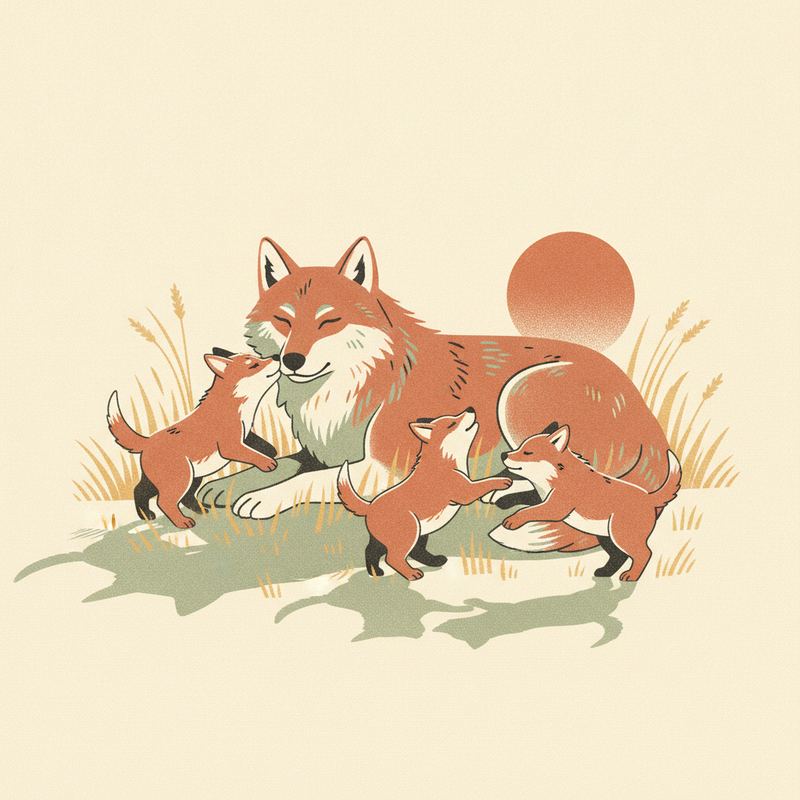
They feed the young first. They teach by doing, over and over, until the skill sticks. They take the dangerous end of the hunt themselves. And when the yearlings are ready, they let them go.
Wild packs break up. Young wolves disperse and start families of their own. Nobody calls it disloyalty. Nobody counts it as a failure of retention.
Compare this with the manager who hoards talent, blocks internal moves, and treats a resignation as a personal insult. Compare it with the leader who takes the safe end of every hunt and sends the team into the risk.
The best boss I ever had treated my leaving as a win. He had been getting me ready for it the whole time and never once pretended otherwise. Years later I still hear his questions in my head when I face a hard call. Nobody remembers the loudest person in the room. Everybody remembers the one who made them better.
Four things to do on Monday
Drop the word. Alpha, beta, sigma, whatever the internet invented last week. The language is borrowed from a retracted study. Using it marks you as someone who stopped reading in 1974.
Audit the pen, not the people. Where do your structures force people to compete over something artificially scarce? Ranking curves. Single-winner bonus pools. One headcount for two deserving candidates. Fix the scarcity and watch how quickly the snarling stops.
Promote for what you want more of. If your last three promotions went to the three loudest voices, you have told everyone else exactly what the game is. They heard you.
Ask the question. Kul Mahay, who came up through policing before moving into leadership work, argues the real measure of a leader is one question: do my people trust me? Not "do they fear me" or "do they defer to me." Trust. Ask it out loud, then sit through the silence while people work out whether honesty is safe.
The pack was never the point
Mech has spent his later career correcting a mistake he made in 1970. He wrote the book, he got the science wrong, and he has spent the rest of his career saying so in public. He got his own bestseller pulled from print.
Set this against your average alpha in the corner office, unable to admit a wrong call in a Tuesday standup.
The real lesson from wolves was never about dominance. It was about a family unit where the adults hunt for the young, teach them everything they know, and celebrate the day they leave.
Which one are you running... a family, or a cage?