You know the type. The manager who sends flowers when someone's sick. The one who stays late to help a struggling team member. The one who asks "how are you doing?" and means it.
And the one who watches a direct report slowly derail their own career... and says nothing.
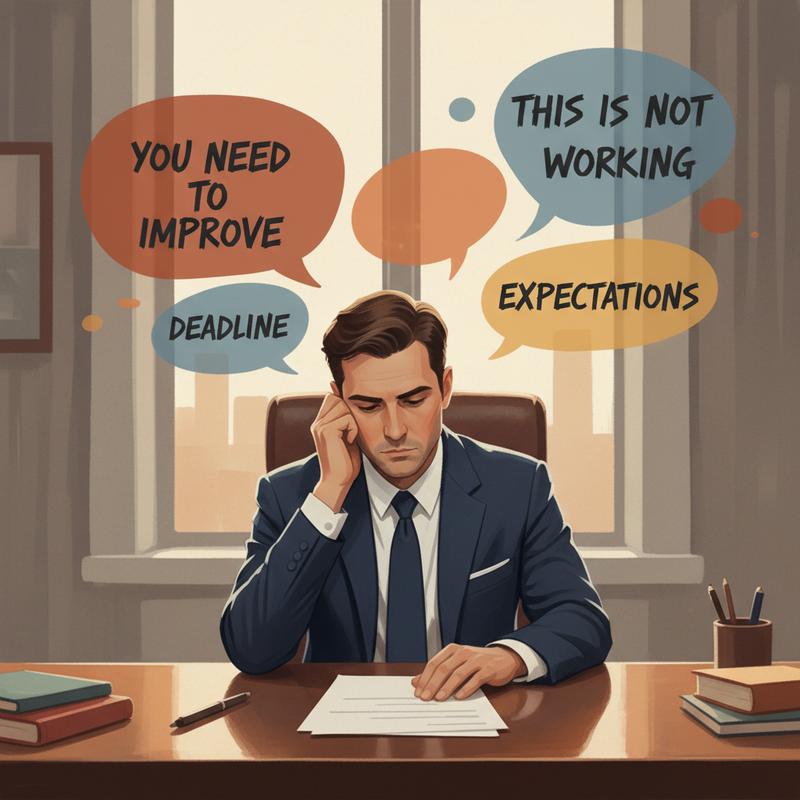
I've been this manager. More than once. And I need to talk about why empathy without courage isn't kindness. It's cowardice.
The Lie We Tell Ourselves
"I don't want to hurt their feelings."
Sounds noble, right? Sounds like you care. And you do care. The problem is you care about your own comfort more than their growth.
A 2026 Radical Candor report found nobody taught 70% of people to give or receive feedback before they became managers. Seven out of ten. We hand people a title, a team, and zero tools for the hardest part of the job: telling someone the truth.
So they default to silence. And they call it empathy.
Kim Scott nailed it when she named the most common leadership failure "ruinous empathy." You care so much about someone's feelings you withhold the direct feedback they need. You smile through a one-on-one when you should be saying, "This isn't working." You give a glowing review when you should be flagging a pattern.
The person walks away thinking everything's fine. Months later, they're blindsided by a PIP or a layoff or a reputation they never knew they had. And you're the one who let it happen.
It's not empathy. It's abandonment with a smile.
The Numbers Are Brutal
This isn't a soft problem. The research is damning.
Gallup's 2025 Workplace Report found global employee engagement dropped to 21%, matching the lowest point during the pandemic. The cost? $438 billion in lost productivity worldwide.
And here's the part every manager needs to hear: 70% of the variance in team engagement comes directly from the manager. Not the CEO. Not the culture deck on the wall. Not the mission statement nobody reads. You.
Gallup also found employees who received strengths feedback had turnover rates 14.9% lower than those who received none. Teams whose managers gave meaningful feedback showed 12.5% greater productivity. The data is clear: feedback works. Silence kills.
The Radical Candor report adds another layer. 54% of employees rarely or never receive feedback from their managers. 60% are afraid to speak up at work. And 62% say the feedback they do get is too vague to act on.
We don't have an empathy gap in leadership. We have a courage gap.
I Know Because I've Been the Coward
Early in my career, I had a team member. Brilliant engineer. Wrote elegant code. And treated junior developers like they were beneath him. I watched it happen for months. I told myself, "He'll grow out of it." I told myself, "The work is too good to risk upsetting him." I told myself all the stories cowards tell.
What I didn't tell him was the truth: his behavior was poisoning the team. Two junior developers left within six months. I lost great people because I didn't have the spine to have one uncomfortable conversation.
When I finally said something, he was shocked. Not angry. Shocked. "Why didn't you tell me sooner?" he asked.
Good question. I didn't have an answer then. I do now. I was scared. Not of his reaction. Of my own discomfort. I chose my comfort over his career development. And I'll carry my share of the blame for those two engineers who walked out the door.

Your Team Wants the Truth (Even When It Stings)
Debra Corey wrote about six barriers stopping leaders from giving feedback on Step It Up HR. Fear of damaging relationships. Lack of confidence in delivery. Time pressure. Past failed attempts. The feeling nothing changed last time. Sound familiar?
But here's what struck me: 92% of people believe constructive feedback, when delivered well, improves performance. Ninety-two percent. Your team wants the truth. They're waiting for it. They're begging for it with every disengaged shrug and quiet exit interview.
I wrote before about how if you're not willing to lose popularity, don't call yourself a leader. This is what I meant. Leadership requires you to say things people don't want to hear. Not to be cruel. To be caring enough to be honest.
The 99.5% stat from my research into bad bosses tells you everything. 99.5% of survey respondents said they've had one or more types of bad bosses. And the most common type isn't the screamer or the micromanager. It's the one who fails to act. The one who lets problems fester. The one with all the empathy in the world and none of the courage to use it.
What Courage Looks Like (It's Smaller Than You Think)
Courage doesn't mean confrontation. It doesn't mean marching into someone's office and dropping truth bombs. It means small, consistent honesty.
It means saying "I noticed something in the meeting today, and I want to talk about it" instead of waiting six months for the annual review.
It means asking your team member, "What aren't you getting from me?" and sitting with the answer, even when it stings.
It means choosing clarity over comfort. Every single time.

The Radical Candor framework puts it simply: care personally while challenging directly. Both parts matter. Drop the caring and you're a bully. Drop the challenge and you're an enabler. You need both. And the second one is where most of us fail.
I've written about authenticity as a weapon before. Honest feedback is authenticity in action. It's showing up as a real human being who respects someone enough to tell them what nobody else will.
The Feedback You Owe Someone Right Now
Think about your team for a second. Right now. Is there someone whose work has slipped and you've been "giving them space"? Someone whose attitude in meetings has shifted and you've been hoping it resolves itself? Someone who keeps making the same mistake because nobody told them it was a mistake?
Every day you stay silent, you're making a choice. You're choosing your comfort over their development. You're choosing a peaceful inbox over a growing team. You're choosing to be liked instead of choosing to lead.
Start With One Conversation
You don't need to overhaul your leadership style overnight. You need to have one honest conversation this week.
Pick the person you've been avoiding. The conversation you've been putting off. The feedback you've been softening until it's meaningless.
Then say the thing. With kindness. With directness. With the understanding it will feel terrible in the moment and transformative over time.
Your team doesn't need more empathy from you. They need you to be brave enough to tell them the truth. And brave enough to hear it back.
The cruelest thing a manager does isn't giving hard feedback. It's withholding it and pretending they care.