I'm American, so I grew up with a national holiday for gratitude. Once a year, on the fourth Thursday of November, the whole country stops, eats too much turkey, and goes round the table saying what we're thankful for.
Then we get up, watch football, and forget about it for another 364 days.
Over here in the UK, the fourth Thursday of November is a normal Thursday. Nobody stops. And I'll be honest... without the holiday to prompt me, I don't stop either.
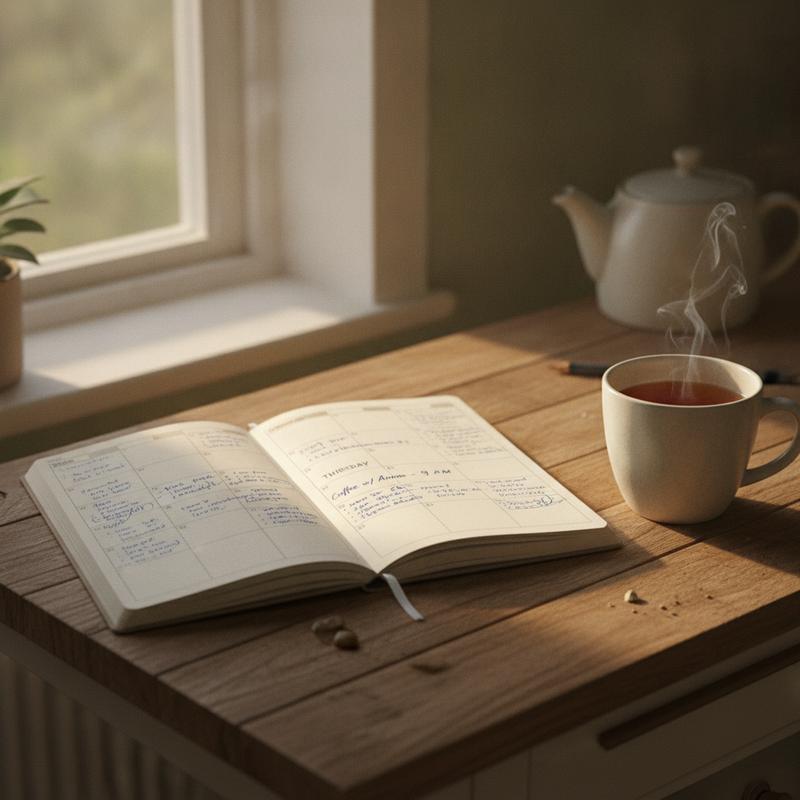
James Ferguson, the culture coach behind The Confetti Culture Playbook, has a fix for this. He talks about Thankful Thursdays and gratitude walks. His point is blunt: gratitude won't happen on its own, so put it in the diary. His list of things worth noticing is plain on purpose. A car. A job. The moment you're in.
When I first read the idea, I pushed back. Scheduled gratitude sounds fake to me. Shouldn't thankfulness show up by itself, when you feel it?
I've changed my mind. Here's why.
Your Brain Stops Seeing Good Things
Think about the first week you had your current car. You noticed it every morning. The smell of it. The way the doors shut. You parked it with care.
Now think about last Tuesday. Did you notice your car at all? Or did you notice the warning light, the scratch on the bumper, and the price of fuel?
Psychologists have a name for this. They call it the hedonic treadmill, a term Brickman and Campbell coined in 1971. The idea is simple. You get used to good things, and your happiness drifts back to where it started.
In a 1978 study, Brickman and his colleagues interviewed 22 lottery winners. Somewhere between one month and eighteen months after the win, they reported being about as happy as before. A life-changing pile of money turned into the new normal.
If a lottery win fades into the background, what chance does a reliable car have? Or a roof without leaks? Or a body without pain this morning?
Your attention runs on contrast. It flags what's new, what's broken, and what's a threat. Things which work every day stop registering. Your brain files them under "furniture."
So no, gratitude won't arrive on its own. Your own wiring stands in the way.
Writing It Down Changes How You Live
In 2003, psychologists Robert Emmons and Michael McCullough ran a set of experiments on gratitude, published in the Journal of Personality and Social Psychology.
In the first study, 192 students filled in a weekly report for ten weeks. One group wrote down up to five things they felt grateful for each week. A second group wrote down hassles. A third group wrote down neutral events.
The students in the gratitude group:
- rated their lives as a whole more favorably
- felt more optimistic about the week ahead
- reported fewer symptoms of physical illness
- spent nearly 1.5 hours more per week exercising than the hassles group
Those are big returns for five lines a week. The things the students listed weren't grand, either. One wrote "waking up this morning." Another wrote "the generosity of friends."
Nobody won the lottery. They looked at what they already had.

Don't Overdo It
Here's the part I didn't expect.
Sonja Lyubomirsky, Kennon Sheldon, and David Schkade ran a six-week study where students counted their blessings either once a week or three times a week. A control group did nothing extra.
The once-a-week group got happier. The three-times-a-week group didn't.
The researchers suggest the more frequent group got bored. Counting the same blessings over and over turned into a chore, and the meaning drained out of it. They also suggest a fix: vary the parts of your life you look at. Relationships one week. Work the next. Your health the week after.
My favorite detail from the paper is the students' lists. One wrote "a healthy body." One wrote "my mom." And one wrote "AOL instant messenger." I love the honesty of it. Gratitude doesn't need to be noble. It needs to be true.
This is why James's idea works for me. He didn't say Thankful Every Day. He said Thankful Thursday. Once a week. A fixed slot, often enough to build the habit, rare enough to stay fresh.
The Car, the Job, the Moment
Let me take James's list and run it through my own week.
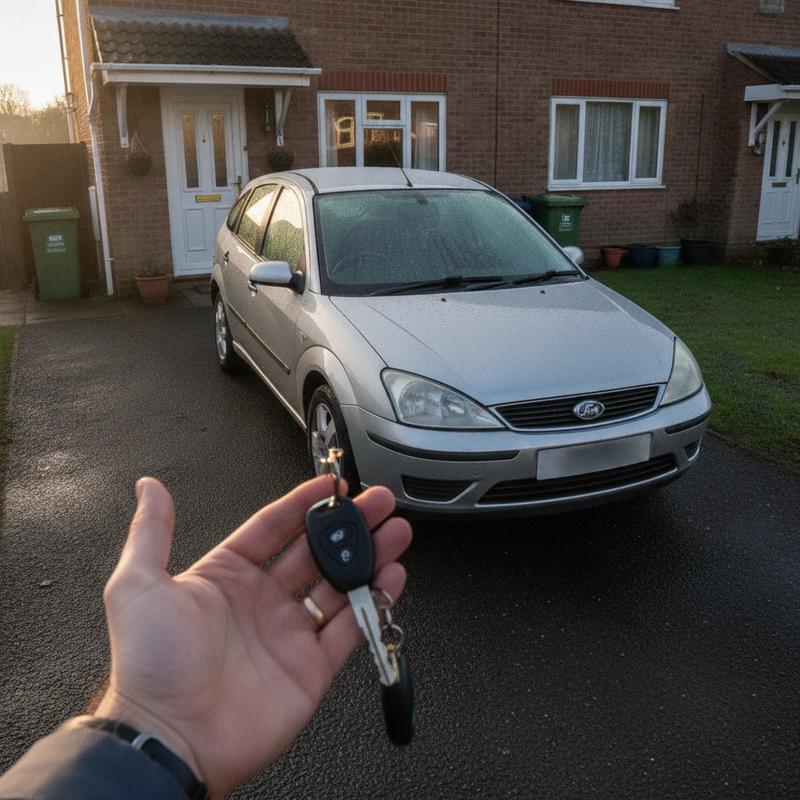
The car. Your car started first time this morning. It does this almost every day, and you never think about it. The day it doesn't start, you'll think about nothing else.
The job. I've written plenty about bad bosses. In my research, 99.5% of survey respondents said they'd had one or more types of bad boss. If you work for someone decent right now, notice it. Odds say you've had worse, and odds say you'll have worse again. Write their name down on Thursday. Better still, tell them.
The moment. This one is the hardest for me. I spend a lot of time in next week's problems. A gratitude walk drags you back into the present. Twenty minutes, no phone, no podcast. The hedgerow. The light. Your legs carrying you up the hill.
None of these things are new. Which is the whole point. They were there all along, filed under "furniture."
How to Book It In
If you want to try this, here's what I'd suggest, based on the research and on James's approach.
Pick one slot a week
Put it in your calendar like a meeting. Thursday works for me because it echoes the holiday I grew up with. Pick whatever day you'll keep. Once a week beat three times a week in the Lyubomirsky study, so don't get greedy.
Write five things, no more
The Emmons and McCullough students wrote up to five. Five fits on a sticky note. It takes two minutes. Short enough you won't skip it.
Rotate the theme
Week one, people. Week two, work. Week three, your body and your health. Week four, the stuff you own and use every day. Rotating keeps it from turning into a list you copy out of habit.
Walk it, if you like
James pairs gratitude with walking, and I like the combination. Your legs keep moving, your head clears, and you start noticing things outside your own skull. Write the list when you get home.
Tell one person
Pick one item from the list and tell the person behind it. This turns a private habit into something your team, your family, or your friends feel. A note to the colleague who covered for you. A text to the friend who checked in.
The Thursday Test
Thanksgiving comes round again next month. Americans everywhere will say what they're grateful for, the same as every year.
I don't want gratitude to be a once-a-year performance with gravy. I want it to be a weekly appointment I keep with myself.
So here's my challenge to you. Open your calendar right now. Find next Thursday. Block out fifteen minutes and title it "Five things."
Then, when Thursday comes, look at what you've stopped seeing. What's sitting in your life right now, working every day, without a single word of thanks?