Whop raised $205 million last month. Sequoia led the round. Shopify's venture arm joined in. The company now carries a $5.1 billion valuation, according to Whop's Wikipedia entry, which cites Bloomberg's report from 21 October 2026.
The idea list I keep for this blog had the headline as "$200M" and the take as "the creator economy isn't dying, it's consolidating." I've checked the numbers, and the round came in at $205 million. The consolidation part is the bit I want to argue with... or at least make more personal.
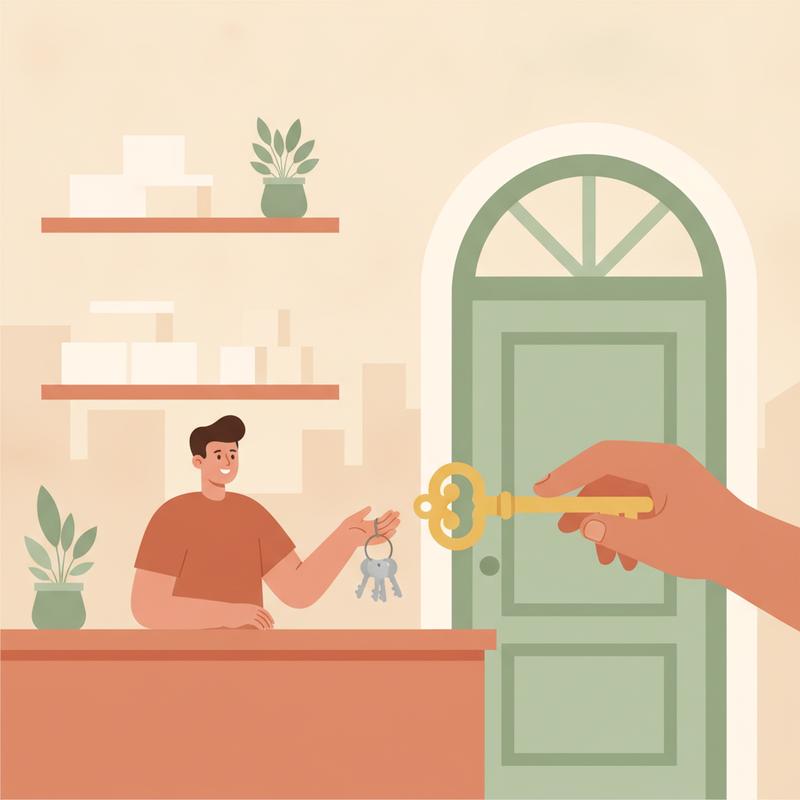
My view is simple. If you sell courses, coaching, memberships or software through a platform like Whop, you run a shop in someone else's mall. The mall got a lot more valuable. Your lease didn't change. Yet.

What Whop Does
Whop started in March 2021, founded by Steven Schwartz and Cameron Zoub in Brooklyn. Wikipedia describes it as a place to "sell products, memberships, subscriptions, and software directly to consumers."
In plain terms, you build a storefront, plug in a Discord server or a course or a piece of software, and Whop handles the checkout, the payments and the access. People sell trading signals, fitness plans, coaching calls, community memberships and digital downloads on it.
It also runs a scheme called Content Rewards, where brands and musicians pay people to cut short clips of their material and post them. Wikipedia notes music acts including Mumford & Sons used it for "clipping" campaigns earlier this year.
The Growth Curve
The money story is fast. Sacra estimates Whop's annualised revenue grew like this:
- End of 2023: $16 million
- End of 2024: $56 million
- End of 2025: $171 million
- September 2026: $400 million
The valuation followed. Wikipedia lists an $800 million valuation at the Series B in June 2024, $1.6 billion in February 2026, and $5.1 billion in October. Three times in eight months.
Sacra also reports $2.8 billion or more in transactions through the Whop Payments Network, serving 27,000 or more businesses. The CEO put the blended average fee at 6% in October 2026.
Six percent sounds cheap. Compare it to Gumroad's published pricing: 10% plus 50 cents per sale through your own links, and 30% when a buyer finds you through Gumroad's own marketplace. Whop looks like a bargain next to those numbers.
Today.
Why I Read This as a Landlord Story
Sequoia doesn't put money into a company at 12.8 times revenue (Sacra's figure) because it wants creators to keep more of their cash. It invests because it expects one platform to collect a slice of a huge pile of small transactions for a long time.
I've no quarrel with Whop for wanting to win. Building a business is hard and they've built one. My point is about the people on the other side of the checkout.
When a platform raises money at this level, the investors expect a return. The levers for a payments-and-storefront company are few:
- More sellers. Good for everyone, mostly.
- More spend per seller. Ads, upsells, add-ons. Sacra notes Whop Ads went into beta this spring.
- A bigger cut. The fee, the payout terms, the price of features you used to get for free.
The third lever is the one sellers feel. And you don't get a vote on it.
Sacra gives one small example already. After Content Rewards took off, with more than 700,000 submissions and 4 billion views in its first eight weeks, Whop added 24-hour payout delays. I'm sure there was a sound fraud reason. I'm also sure nobody asked the people waiting on their money.
Consolidation Cuts Both Ways
The idea I started with said the platform layer of creator commerce is heading for "winner takes most."
I'm not sure about this part: I wanted hard numbers on consolidation across creator platforms in 2026, and the industry pieces I found were either paywalled or blocked to me. So treat the consolidation claim as my read of one company's funding, not a measured trend.
Here's what I'm confident about. When one platform gets big enough, two things happen at once.
The good side. Buyers trust a checkout they've seen before. The payments work. The platform catches fraud. You get distribution you'd never build alone. For someone selling their first $50 course, those are real gifts.
The bad side. Your customer relationship sits on someone else's server. Your payout schedule follows someone else's risk team. Your fee follows someone else's board meeting. And the more of your peers who move onto the same platform, the harder it gets to leave, because leaving means giving up the traffic everyone else is fighting over.
I've watched this pattern in software my whole career. App stores did it. Cloud providers did it. Social networks did it to publishers who built audiences on borrowed reach and then watched the reach get switched off.
I Moved Out of a Mall Myself
This site used to live on Weebly. It worked. It looked fine. I didn't own any of it in a way I cared about.
So I moved it. The blog you're reading runs on a small server I control, with my own code and my own database. Every post sits in a file I hold a copy of. If a host doubles its price tomorrow, I move the box. Nobody holds my archive hostage.
It cost me time. Weekends of fiddling, a few broken redirects, a lot of swearing at DNS. I'd do it again without a second thought.
I'm not telling you to quit Whop and write your own checkout. Please don't. Payments, tax and fraud are hard problems and a good platform earns its fee on those alone. I'm telling you to know which parts of your business you rent and which parts you own.

What I'd Do If I Sold on Whop Today
These are the moves I'd make this week, in this order.
Own the contact list
Get an email address from every buyer, in a place you control, with their consent. A platform will let you message customers inside its walls. You want the ability to reach them outside those walls.
Know your real fee
Write down the full cost per sale. Platform fee, payment processing, payout timing, affiliate cuts. Sacra lists a default 30% recurring affiliate commission on Whop. If you run affiliates, six percent headline plus a 30% affiliate share is not six percent.
Keep a second door open
Have a page on a domain you own where people buy from you or join a waiting list. Even if 95% of sales still flow through the platform, the second door keeps you honest about your options.
Watch the terms, not the press release
Funding announcements talk about creators. Terms of service talk about you. Read them each time they change. Set a calendar reminder if you need to.
Price for a bigger cut
Build your pricing so a fee rise of a few points doesn't sink you. If your margin only works at today's rate, your margin belongs to the platform.
The Real Question
Whop's raise tells me creator commerce is worth billions, and the people funding it expect the platform to hold the value. Good for them.
Your job is different. Your job is to make sure the value you create stays with you when the terms change. And they will change. They always do.
So here's my question for you. If your platform doubled its fee tomorrow, how many of your customers would follow you somewhere else... and how would you even reach them to ask?