The fruit arrived on a Tuesday.
Big wicker bowl, apples and bananas and a few sad kiwis, parked on the table in the break room next to the kettle. A laminated card leaned against it. "We care about your wellbeing." Someone in the leadership team had signed it with a smiley face.
My team was six weeks into a delivery date nobody on the team had agreed to. Two people were doing the work of four. One of my best engineers had stopped speaking in stand-up. Not sulking. Empty. The kind of quiet where you know the person has moved from caring about the work to counting the days.
And here came the fruit.

I stood there holding an apple, and I felt something I still remember. Not gratitude. Not even anger. Embarrassment. Because I was one of the people who had let the workload get to where it was, and now I was being handed a piece of props to fix it.
Perks are a receipt, not a remedy
Here is what a fruit bowl does. It creates a record. Somebody in a budget meeting asked what we are doing about burnout, and now there is an answer with a photo attached. The wellbeing app got rolled out. The mindfulness webinar had 140 signups. The resilience workshop scored 4.2 out of 5.
Every one of those numbers is real. None of them measure the thing wearing your people down.
I have sat in the meetings where these decisions get made. They are not evil meetings. They are meetings full of tired people looking for a lever they are allowed to pull. Changing headcount takes six months and a business case. Changing a deadline means telling a customer something they do not want to hear. Buying an app subscription takes twenty minutes and a corporate card.
So the cheap lever gets pulled. Again and again. And everyone gets to feel like something happened.
The research is blunt about this
I went looking for evidence I was wrong. I did not find any.
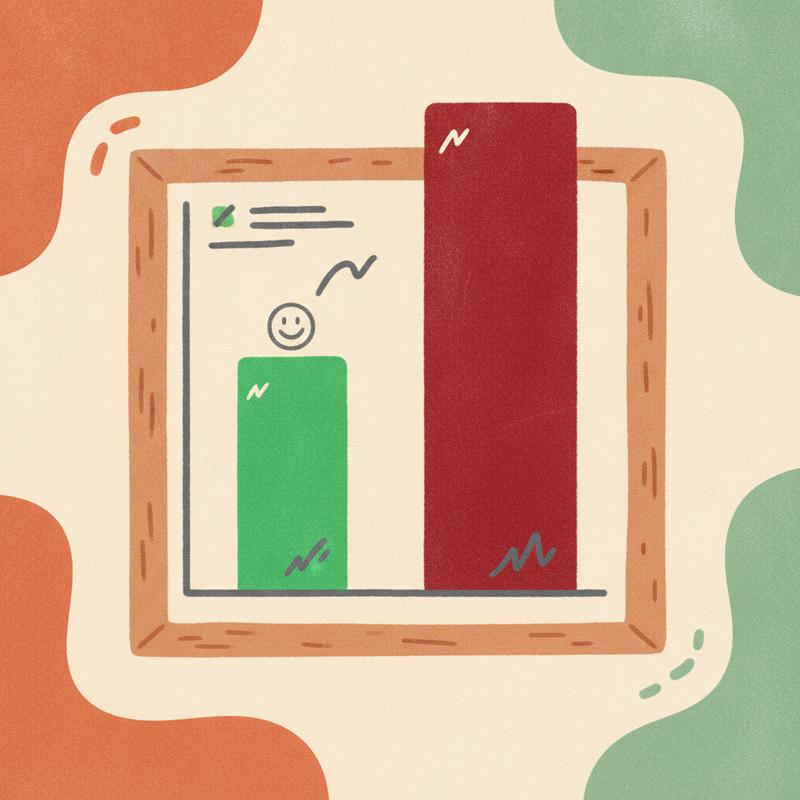
William Fleming at Oxford's Wellbeing Research Centre studied 46,336 workers across 233 UK organizations, published in the Industrial Relations Journal in 2024. He looked at the whole shelf of individual wellbeing offerings. Mindfulness. Resilience training. Stress management. Relaxation classes. Wellbeing apps.
Across multiple measures of subjective wellbeing, people who took part were no better off than the people who did not. Not slightly better. No detectable benefit.
Fleming's conclusion is the line I keep coming back to: organizations have to change the workplace and not only the worker.
Then there is the American version, and it is a proper randomised trial rather than a survey. Zirui Song and Katherine Baicker ran a workplace wellness program across 160 worksites of a large warehouse retailer, published in JAMA in 2019. 32,974 employees. Eighteen months. Registered dietitians delivering eight modules on nutrition, exercise and stress.
After eighteen months, two self-reported behaviors improved. More people said they exercised regularly. More people said they were managing their weight. Good.
And then the list of things with no significant effect: 27 other self-reported health outcomes, 10 clinical markers including cholesterol, blood pressure and body mass index, 38 measures of medical spending and use, and all 3 employment outcomes. Absenteeism. Job tenure. Job performance.
Eighteen months, thirty-three thousand people, and the needle did not move on whether work was working.
What burns people out is the work
Gallup has been consistent on the causes for years. Their research on preventing burnout names five drivers: unfair treatment at work, unmanageable workload, unclear communication from a manager, lack of manager support, and unreasonable time pressure.
Read those five again. Every single one is a management decision. Not a hydration decision. Not a breathing-exercise decision.
Two numbers from the same body of work stopped me cold. Employees who feel treated unfairly are 2.3 times more likely to hit a high level of burnout. And employees who strongly agree their manager has their back are about 70% less likely to be burned out regularly.
Seventy percent. From a manager. Not from an app.
No amount of fruit competes with a boss who covers for you when the deadline slips.
Why the perk feels so good to the person buying it
I want to be fair to the people who order the fruit, because I have been one of them.
A perk is visible. Structural change is not. Nobody walks past a reduced sprint scope and says "oh, lovely, they care." Nobody photographs a deadline you moved. The work of protecting a team is mostly invisible, mostly uncomfortable, and mostly happens in conversations where you tell someone senior to you the word "no."
There is also a quieter reason. A perk puts the burden of recovery back on the person doing the burning. Take the mindfulness course. Use the app. Book the resilience session. The message underneath, whether anyone means it or not, is you are struggling with this workload and other people are coping, so here are some tools to help you cope too.
Fleming's data says the tools do not work. And the person on the receiving end already knew.
I have watched good engineers finish a stress webinar at 4pm and go straight back to a queue nobody had touched. They are not confused about what happened. They read it exactly right. The company would rather teach them to tolerate the conditions than change the conditions.
What I did instead, and what it cost me
I stopped buying things and started cutting things.
The first move was a list. Everything the team had been asked to deliver in the quarter, on one page, with the honest cost of each item next to it. Not the optimistic cost. The real one, with the on-call load and the legacy migration and the two hiring loops nobody had counted as work.
Then I took it to my boss and drew a line through 40% of it.

Did not go well. First meeting was awful. I got asked why the team was slower than last year, which was a fair question with an ugly answer: last year we were burning through reserves we no longer had. Two people had left. One of them was the person who knew the payments code.
Second meeting went better, because I brought the same page back with the customer impact of each cut written next to it. Turned out three of the items had no customer waiting on them at all. They were somebody's old idea, still on a roadmap slide, still generating status updates.
Here is what changed over the next quarter. Nobody left. Stand-up got noisy again, in the good way. The quiet engineer started arguing with me about database indexes, and I was thrilled about it.
Here is what did not change. My reputation with two people above me. I was the guy who pushed back. There is a cost to protecting a team, and the cost lands on you, not on them. Anyone telling you the two are aligned has never had to do it.
The test I use now
When somebody proposes a wellbeing initiative, I ask one question: does this change what we ask of people, or does it help them absorb what we already ask of them?
Absorbing is the fruit bowl. Changing is the hard one.
Changing looks like fewer priorities per quarter. Recovery time after a launch, on the calendar, protected. On-call rotations with enough people in them. Managers with small enough teams to know when somebody has gone quiet. Deadlines set with the people doing the work, not for them. Permission to stop something without a post-mortem into whose fault it was.
None of it fits on a laminated card.
By all means keep the fruit. Fruit is nice. I ate the apple, and it was a decent apple. Only stop pretending the apple is the strategy.
If your people are burning out and your answer arrives in a wicker bowl, you are not treating the problem. You are documenting your response to it.
So here is the question worth sitting with. Look at the last three things your organization did for wellbeing. How many of them changed the work? And if the answer is none, who in the building has the authority to change it... and what would it cost them to try?