Look at your calendar from the last month. Find the meetings you moved, shortened, or killed.
I'll bet the one-on-ones top the list.
The client call stayed. The board prep stayed. The budget review stayed. The thirty minutes with the person who reports to you got bumped. Twice. Three times, if you're honest. You told yourself they'd understand.
They do understand. They understand exactly where they rank.
The Line From Zach Mercurio
Zach Mercurio was our guest on Corey-osity Unleashed earlier this year. Zach studies mattering... the sense of being noticed, valued, and needed by the people around you. One of his ideas has stuck in my head ever since:
If your one-on-one is the first meeting you cancel, you have a mattering problem.
Not a scheduling problem. Not a workload problem. A mattering problem.
When you cancel a one-on-one, you tell the other person where they sit in the queue. Behind the client. Behind the boss. Behind the spreadsheet. You don't say it out loud. You don't need to. The calendar says it for you.
I wrote about the cost of feeling expendable in When People Feel Replaceable, They Act Replaceable. Canceled one-on-ones are one of the quickest ways to teach someone they're replaceable, and you do it without a single harsh word.

Why the One-on-One Always Loses
Here's how the decision feels from the manager's chair. The client meeting is external. The exec meeting has someone more senior in it. The one-on-one is with someone who reports to you, someone who won't complain, someone you'll see tomorrow anyway.
So it's the "flexible" one. It's the one you control.
Steven Rogelberg, who has spent years researching meetings, put his finger on this in an interview on the How to Be Awesome at Your Job podcast. He called frequent cancellation one of the biggest mistakes managers make. The meeting exists for the employee. When something "more pressing" shows up and you cancel, in his words, "You immediately lower the importance of your employees."
Zach makes the same point from a different angle. In a conversation with Steelcase, he asks you to picture two overlapping meetings: a budget meeting and a session on psychological safety. You need to drop one. "How many of you would cancel the psychological safety meeting, honestly?"
Most of us would. We protect the meetings about money and sacrifice the meetings about people. Then we wonder why engagement scores sag.
Your Team Notices Every Time
Managers treat a canceled one-on-one as a single event. Your team member experiences it as a pattern.
The first cancellation feels fine. Things come up. The second one stings a little. By the third, they stop preparing. Why write down the thing worrying them if the meeting won't happen? By the fifth, they stop raising issues at all. They take the problem to a peer, to a recruiter, or to nobody.
And you won't hear about it, because the meeting where you'd have heard about it keeps getting canceled.
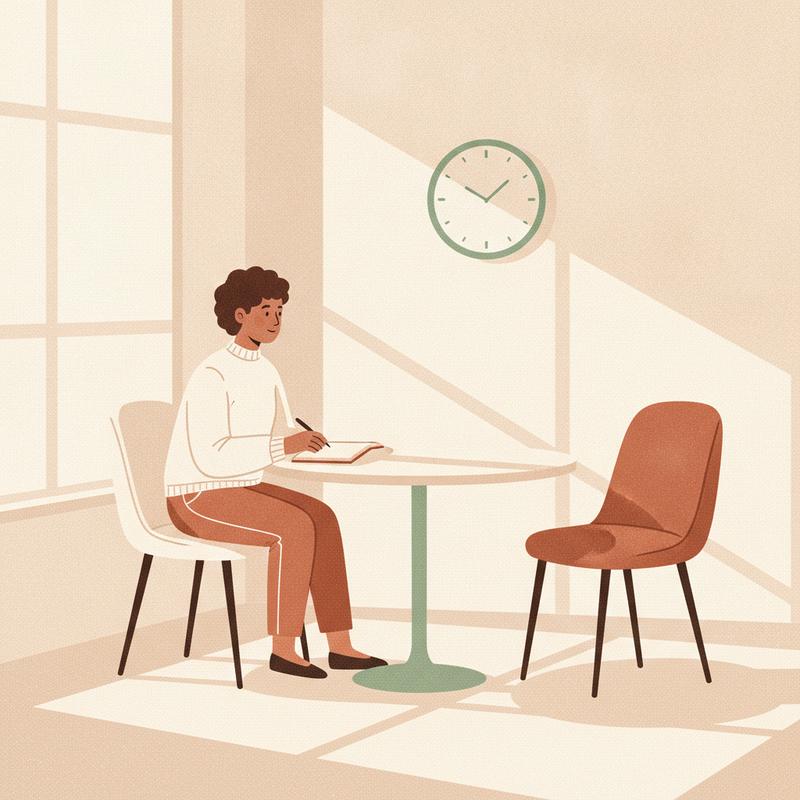
The numbers back this up. Gallup found employees whose managers hold regular meetings with them are almost three times as likely to be engaged as employees whose managers don't. Regular is the operative word. A meeting on the calendar you keep canceling isn't regular. It's a reminder of a promise you keep breaking.
Rogelberg's research adds two more uncomfortable details from the same interview:
- When his team asked employees how often they wanted a one-on-one, the typical answer was weekly. Senior people wanted them even more often than junior people.
- Around half of one-on-ones fall short in his research. And managers rate the meeting higher than the person sitting across from them.
So people want more of these meetings than they get. When they get them, half of the meetings disappoint. And the manager thinks it's all going fine. Cancel on top of all this and a weak signal turns into a clear one.
The Meeting Is Your Early Warning System
There's a selfish reason to protect the one-on-one too.
It's the one meeting where bad news reaches you early. The project slipping. The teammate struggling. The offer from a competitor. People don't drop those into a Slack channel or a standup. They save them for a quiet room with someone they trust.
Cancel the room and the news still happens. You hear about it later, from someone else, when it costs more to fix.
Familiarity Makes It Worse
Here's the part I find most uncomfortable. The longer you've worked with someone, the easier they become to cancel.
Zach talks about automatic attention. The more often you see the same person in the same place, the more your brain runs on autopilot. "The closer we are to somebody... the more we see them, the less interested we tend to get in them."
He points to research by Kenneth Savitsky, Boaz Keysar, Nicholas Epley and colleagues on the closeness-communication bias. Their studies found people communicate more egocentrically with friends than with strangers. We assume the people closest to us already understand what we mean. So we explain less and check less.
Apply it to your team. Your longest-serving, most reliable person is the one whose one-on-one you feel safest canceling. "She's fine. He knows what he's doing." Your most reliable person is the one you're most likely to lose without warning.
Move It Up, Never Back
Rogelberg's fix is simple. If you must cancel, don't push the meeting later. Pull it earlier, even if you only get ten minutes. Moving it later says "you wait for me." Moving it earlier says "you come first, even on a bad week."
The same trick turns a negative signal into a positive one. Same calendar conflict. Opposite message.
Here's what else I'd put in place:
1. Make the one-on-one the last meeting you'd cancel
Flip the default. Before you touch a one-on-one, look at every other meeting on your calendar for the same day. Which ones need you? Which ones would survive with a delegate, a recording, or a written update? Cancel those first.
2. Never cancel by calendar notification
If you have to move it, tell the person directly. A message. A quick call. Say why, and offer the new, earlier slot in the same breath. A silent calendar update says more than you intend. I made the case in Your Silence Is Feedback... people fill the gaps you leave with their own worst guesses.
3. Shrink it rather than kill it
Fifteen minutes beats zero. A walk to the coffee machine beats zero. Zach suggests changing where and how you meet to break the autopilot, so a short walk might work better than the usual room anyway.
4. Give the meeting to them
If your one-on-ones feel skippable, ask yourself why. A status update belongs in a document. Rogelberg says the direct report should do most of the talking. Ask the question I keep coming back to: "What aren't you getting from me?" A meeting built around their needs is a meeting you'll feel worse about canceling, and the guilt is the point.
5. Count your cancellations
For the next month, keep a tally. Every one-on-one you cancel or push, write it down. Then compare it against your client meetings and exec meetings. The ratio will tell you more about your priorities than any values statement on the wall.
The Calendar Is the Truth
My research found 99.5% of people have worked for one or more types of bad boss. I doubt many of those bosses set out to make anyone feel small. Most of them got busy, and the people who reported to them slid down the list one rescheduled meeting at a time.
You say your people are your priority. Fine. Open your calendar and check whether it agrees with you.
Which meeting will you protect this week?